Cat Window Beds: Choose and Set Up a Safe Perch
Choose cat window bed with practical size, comfort, safety and maintenance checks. Compare options and avoid common mistakes before buying.
Cat Window Beds: Choose and Set Up a Safe Perch
Quick answer. A cat window bed gives a cat a viewing and resting place beside glass, but the attachment system deserves more attention than the cushion. Suction-cup perches, clamp-on shelves and bracket-supported window seats have different mounting needs. A suitable product must carry the animal's weight with a substantial safety margin, fit the actual window configuration, and sit well away from any open-window fall hazard. A window screen is not a substitute for a properly secured window.
Suction cups versus supported mounts
Suction-cup perches usually attach to clean glass and can be moved without drilling, but their holding strength depends on the cup condition, glass cleanliness, temperature and installation instructions. Bracketed or sill-supported beds transfer weight differently and may suit some windows that cannot accept suction cups. Do not assume two visible suction cups carry twice the rated load; use only the complete manufacturer's published rating for the specific model.
Any mounting system can fail if installed incorrectly or used outside its design. An ordinary pillow balanced on a narrow sill is not a secure substitute.
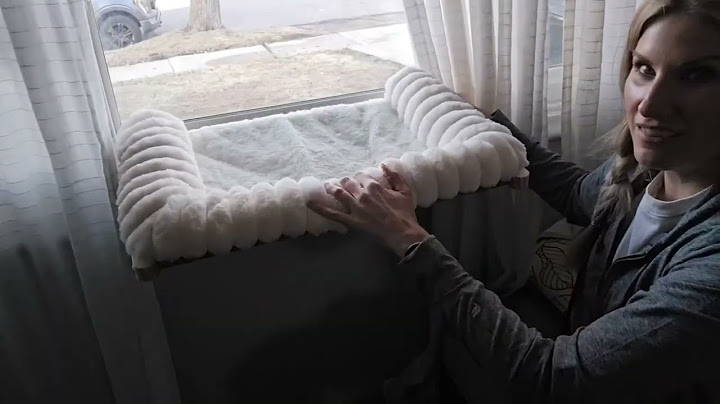
Check the cat and the mounting surface
Know the cat's current weight and choose a product rated above that figure; consider the dynamic load of landing as well as stationary lounging. Confirm whether the manufacturer permits installation on the type of glass, film, frame or painted sill you have. Cracked glass, peeling coatings, worn seals and loose trim need attention before a perch goes up. Measure the clear mounting area and the distance to blinds or curtains.
Avoid drilling into unknown materials or building structures without proper permission and technical guidance. If the instructions are vague about the load rating or attachment, do not improvise.
An installation checklist
Clean the mounting surface with the method specified for the product, allow it to dry, and inspect every suction cup or bracket for damage. Seat all attachments fully and verify that straps, clamps and clips match the diagram. Test the empty perch gently before allowing the cat near it; then observe early use while standing nearby. Recheck the unit after the first use and periodically afterward.
Keep furniture close enough for a controlled approach if needed, but never position a launching platform beside an unsafe opening. Do not use tape or improvised cords as a substitute for missing hardware.
Windows, screens and fall prevention
A cat can push against a damaged screen or try to pass through an opening, especially while watching birds. Keep the window securely closed or restrict opening with cat-appropriate, professionally installed safety measures. Ordinary insect screens may not withstand an animal's full weight. Never treat a high-rise window as safe merely because a suction perch is inside it. Arrange the perch to avoid direct access to latches and opening gaps.
If the window cannot be secured reliably, choose a freestanding bed elsewhere in the room instead of taking the risk.
Sunlight, heat and seasonal changes
Direct sun can make a window seat unusually warm, particularly through summer glass. Offer shade, water and a cooler resting surface, and allow the cat to leave freely. Temperature swings can affect some suction materials and adhesive components, so check for degraded flexibility or loosening. The safest sunny window bed is not the one that forces the cat to remain in the hottest place; it is one choice among several.
Cats that are elderly, long-haired or have health concerns may need special attention to warm indoor environments.
Maintenance and re-checks
Inspect suction cups for hardening, cracks or residue, and check brackets for movement or corrosion. Follow the stated schedule for cleaning and re-seating attachments, especially after removing curtains or washing the window. Launder the removable cushion cover if the care tag permits. Watch for a sagging fabric sling, bent support rod or screws that loosen as the cat jumps.
Replace damaged mounting parts with the manufacturer's intended replacements, not an unrelated hardware substitute. A falling perch can cause injuries even when the window is completely shut.
Choosing a spot the cat will use
Select a window with a view the cat already visits and enough room to enter or leave without climbing over loose objects. A high perch can be fun for an agile cat, but a low sill or sturdy step may be better for one with reduced jumping confidence. Avoid tangled blind cords and crowded plant displays. Keep the view enjoyable without creating constant conflict with outside animals.
If the cat ignores the perch, consider its height, fabric temperature and access before buying a second mounting system.
When a window bed is not the right product
Skip an attached perch when the window hardware is questionable, the animal exceeds the load rating, or the room exposes an unsafely open window. A broad freestanding elevated bed may offer a similar view without relying on suction cups, while a floor-level bed is easier for some aging cats. Never rely on marketing photos that omit installation details.
Safety, load support and window security come before color, cushion texture or decorative style.
At-a-glance comparison
| Mount style | Advantage | Critical check |
| Suction cups | No drilling on suitable glass | Cup condition and load rating |
| Bracket/sill support | Transfers weight to solid support | Frame compatibility |
| Freestanding by window | No glass attachment | Floor stability and entry |
| Improvised sill pillow | Low purchase effort | Not secured; avoid risky heights |
Before you decide: practical checklist
Observe the cat’s actual rest, jump or scratching habit instead of choosing by a styled photograph.
Confirm exact usable dimensions, mounting or frame stability, and the manufacturer’s stated limitations.
Check seams, loose parts, chewable components and whether all accessible surfaces can be cleaned.
Choose a location with safe access, a clear exit and enough space to inspect the product regularly.
Keep an alternative resting or scratching option available; do not force a cat to use the new item.
Frequently asked questions
Are suction-cup cat window beds safe?
Only when used on compatible surfaces within the rated load and installed and maintained exactly as directed; any mount can fail.
Can I keep the window open with a cat perch?
Do not rely on an ordinary insect screen for fall prevention. Secure the window or choose a different location.
How much weight should the perch support?
Choose a published rating comfortably above your cat's weight and follow the manufacturer's complete installation requirements.
How often should I check suction cups?
Check frequently for movement, wear and loss of adhesion, and follow the product's cleaning and reinstallation schedule.
What if my cat dislikes height?
Use a lower, stable bed or freestanding perch; do not force the cat onto an elevated surface.
Related guides
Elevated Cat Beds — Choosing a Stable Raised Resting Spot
Cat Sofa Buying Guide — Mini Couches, Sizing and Comfort
Large Cat Beds — Dimensions, Support and Easy Entry
Editorial notes and limitations
Scope of this guide: Window-attached cat beds and supported window seats; load ratings, secure mounting, safe windows, distance from fall hazards. This article intentionally does not try to become a substitute for the separate guides covering whole-room cat walls, window catios, outdoor enclosures, ordinary floor beds. Recommendations are based on product features and cat-care principles, not claimed first-hand testing, paid rankings, or an assumption that every cat has the same preferences. Check current product instructions and consult a veterinarian for persistent behavior changes, suspected pain or urgent health symptoms.