How to Evaluate Cattery Cage Layouts
Compare cattery housing layouts, resting zones, cleanability and stress reduction before choosing cages for short-term care.
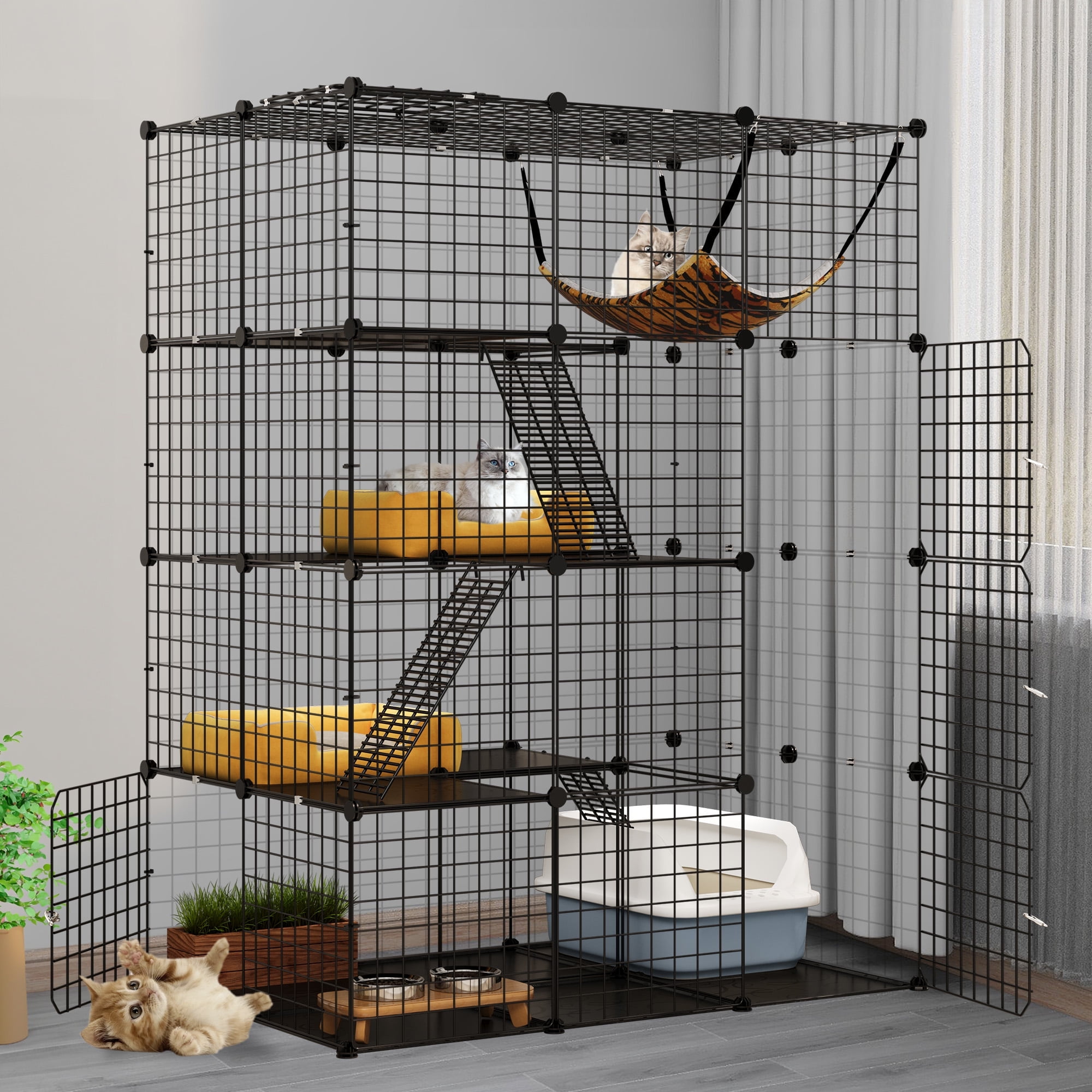
Cattery cages are housing units used in settings such as boarding, rescue, temporary intake, or managed multi-cat care. Their purpose, duration of use, and staffing needs differ from a backyard catio or a temporary cage inside a single household. Evaluating them requires attention to stress, hygiene, the ability to separate resources, and safe handling. Cage dimensions alone cannot establish that an arrangement is good for a cat.
Distinguish housing operations from exercise enclosures A catio is generally a secure place for outdoor enrichment. A cattery housing unit may be where a cat rests, eats, uses a litter area, and is monitored by staff during a stay. That additional responsibility changes the layout. A cage that looks spacious in a photograph may still fail if the litter tray sits beside food or the animal has nowhere to hide.
The setting also matters. A rescue facility managing incoming cats, a small boarding establishment, and a veterinary isolation area have different operational needs. Do not assume one standard layout is suitable for every purpose or that local licensing conditions are identical across states.
Provide zones and some choice inside each unit Where feasible, separate eating, resting, and litter functions. A raised resting platform and a hiding box let a cat avoid constant visual exposure. Use surfaces that are stable and easy for staff to inspect. Think about where the cat can retreat when a door opens and how a person will reach the animal without forcing it into a corner.
Vertical space can help, but a high shelf is not appropriate for every cat. Older, injured, or stressed animals may need a low, easily accessible resting position. A good layout can adapt to individual mobility and temperament rather than treating all occupants the same.
Design cleaning access around disease control Cleaning is not just cosmetic. Staff need to replace water and litter while minimizing stress and limiting unnecessary transfers between spaces. Surfaces, joints, and door hardware should tolerate the facility's cleaning procedures. Inspect for porous cracks that trap debris and for hardware that catches towels or gloves.
Discuss quarantine, intake, and isolation arrangements with qualified veterinary or shelter-care professionals. Disease-control procedures depend on the operation and should not be improvised from a furniture catalog. Avoid moving cleaning equipment carelessly from one unit to the next.
Observe cats, not just empty enclosures A cat that hides constantly, refuses food, or becomes increasingly reactive may be struggling with the environment. Management should include individual observation, quiet periods, predictable routines, and a process for veterinary assessment when needed. Adequate accommodation cannot be measured only by how many animals fit in a room.
Long-term housing calls for richer enrichment and more opportunities for movement than a brief medical or transport-related stay. Staffing, social compatibility, and the cat's past experience affect what is humane. Temporary confinement should have a clear reason and review schedule.
Review practical safety and compliance questions Check door security, sharp wire ends, entrapment points, ventilation, temperature control, noise, emergency evacuation, and the ability to retrieve an animal safely. Ask what training staff receive and how incidents are documented. A facility's occupancy and design may be subject to local rules, but requirements must be checked for the actual jurisdiction and type of operation.
For a one-cat household situation, the guide to large cat cages addresses different needs and should not be mistaken for a professional housing specification. Before outfitting a cattery, involve the people responsible for animal welfare, cleaning, veterinary oversight, and day-to-day care. The best design is the one staff can use consistently and cats can tolerate safely.