When a Large Cat Cage Makes Sense—and When It Does Not
Understand what to check in a large cat cage, from usable interior space and shelf access to temporary housing and welfare.
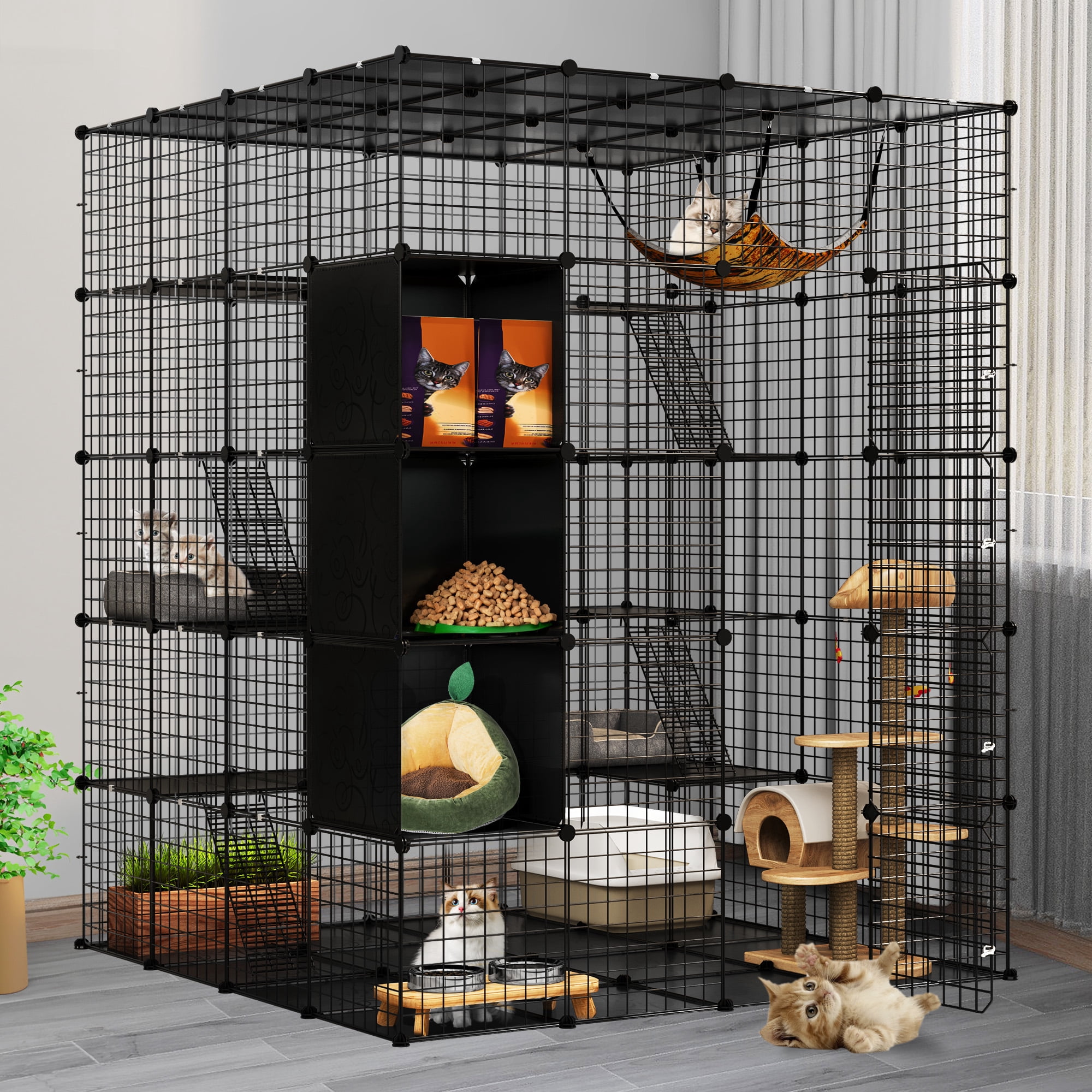
A large cat cage can be useful for a specific, temporary situation, such as a carefully managed recovery period recommended by a veterinarian, an introduction plan under supervision, or emergency containment while work is done in the home. It is not an adequate substitute for ordinary living space merely because it is sold as 'large.' Choose and set up a cage for the task at hand, with a clear plan for supervision and an end to confinement.
Decide whether a cage is appropriate at all First identify why the cat needs to be contained. For a recovering cat, follow the treating veterinarian's directions about movement restrictions; inappropriate jumping or climbing space can interfere with recovery. For a stressful household event, a quiet closed room may be better than a cage. For introductions, behavior and welfare considerations matter more than the product dimensions.
Avoid treating a cage as a solution to unwanted behavior without investigating the cause. A cat showing persistent distress, illness, or aggression may need veterinary or qualified behavior support. Temporary containment should be purposeful, not punitive.
Measure the usable space, not the product name Exterior width and height can be misleading after shelves, doors, and trays are installed. Check whether the cat can turn, stretch, rest away from litter, and access water without collisions. Larger cats and cats with limited mobility have different needs. Door positions must allow safe handling and easy retrieval.
Vertical shelves may enrich a healthy cat's short-term space but are not appropriate for animals whose movement is restricted. Choose features that match the actual purpose and individual veterinarian guidance. Do not assume a tall cage is always a better cage.
Set up distinct, stable essentials Use a secure water container that is easy to replenish and unlikely to tip. Provide a comfortable resting spot, an appropriately located litter tray, and a quiet place to retreat from household activity. Keep essential resources away from sharp edges or sagging shelves. If the cat needs to rest after surgery, prioritize safe, low access instead of elaborate climbing platforms.
Where multiple animals live in the home, place the cage where the contained cat will not be harassed through the bars. Avoid hot windows, cold drafts, cords, and loud appliances. A comfortable environment includes low stress as well as usable floor space.
Inspect hinges, bars, and cleaning surfaces Check the wire spacing for head or paw entrapment risk, especially for smaller cats. Look for loose welds, bent panels, sharp ends, and doors that can swing open unexpectedly. Test latches before use. A strong frame still needs a secure base and a stable shelf arrangement.
Choose surfaces you can clean without exposing the cat to harsh residues or strong fumes. Monitor the cage for damaged plastic, detached coatings, and snag points. Never assume that a wire cage intended for another species is automatically suitable for cats.
Set a review date and watch behavior During use, track eating, drinking, elimination, and comfort. If a cat appears distressed, is not eating, has breathing difficulty, or behaves differently from usual, contact an appropriate veterinary professional. Reconsider the arrangement whenever the original containment need changes. Healthy cats still need space for play, exploration, and social choice outside temporary confinement.
If your question concerns boarding or rescue facilities with multiple housing units, read how cattery cage layouts differ. These are operationally separate problems. A household cage should be selected with the particular animal's needs and a defined, time-limited purpose in mind.