How to Celebrate Native American Heritage Month Respectfully
Discover respectful Native American Heritage Month ideas for classrooms, families, and workplaces, plus ways to support Native creators year-round.
How to Celebrate Native American Heritage Month Respectfully
The best way to celebrate Native American Heritage Month is to learn directly from Native people, support Native-led organizations and artists, and make room for accurate conversations about contemporary tribal nations. A thoughtful event does not need costumes or a recreated ceremony. It needs clear attribution, suitable resources, and a practical opportunity for participants to keep learning after November.
Choose an activity that centers Native voices
Begin by asking what your group actually wants to understand: a local tribal nation's history, contemporary Native literature, food sovereignty, government-to-government relations, or a Native artist's work. Then choose a book, talk, exhibition, film, or public program developed by Native creators. The tribe or creator should be named in the introduction, not treated as an anonymous representative of all Indigenous peoples.
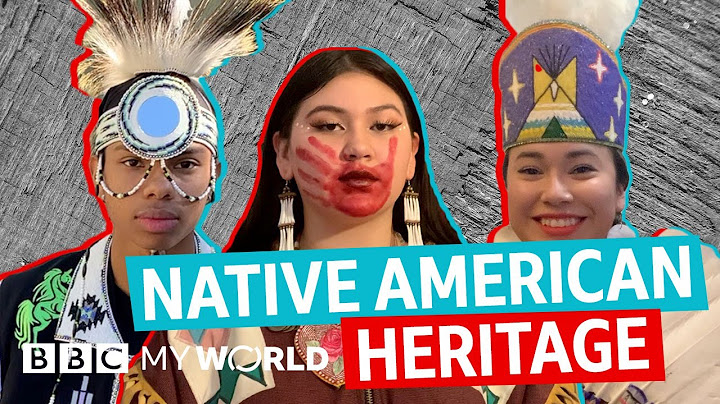
When inviting a speaker, clarify the audience, honorarium, accessibility needs, time commitment, and whether the talk will be recorded. Do not assume an individual can explain the beliefs or customs of every tribal nation.
Ideas for schools and classrooms
A strong school plan can begin with a map of the school's local region and an age-appropriate discussion of the nations connected to it. Students can compare the information on an official tribal website with a generic textbook description, identify what each source emphasizes, and write questions about modern governance, language, or community projects. Follow a Native-authored reading selection with a short discussion of the author's specific nation and literary approach.
Teachers can also ask students to examine how museum labels or old maps change across time. Avoid asking children to make generic feather headdresses, invent sacred names, or role-play spiritual ceremonies. Those activities collapse distinct traditions into stereotypes.
Workplace and community program ideas
A workplace can host a Native writer's book discussion, screen a properly licensed film followed by a guided conversation, buy directly from Native-owned businesses, or arrange a museum visit. A library might build a display that includes children's books, contemporary novels, poetry, journalism, and nonfiction by Native authors rather than focusing only on precolonial history.
For a community event, ensure the title accurately names the featured artist or community. Budget for speakers and vendors fairly. Make the experience accessible with captions or interpretation when possible, and share follow-up educational resources without assuming attendees will learn everything from one afternoon.
Attend Native-led public events responsibly
Check tribal government calendars, Native cultural centers, public museum listings, and university Indigenous studies programs for events open to visitors. If an event is described as private, ceremonial, invitation-only, or intended for community members, respect that boundary. For public events, read the organizer's photography, recording, and audience-etiquette instructions.
Even a public event may include elements that should not be filmed or shared online. Treat the host's guidance as more important than a social media photo opportunity.
Support Native creators beyond November
Buy books from Native authors, commission art fairly, credit sources by name, and consider recurring support for Native-run education or language programs. Verify claims that goods are Native-made when buying art or jewelry; avoid using generic patterns as a stand-in for a specific nation's work. Many creators provide biographies and information about their practice, which makes a purchase more meaningful.
Create a year-round learning list and revisit it quarterly. The point of November can be to begin a lasting relationship with reliable sources, not to finish cultural learning in thirty days.
A simple planning checklist
Decide on one educational goal, select a Native-led source, confirm permission and event details, pay contributors, review accessibility, use accurate nation names, and plan a short follow-up. Before promoting the program, ask whether any descriptions imply that Native peoples exist only in the past. Replace those descriptions with language that recognizes living nations and present-day individuals.
Frequently asked questions
What can students do for Native American Heritage Month?
Read Native-authored books, explore a local tribe’s public education materials, and study an accurately labeled map or primary source.
Can a company celebrate without hosting a large event?
Yes. A paid speaker session, book discussion, fair procurement practice, or employee learning program can be appropriate.
Are costumes or invented ceremonies appropriate?
No. Generic costumes and recreated sacred practices risk stereotyping and misrepresenting specific traditions.
How can celebrations continue after November?
Maintain a reading list, support Native-led work year-round, and revisit the program’s learning goals at a later date.
Related reading
Explore these focused guides for the next step in your research:
Native American Heritage Month 2026: Meaning, History and Facts
Native American Heritage Month Events 2026: How to Find Them