Native American Heritage Month 2026: Meaning, History and Facts
When is Native American Heritage Month 2026? Explore November dates, its history, meaning, and verified facts about Native communities in the United States.
Native American Heritage Month 2026: Meaning, History and Facts
Native American Heritage Month is observed every November in the United States. The month recognizes the histories, achievements, cultures, and present-day contributions of American Indian and Alaska Native peoples. In 2026, the observance runs from November 1 through November 30. The most useful way to approach it is not as a single story of the distant past, but as an opportunity to learn from living Native nations and communities.
Why November is Native American Heritage Month
The national observance grew from decades of advocacy for recognition of American Indian people and their histories. In 1990, Congress authorized and requested a presidential proclamation designating November as National American Indian Heritage Month. Subsequent presidents have issued observances recognizing November, and cultural institutions have developed educational programs around the month. The wording used in proclamations and programs varies, but the central purpose is public learning, recognition, and appreciation.
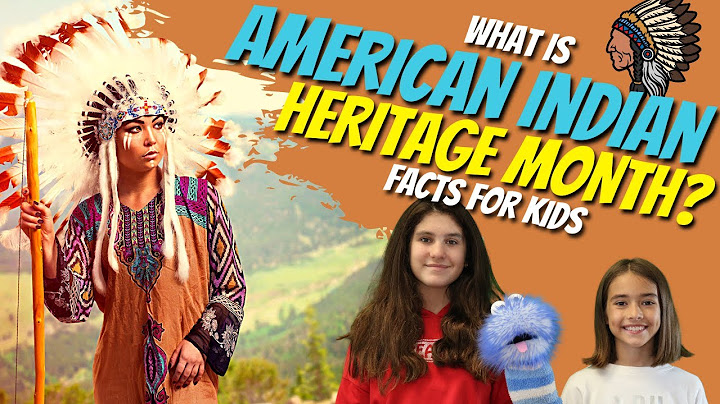
Many Native people describe their communities through their own nation names, rather than relying only on an umbrella label. Any classroom, workplace, or public program should begin by learning which peoples are being discussed and how those nations identify themselves.
Important facts for November 2026
November is the month-long observance; Native American Heritage Day is a separate observance on the Friday after Thanksgiving. In 2026 that date falls on November 27. Neither occasion is a substitute for learning about Native communities throughout the year. The Bureau of Indian Affairs listed 575 federally recognized tribal entities as of January 30, 2026. That is a count of governments with federal recognition, not a count of all Indigenous peoples, cultures, or tribal communities in the United States.
According to the 2020 Census, approximately 9.7 million people reported American Indian or Alaska Native identity alone or in combination with another race. Population totals change when a narrower racial category or a different survey year is used. A sound fact sheet labels both the year and the definition rather than repeating an unqualified headline number.
What is being recognized?
American Indian and Alaska Native nations have distinct languages, governments, historical experiences, art forms, and traditions. The month can highlight treaty relationships, tribal sovereignty, language revitalization, contemporary literature, community leadership, and Indigenous stewardship of land and water. It also creates room to study injustices such as forced removal and boarding school policies with appropriate care.
Native American history did not end when a textbook chapter reaches the nineteenth century. Tribal colleges, museums, artists, journalists, elected officials, scientists, families, and language teachers are part of the present-day story. Readers benefit most from specific examples with names and accurate attribution.
How to use reliable educational materials
Seek information published by tribal governments and Native-led cultural institutions first. Federal resources from the Library of Congress, Smithsonian National Museum of the American Indian, National Archives, Census Bureau, and Bureau of Indian Affairs can provide historical records and statistical context. When a historical source uses obsolete or offensive language, explain that terminology rather than treating it as a present-day description.
For November programming, check the organizer's own current-year event details before publishing a time, ticket requirement, or live-stream link. A museum page about a prior year's program does not establish a 2026 schedule.
Respectful language and common misconceptions
There is no single Native American culture, religion, traditional costume, or universal recipe. Tribal citizenship is also not interchangeable with a person's answer to a Census race question. Some people prefer American Indian, others Native American, Indigenous, or their specific nation's name; follow the terminology used by the community being described.
Avoid activities built around imagined rituals, generic headdresses, or claims that all Native communities celebrate the same way. A more accurate educational activity investigates a particular nation's published history or listens to a Native creator explaining their own work.
Frequently asked questions
When is Native American Heritage Month 2026?
It is observed throughout November 2026, from November 1 to November 30.
Was Native American Heritage Month created in 1990?
The 1990 federal law authorized a November national observance, building on earlier advocacy and recognition efforts.
Is Native American Heritage Day the same as the month?
No. Heritage Day falls on the Friday after Thanksgiving; the month-long observance covers all of November.
What is the best way to learn during the month?
Start with a tribal nation or Native-led institution, consult its current materials, and continue learning after November ends.
Related reading
Explore these focused guides for the next step in your research:
How to Celebrate Native American Heritage Month Respectfully
Native American Heritage Month Events 2026: How to Find Them