Cetiosaurus: Early Sauropod Fossils and Jurassic England
Jurassic British sauropod taxonomy, fossil record and reconstructions.
Cetiosaurus: Early Sauropod Fossils and Jurassic England
Cetiosaurus was an early named sauropod dinosaur known from Middle Jurassic Britain. The account below separates observations from fossil material and reasonable but uncertain reconstructions.
Identification and evolutionary relationships
Its large-bodied herbivorous lifestyle predates some famous later giants.
Paleontologists identify fossil animals through diagnostic bones, not imagined colors or behaviors. Comparisons with related groups help reconstruct missing anatomy, but a fragmentary specimen sets real limits.
Geological age and fossil context
British Jurassic strata preserve its fossils, which were initially difficult to interpret because comparative dinosaurs were poorly known.
A fossil formation supplies context about time and deposition, but it does not record every part of an ancient animal’s range.
Diet and ecological setting
Its long neck and pillar-like limbs supported feeding on vegetation. Specific plant preferences and daily feeding heights are estimates rather than direct observations.
Feeding claims are usually inferences from form and related evidence; detailed meal-by-meal statements are rarely justified.
Anatomy, movement and life history
Cetiosaurus was a quadruped with massive skeletal support. Historical reconstructions changed as paleontologists learned more about sauropod anatomy.
Behavior is harder to reconstruct than bone structure. Where direct fossil evidence is scarce, cautious language is essential.
Evidence versus reconstruction
Its large-bodied herbivorous lifestyle predates some famous later giants.
Taxonomy changes when new fossils or analyses appear. State which ideas are supported by physical specimens and which remain debated, especially for size, social behavior and reconstruction art.
Cetiosaurus was among the first sauropods named in scientific history, and early interpretations suffered from a lack of comparative material. Its historical name is more certain than some obsolete descriptions of its lifestyle.
What future discoveries could change
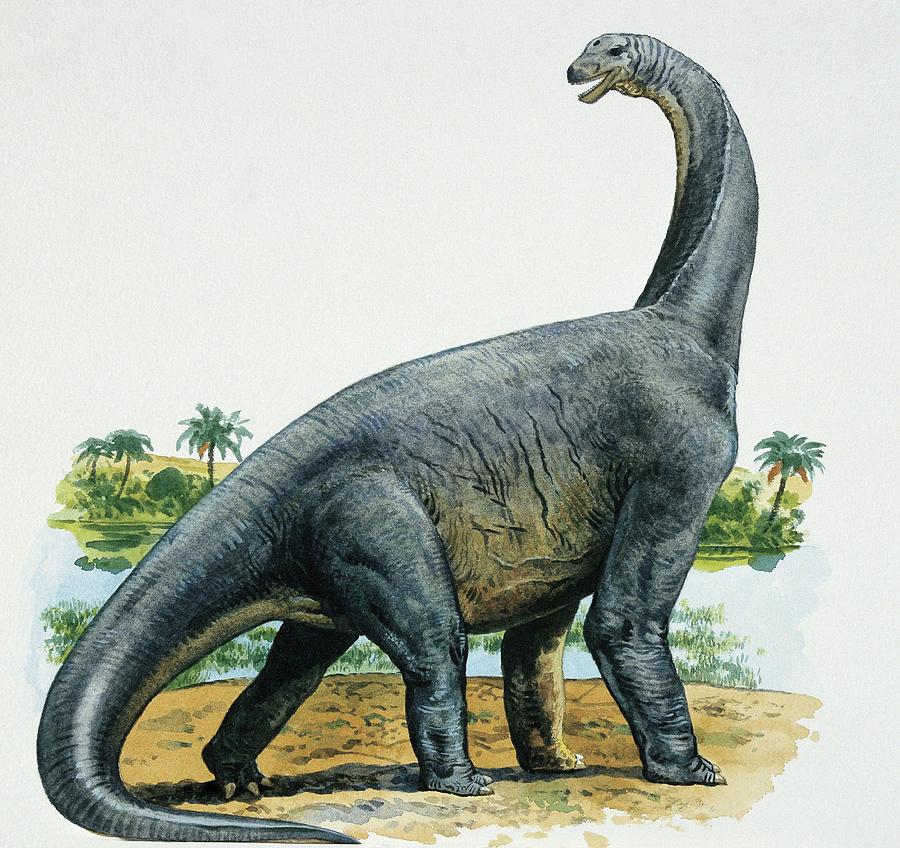
An identification rests on preserved anatomy and comparison, not the artist’s chosen pose or skin color. An illustration communicates one hypothesis. It should not be presented as a direct photograph of the past.
Treat fossil reconstructions as scientific models that can improve when new specimens are found.
Quick takeaways
British Jurassic strata preserve its fossils, which were initially difficult to interpret because comparative dinosaurs were poorly known.
Its long neck and pillar-like limbs supported feeding on vegetation.
Early fossil descriptions sometimes confused sauropods with marine animals.
Frequently asked questions
What was Cetiosaurus?
Cetiosaurus was an early named sauropod dinosaur known from Middle Jurassic Britain.
Where and when do its fossils place it?
British Jurassic strata preserve its fossils, which were initially difficult to interpret because comparative dinosaurs were poorly known.
What can scientists say about its diet?
Its long neck and pillar-like limbs supported feeding on vegetation.
