Cherokee Homes: Historic Dwellings and Design
Explore how Cherokee homes differed across seasons and eras, including construction materials and the changes caused by forced removal and settlement.
Cherokee Homes: Historic Dwellings and Design
Cherokee homes have changed over centuries as materials, communities, climate needs, and historical circumstances changed. In the southeastern homelands, historical Cherokee dwellings included forms built with wooden frameworks and earthen plaster. By the nineteenth century, many families also lived in log or other houses familiar across the region. It is inaccurate to describe tipis as the standard Cherokee home.
Homes in the southeastern homelands
Historical sources describe Cherokee structures made with wood, woven supports, and clay-based plaster, often discussed as wattle-and-daub construction. Buildings could respond to seasonal changes and local materials. Archaeological and written descriptions should be tied to specific places and time periods; not every Cherokee village had one identical design.
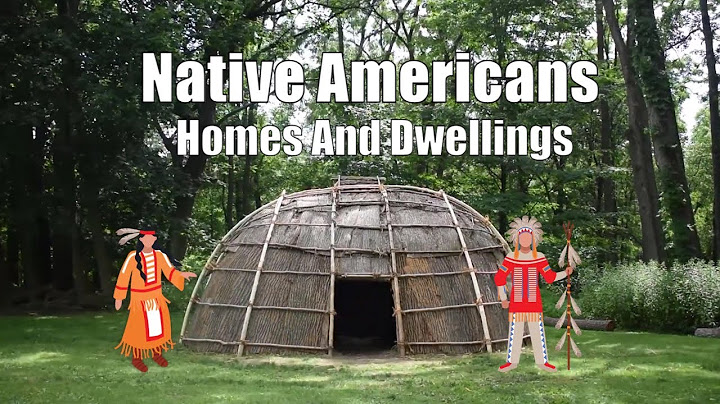
A home was part of a living community with food preparation, family activity, storage, and social space. General illustrations can introduce building techniques, but they should not be used as exact blueprints for sacred or private structures.
Seasonal structures and climate
Some accounts describe warmer-weather and colder-weather housing arrangements in the historic Southeast, with construction shaped by the need for ventilation or warmth. Accounts vary by period and region, and modern summaries should avoid presenting one model as the only Cherokee arrangement across centuries.
When preparing a school model, distinguish a simplified educational illustration from an authenticated reconstruction. Use a museum or tribal cultural resource to check materials and terminology before labeling the building.
Log cabins and later changes
Cherokee Nation's public cultural information explains that houses changed over time, including wattle-and-daub forms before the 1800s and later log cabins, followed by brick and board homes. These transitions reflect changing economies, access to materials, and nineteenth-century disruption. They do not mean that earlier practices vanished everywhere at the same moment.
The effects of forced removal and settlement policies also shaped living arrangements. A house type should therefore be situated in a historical timeline rather than used to define the community as a whole.
Did Cherokee people live in tipis?
Cherokee Nation explicitly answers this common question in the negative. Tipis are associated with some Plains peoples and are not a universal Native American dwelling. Class projects that give every Indigenous nation the same conical tent perpetuate an inaccurate pan-tribal image.
A more accurate exercise compares two documented regional structures and asks how their forms related to climate, mobility, settlement patterns, and available materials.
Cherokee communities and homes today
Cherokee families today live in a range of modern housing, both within their nations' territories and elsewhere. Tribal governments address housing policy, services, and development as contemporary matters. A historical architecture guide should not suggest that living Cherokee people still occupy only reconstructed historic buildings.
Use the Cherokee people overview for a broader explanation of the three federally recognized Cherokee governments and their distinct histories.
Frequently asked questions
What were historical Cherokee homes made from?
Some documented structures used wood frameworks and clay-based plaster, while later homes included log, board, and brick construction.
Did Cherokee people traditionally live in tipis?
No. Cherokee Nation’s public cultural guidance rejects that common stereotype.
Were Cherokee homes the same in every century?
No. Building forms changed by era, location, household needs, and historical circumstances.
What kind of homes do Cherokee people live in today?
Modern homes of many kinds, just as households elsewhere do.
Related reading
Explore these focused guides for the next step in your research: