Christmas Activities for Families and Groups
Find Christmas activities for mixed-age groups, from low-prep party games to simple crafts, with quick picks by time, budget, and setting.
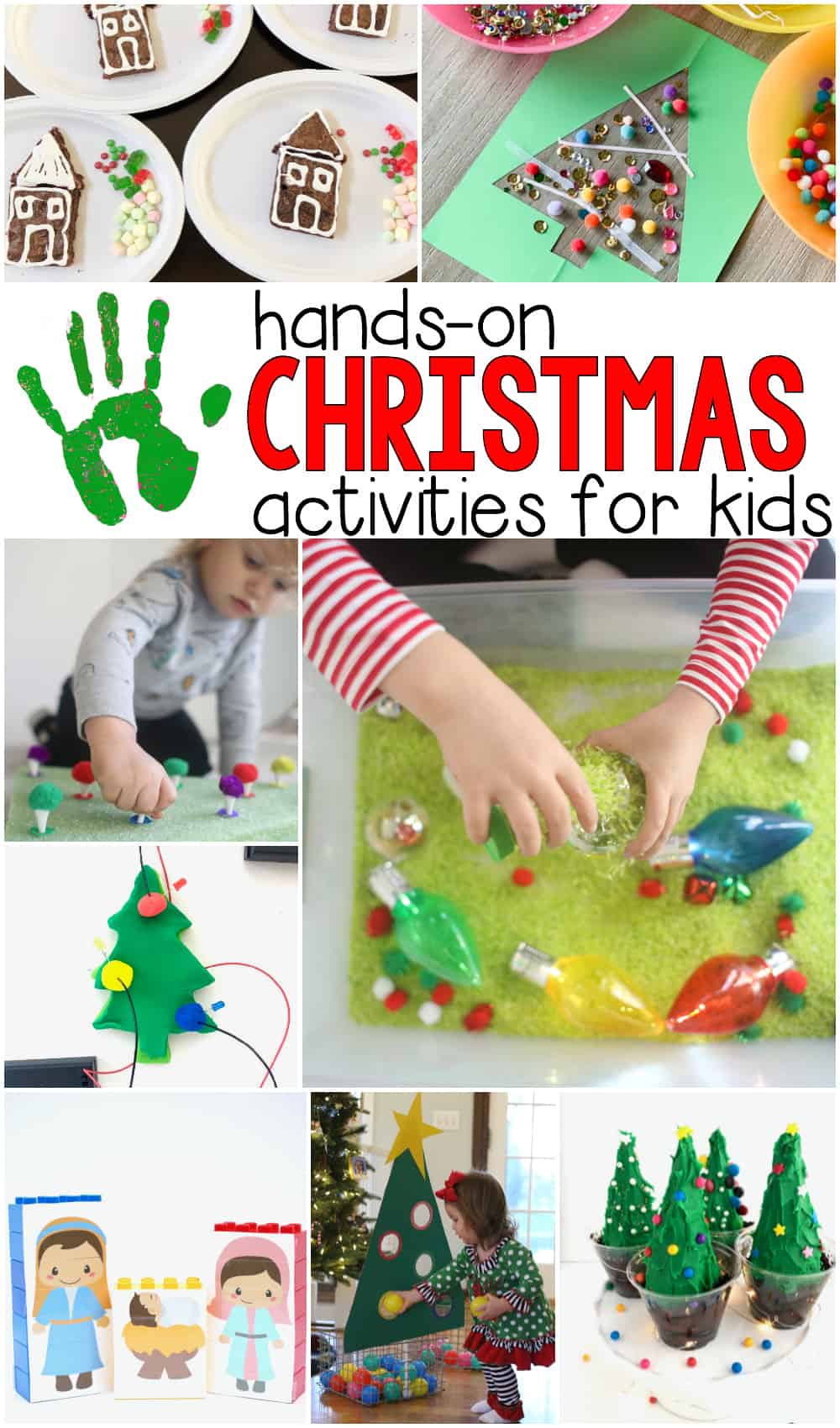
Christmas Activities for Families and Groups
Christmas activities work best when they fit the people in the room, not when they require everyone to make the same craft or play the same game. For a mixed-age gathering, start with a five-minute activity that needs almost no setup. Add a creative project if guests want to linger, and keep an easy quiet option for anyone who needs a break. The ideas below are organized by time, space, cost, and energy so you can build a December get-together without turning it into a complicated production.
Find an activity that fits your group
| Activity | Best fit | Approx. time | Materials and prep |
| Two-word Christmas story | Friends and relatives of mixed ages | 5–10 minutes | None; one person starts |
| Holiday object guessing | Small or large groups | 10 minutes | 5–8 ordinary household objects in a bag |
| Tabletop holiday charades | Seated groups | 10–20 minutes | Paper slips with familiar actions |
| Community paper village | People who like making things | 25–40 minutes | Paper, markers, tape and cardboard |
| Family memory map | Talkative or intergenerational groups | 15–25 minutes | Large sheet of paper and pens |
| Neighborhood decoration walk | Mobile outdoor group | 15–30 minutes | Weather-ready clothing and a safe route |
| Holiday kindness cards | Guests seeking a quiet option | 15–25 minutes | Blank paper and pens |
These are planning estimates, not fixed durations. Choose the simplest activity that makes it easy for someone to join late or step away early.
Match the plan to the people, not the decorations
A group of adults and teens may enjoy an improvised guessing game. A room with grandparents, little children, and visiting relatives needs more flexibility. Offer two simultaneous options: a seated game near the table and a low-pressure creative station. Neither should depend on everybody hearing instructions at once.
Before choosing anything messy, check who will clear the space afterward. Activities involving food require attention to allergies and safe handling; craft stations are usually easier if there are no special dietary needs. If children under three are present, keep small objects and loose decorations completely out of reach and choose age-appropriate alternatives.
If guests have different holiday traditions, invite each person to share a winter memory, a favorite meal, or a meaningful family ritual instead of treating a single Christmas custom as universal. Participation can always be optional.
Three lively games you can start in minutes
The two-word holiday story
Have someone begin with a simple line, such as “The doorbell rang.” Go around the room adding only two words per person. The final story may involve a missing dessert, a confused snowman, or a very unexpected visitor. The aim is a playful shared story, not accuracy or speed. For guests who prefer listening, let them choose a character name or suggest the ending without taking a turn.
For larger gatherings, split into groups of four to six and let each group tell its version aloud. The only prep is agreeing on how long to play; about five minutes per round is usually enough.
Guess the ordinary holiday object
Place familiar, safe objects in a bag—such as a clean oven mitt, a gift tag, a wide ribbon roll, or a spatula. One volunteer describes an object without saying its name while the group guesses. Keep everything on the table rather than passing mystery items to young children. If guests are far apart, skip the bag and choose a visible object in the room.
Make this cooperative rather than competitive: the group wins if everyone helps guess the whole set before the timer ends. This is useful for families who want conversation without loud team rivalry.
Tabletop charades without running around
Write short actions on slips of paper: wrapping a giant box, carrying too many grocery bags, untangling lights, or waiting for cookies to cool. A player acts while remaining seated or standing in place. Anyone who cannot or does not want to act can read a clue instead. Avoid scoring if it makes some guests uncomfortable.
A round of six to eight clues works well between courses. Keep the cards for the next gathering rather than making new ones each year.
Creative traditions that invite everyone to contribute
Build a shared paper neighborhood
Give each person a blank paper house shape or a small piece of cardboard. Guests draw windows, a doorway, and one detail that represents their winter season. Tape finished houses to a larger sheet to create a neighborhood. No one needs to draw well, and people can contribute one feature rather than completing an entire house. Set out washable markers for children old enough to use them safely and keep scissors with a responsible adult.
This project works because it produces one collective piece instead of several nearly identical ornaments. It also gives quieter guests a natural role without putting them on the spot.
Make a memory map instead of another decoration
Draw three circles on poster paper: “Favorite tradition,” “Most surprising holiday,” and “Something to try next year.” Invite each guest to write or dictate one short memory. A host can read selected answers with permission. Keep personal or difficult stories private; nobody has to share. Roll up the map and bring it out next December to see how family traditions have changed.
Write small notes of appreciation
Put out blank folded cards and pens. Ask guests to write a specific thank-you to someone who helped them this year: a relative, neighbor, teacher, or friend. Those who prefer drawing can create a card without words. This works especially well as a quiet alternative after a noisy meal. If cards will be mailed, collect them in a single labeled envelope so they do not get forgotten.
Indoor, outdoor, and rainy-day options
An outdoor walk to admire nearby decorations can be a refreshing break, but only if sidewalks, lighting, temperature, and accessibility make it comfortable. Pick a short route with a clear turnaround point, and never assume a park, store, or attraction is open on a holiday. A neighborhood walk needs no ticket; a commercial light display requires checking its official schedule and admission rules.
For a bad-weather backup, do a “holiday detail hunt” indoors. Ask guests to spot something red, something handmade, something used every winter, and something that reminds them of a person. Adults can answer with stories; children who prefer not to speak can point. The game works without purchasing a scavenger-hunt printable.
A smaller group can sort favorite recipes, compare family photos with permission, or invent a new nickname for a shared annual dinner. The point is connection, not filling every minute.
Put together a low-stress 90-minute gathering
Start with ten minutes of arrivals and an object-guessing round. Allow 25 minutes for the shared paper neighborhood, including setup. After a short food or conversation break, run ten minutes of seated charades. Leave the final 20–30 minutes open for cards, the memory map, or simply talking. If guests are happy chatting, do not interrupt to complete the schedule.
For a very short gathering, choose one game and a snack. For a longer afternoon, rotate activities only when people ask for a change. Setting a clear ending helps hosts avoid the tiring “one more activity” trap.
Find the more specific guide you need
Planning mainly for elementary-age children? See Christmas activities for kids for instructions, age ranges, and mess levels. If you manage a preschool group or childcare room, Christmas activities for daycare and nursery groups focuses on supervision, transitions, and classroom routines. For a schedule specifically on December 25, use the guide to things to do on Christmas Day; it separates morning, mealtime, afternoon, and evening plans.
Frequently asked questions
What Christmas activity works for a mixed-age group?
Try a short shared-story game, seated charades, or a group paper project. Each allows different levels of participation and does not require every guest to have the same skills or energy.
What can we do without buying supplies?
Use objects you already own for a guessing game, take a safe neighborhood walk, or exchange favorite holiday stories. A pen and scrap paper are enough for a memory map.
How many activities should I plan for a family party?
One opening game and one optional backup are usually more useful than a packed agenda. People often value relaxed conversation as much as structured entertainment.
What if some guests do not celebrate Christmas?
Make participation voluntary and frame shared activities around friendship, winter, family stories, or appreciation. Avoid asking anyone to explain or defend personal beliefs.