Christmas Activities for Kids, Organized by Age
Choose Christmas activities for kids by age, prep time, and mess level, with simple games and crafts parents can set up at home.
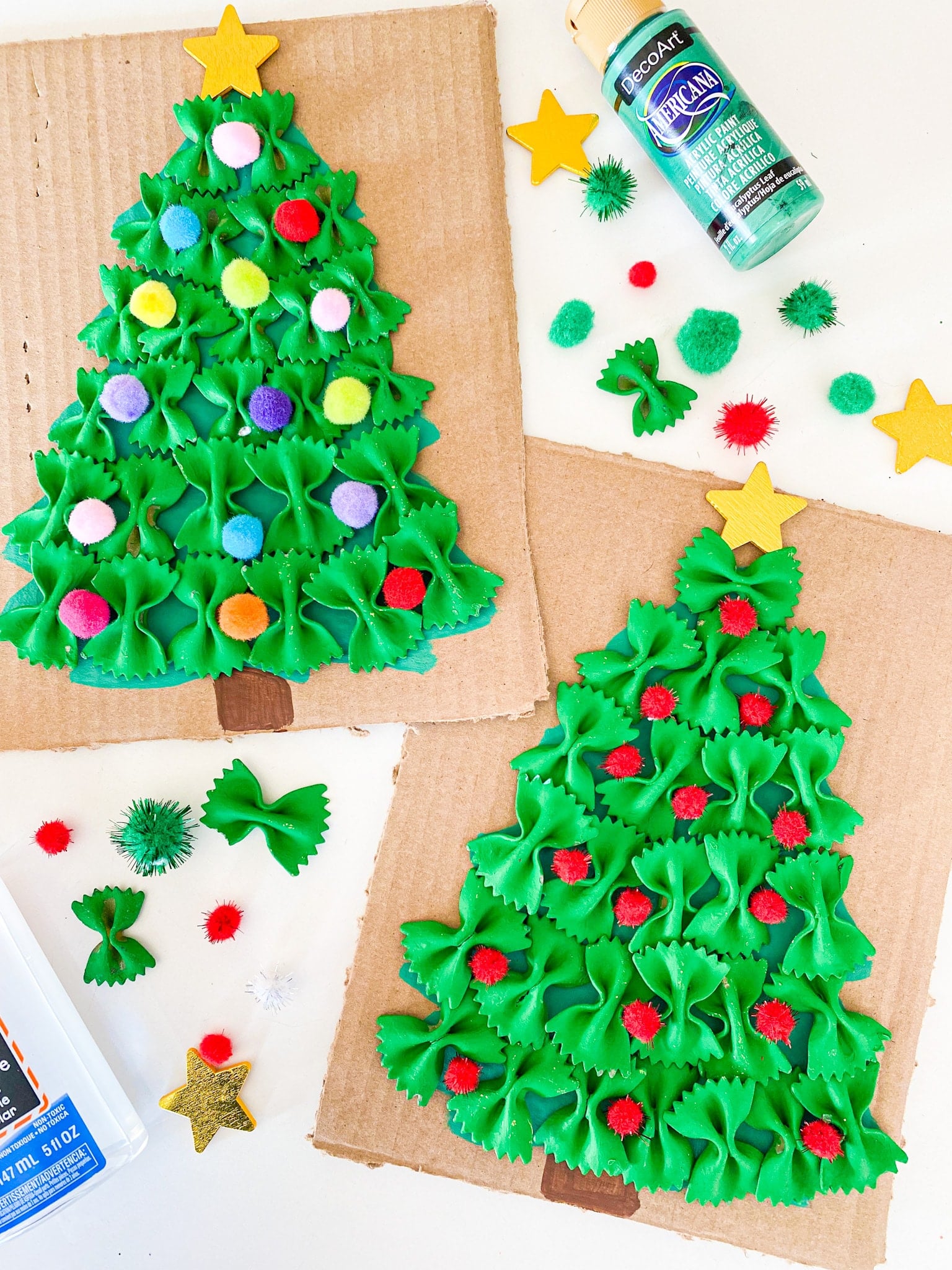
Christmas Activities for Kids, Organized by Age
The easiest Christmas activities for kids are the ones you can set up with supplies you already have and adjust to your child's attention span. Preschoolers often want short, hands-on tasks; early elementary kids enjoy clues and building challenges; older kids may prefer creating rules or designing something of their own. Below, you'll find ideas for ages 3–12, with materials, approximate timing, and cleanup guidance. Choose a comfortable level of adult help rather than expecting every child in the same age range to work independently.
Choose by age, time, and mess
| Age range | Try this first | Approx. time | Adult help | Mess level |
| 3–5 | Big-shape paper tree collage | 10–15 minutes | Close, hands-on | Low to medium |
| 3–5 | Color-and-action matching | 5–10 minutes | Lead the game | None |
| 6–8 | Gift-wrap engineering challenge | 15–25 minutes | Set up and coach | Medium |
| 6–8 | Hidden-clue winter trail | 10–20 minutes | Place and read clues | None |
| 9–12 | Plan a miniature holiday market | 30–45 minutes | Review supplies | Medium |
| 9–12 | Design a family trivia round | 15–25 minutes | Join as a player | Low |
Ages and durations are guides, not developmental promises. For younger siblings under three, choose a separate adult-supervised activity with no choking-size pieces rather than handing them materials from an older child's craft.
Five-minute setup before anyone gets bored
Put out paper, washable markers, painter's tape, a few cardboard boxes, and child-safe craft materials suited to the age group. Pre-cut complicated shapes if scissor use would take over the activity. Keep a trash bag and a “save for later” box nearby. Take a quick look at product labels before using purchased supplies.
The U.S. Consumer Product Safety Commission recommends keeping small parts away from children younger than three and following toy age guidance. In a home with toddlers, keep loose beads, tiny bells, magnets, button batteries, sharp decorations, and breakable ornaments out of reach. A decorative project is not automatically a suitable children's toy.
If you have only ten minutes, choose a game instead of a glue-based craft. If you have more time, let children help set up and decide what to display afterward; cleanup should be part of the plan.
Ages 3–5: simple projects with big movements
Make a paper tree from large shapes
You need: Green construction paper or a large pre-cut triangle, large paper circles or squares, washable crayons or glue stick, and a tray for scraps. Time: About 10–15 minutes.
An adult cuts a large tree shape in advance and puts it on the table.
The child colors the tree or attaches large paper decorations; offer one color or shape at a time if the choices feel overwhelming.
Let the child decide where the finished tree belongs. Write their name or let them dictate a title.
Avoid small stickers, loose gems, and other easily swallowed decorations in spaces shared with younger siblings. For a lower-mess version, skip glue entirely and let the child arrange paper shapes, then take a photo before clearing the tray.
Play color-and-action matching
You need: No supplies, or a few large colored paper sheets. Time: About 5–10 minutes. A grown-up names a color and an action: “Find something green, then reach your arms toward the ceiling.” A child can point instead of moving. Keep the movement gentle, with no running into furniture or tugging on actual decorations. Repeat using different shapes, feelings, or winter words.
Build a big-cardboard delivery route
Tape a few empty, clean cardboard boxes to the floor as “stops.” Children deliver folded paper notes or large pretend packages from one stop to another. Add a simple instruction such as “take the red road” using painter's tape. This is a movement game, not a race. Remove staples, packing tape loops, and sharp box edges before children play.
Ages 6–8: clues, building, and just enough challenge
Solve the gift-wrap engineering puzzle
You need: One empty box, recycled wrapping paper or scrap paper, painter's tape, and child-safe scissors. Time: About 15–25 minutes.
Ask the child to cover the box using as little paper as possible while keeping the lid accessible.
Let them test two folding methods and decide which one is easiest to open.
Add a second challenge: design a paper label that stays attached when the box is carried.
This is a problem-solving activity, not a speed-wrapping contest. Use reusable paper rather than a real present so mistakes feel low-stakes. Leave cleanup time for tiny paper scraps.
Create a hidden-clue winter trail
Write four or five location clues using simple words or drawings: “Look where we keep coats,” then “Find the place we read stories.” Hide each clue in an accessible, safe location. End with a handmade “mission complete” note, not a required prize. Keep clues away from outlets, kitchens, stairs, fireplaces, and breakable displays. For children who dislike surprises, show the route first and let them help place the cards.
Fold paper snowflakes with an adult nearby
Use standard paper and age-appropriate scissors; fold once or twice and snip broad shapes rather than making tiny intricate cuts. Unfold to see the pattern. Put scraps straight into a container to keep the floor clear. A child who dislikes cutting can draw a snowflake pattern on paper instead.
Ages 9–12: let kids invent part of the activity
Design a miniature holiday market
You need: Scrap cardboard, paper, markers, tape, and a tabletop. Time: About 30–45 minutes. Invite kids to create three pretend market stalls—a book swap, handmade cards, and a hot-drink stand on paper. They draw signs, decide prices in imaginary tokens, and invent a visitor route. They can add accessibility features, such as clear signs or a quiet corner. No money or hot drinks are required; the result is a model of a community event.
This project gives older children a reason to plan, negotiate, and revise rather than follow an adult's sample exactly. If multiple kids disagree about the layout, assign separate spaces and meet at the end to connect them.
Write a family trivia round
Ask each child to make five questions about harmless shared memories: the name of a pet, a favorite board game, or which dessert appears most often at gatherings. Let adults preview questions to avoid embarrassment or private topics. Play in teams; allow guesses without a buzzer or timer. A child can host, keep score, or simply read questions.
Invent a paper-supply challenge
Give everyone the same amount of scrap paper and tape. The goal might be a free-standing tree silhouette or a bridge that holds an empty ornament box. The children choose the rule for measuring success. Test gently on a table; do not use electricity, sharp tools, hot glue, or heavy objects.
Need something quieter, cleaner, or more active?
For a low-mess option, play silent holiday charades with seated motions or have children record a family “this year we learned” page. For energy, make a tape-line walking maze on a clear floor and let children move at a comfortable pace. Avoid blindfolds and races around furniture. Kids sensitive to sound can use written clues instead of music or loud countdowns.
Offer an opt-out that still counts as joining in: sorting cards, designing a clue, choosing the next prompt, or drawing quietly. Children who do not celebrate Christmas can take part in winter-themed shapes, appreciation cards, and collaborative games without religious assumptions.
Keep the fun manageable for grown-ups
Limit each session to one big activity plus a possible backup. Put only today's materials on the table; otherwise the setup can become a distraction. A five-minute cleanup countdown is helpful when presented as a shared task rather than a punishment. Save one favorite project to revisit next year, and recycle the rest when appropriate.
For an extended family party involving adults, find more Christmas activities for groups. If you're planning for children in a group-care setting, use Christmas activities for daycare classrooms for transitions and supervision. For a household schedule specifically on December 25, see Christmas Day plans for families.
Frequently asked questions
What are the easiest Christmas activities for preschoolers?
Large-paper collages, short color-and-action games, and adult-led pretend delivery routes are easier to manage than projects with tiny pieces or many steps. Keep each session brief and supervise closely.
How do I entertain kids at Christmas without screens?
Try a short clue hunt, paper-building challenge, or family trivia game. Choose by the child's age and energy rather than relying on an elaborate activity kit.
Can these activities work for siblings of different ages?
Yes, if they take different roles. An older child can create clues while a younger child looks for a large picture card. Keep supplies intended for older children away from infants and toddlers.
What if a child doesn't want to do crafts?
Offer a movement game, a puzzle, or a role such as storyteller or clue designer. A holiday activity should be an invitation, not a requirement.