Christmas Living Room Decorating Ideas for Any Layout
Find Christmas living room ideas for small spaces, open floor plans, and cozy corners, with easy ways to balance a tree, textiles, and lighting.
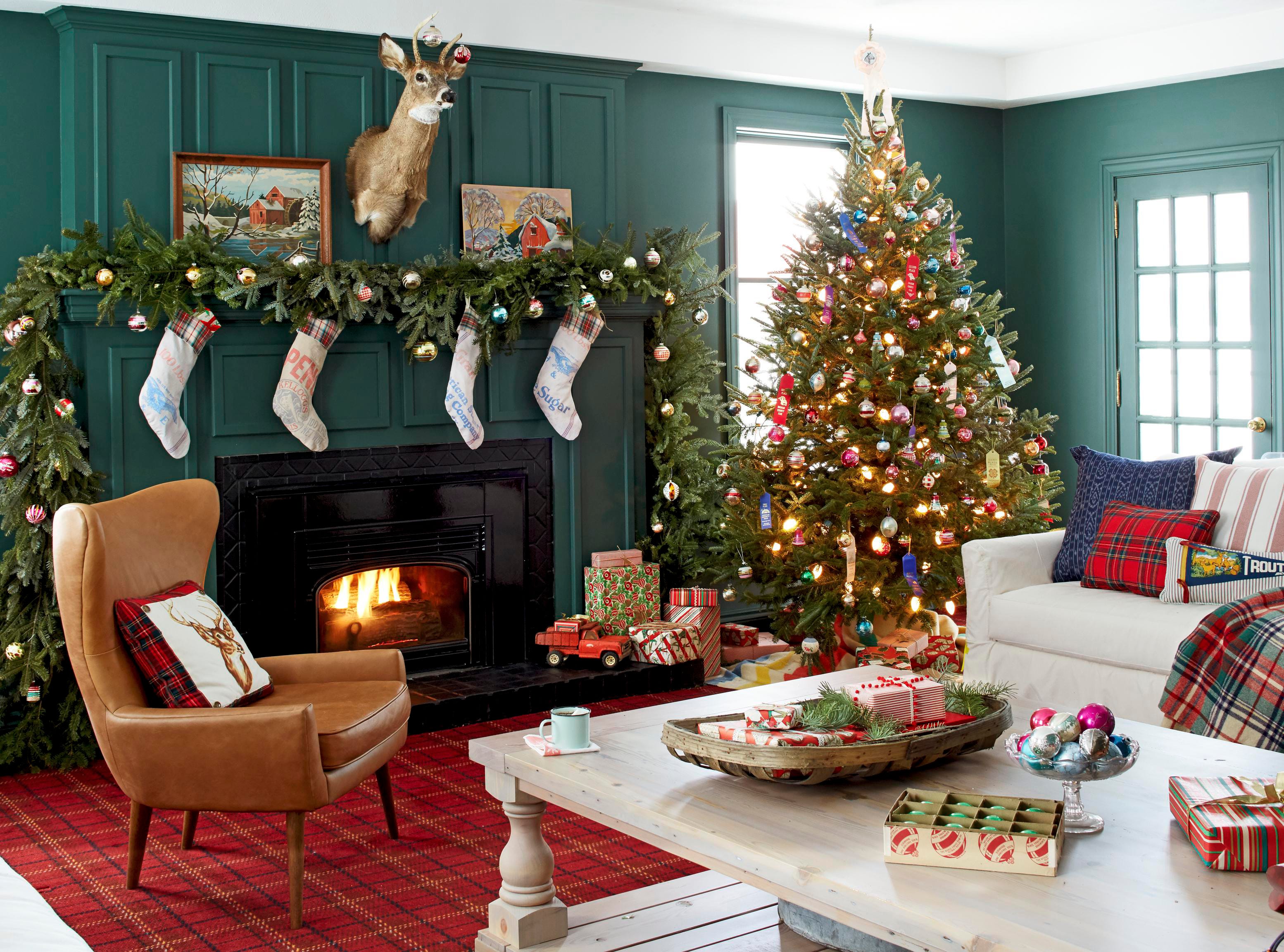
Christmas Living Room Decorating Ideas for Any Layout
Living room Christmas decor should make the space feel warmer without taking away the places people sit, walk, and set down a drink. The room's shape matters as much as its color scheme. Start with the main sightline, keep movement easy, and build smaller holiday moments around furniture you already own.
Start with the living room layout and focal point
Stand at the entrance and identify the first feature your eye lands on. It may be a tree, a fireplace, a window, or a sofa wall. Pick one as the main holiday focal point rather than asking four displays to compete. Measure the available floor area and check where furniture already directs movement. If a tree is part of the plan, place it before adding side-table and shelf accents. In rooms with a television and fireplace, it may be better to keep one of those surfaces quiet. A well-chosen focal point can make modest decorating feel more complete than filling every corner.
Small living rooms without crowded walkways
In small living rooms, prioritize vertical areas and edges rather than floor space. A narrow tree beside a console, a compact wreath on an existing hook, or a single decorated tray on a side table can signal the season without shrinking the walking route. Swap two everyday pillow covers instead of layering extra throws onto every seat. Avoid putting a large present stack in front of a door or frequently used cabinet. Leave coffee-table space for actual drinks, books, and remotes. Small rooms reward restraint because each object has a stronger visual effect. Take a photo from the doorway to spot congestion.
Open-plan living rooms with clear decorating zones
An open-plan room often needs clear decorating zones. Let the living area carry the tree and soft lighting while the dining area repeats a smaller version of the same accent color. A console between spaces can act as a visual bridge, but it should not become an obstacle. Use one repeated material, such as wood, velvet, or brass, across zones rather than identical ornaments everywhere. Check how a display looks from the kitchen and dining table; what appears balanced from the sofa may feel crowded across the room. Aim for related, not duplicated, holiday moments.
Color, lighting and textiles for a cohesive look
Color can change the room without requiring a new collection of decorations. Choose one base color from the room's existing furniture, then add a seasonal contrast. Deep green against cream upholstery, for example, feels calm; small bursts of red make it livelier. Warm white lighting can soften reflective ornaments, while textured throws and pillows make an arrangement feel comfortable. Avoid having every object sparkle. A mix of matte fabric, natural-looking greenery, and one reflective finish gives the eye a place to rest. Keep everyday room lighting usable after dark instead of relying only on decorative strings.
Style shelves, sofas and coffee tables selectively
Shelves look better when decorations occupy a few purposeful spots rather than every gap between books. Group two or three items of different heights on a stable tray and leave neighboring shelves alone. On a sofa, replace regular pillow covers instead of stacking seasonal cushions on top of them. For coffee tables, favor one low centerpiece that can move when people gather. Avoid tall arrangements that block conversation or create hazards for children and pets. If a window is already a visual feature, a subtle garland near the frame may be enough. Let familiar furniture continue to do most of the work.
Integrate tree and mantel without competing displays
When both a tree and mantel are visible, make one the star and the other a supporting accent. A richly decorated tree might pair with a spare mantel arrangement; an expressive mantel can sit opposite a simpler tree palette. Repeat a ribbon shade or metal finish so they feel connected. Keep clearances, heat sources, and seating sightlines in mind when deciding which gets more attention. For ornament-layering details, use the dedicated tree guide; for fireplace shelf composition, use the mantel guide. This room guide is about how the two displays sit together in a functioning living space.
Three looks to try
Apartment: Slim tree near the wall, one pillow-cover swap, and a small console display.
Open-plan home: Main focal point by the sofa, repeated accent in the dining area.
Fireplace room: Decorated mantel and a quieter tree with the same ribbon color.
Frequently asked questions
Where should I put Christmas decorations in a small living room?
Choose one visible focal point and add compact accents along existing furniture instead of taking more floor space.
How do I decorate a living room without a tree?
Use textiles, a shelf arrangement, a window accent, and a single clear focal display.
Should the tree and mantel match?
They can share one color or texture without repeating the same arrangement.
Explore related Christmas decorating guides
Christmas mantel decorating ideas
Christmas tree decorating techniques
Christmas staircase decorating ideas