Indoor Christmas Decorations: What to Choose and Where to Use Them
Compare indoor Christmas decorations, from lights and garlands to tabletop accents, and choose practical materials, sizes, and storage options.
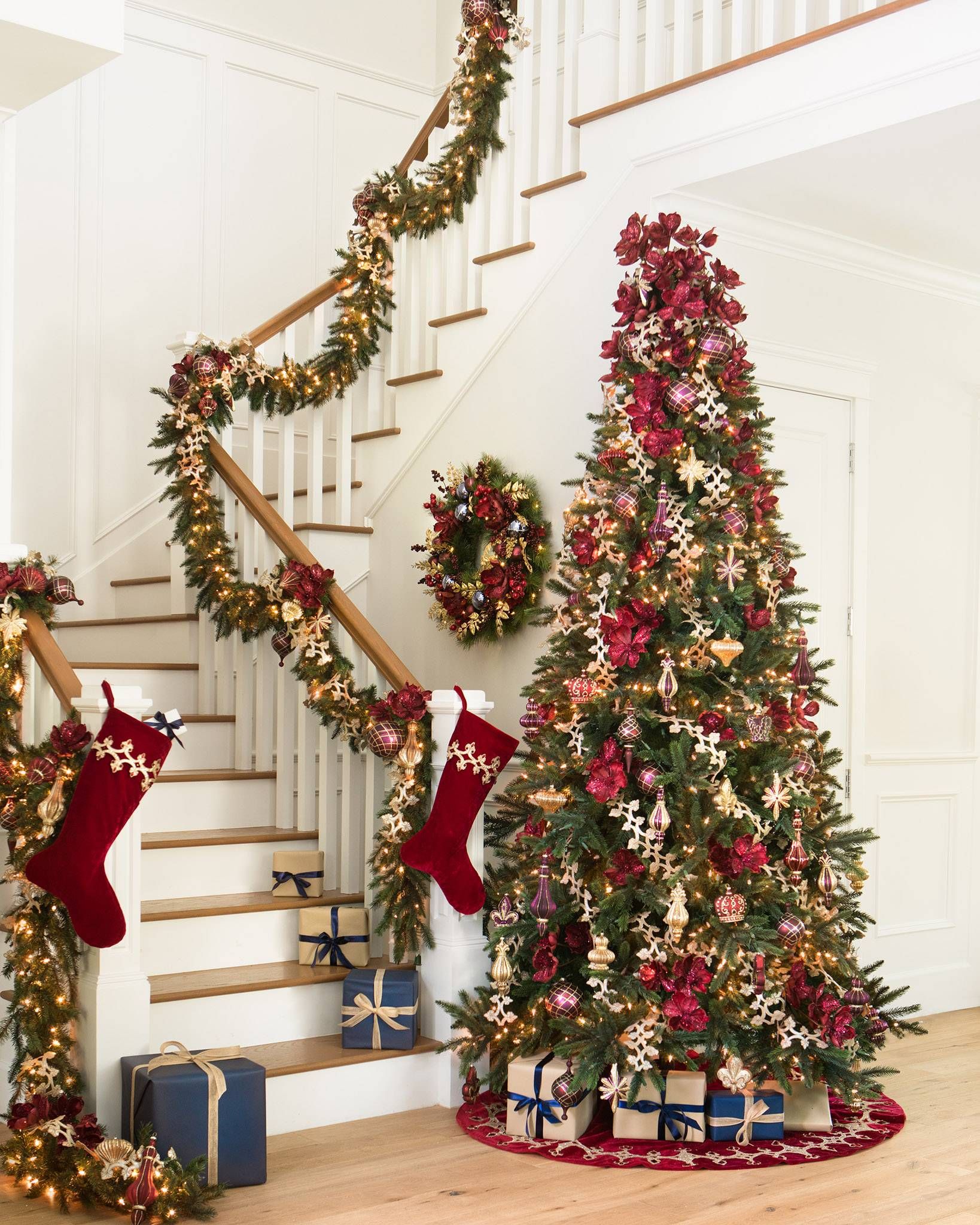
Indoor Christmas Decorations: What to Choose and Where to Use Them
Shopping for indoor Christmas decorations is easier when you decide what problem each item solves. Do you need soft light, an accent for a shelf, or enough greenery to fill an empty corner? This guide compares decoration types, materials, scale, and storage so you can choose pieces that earn their place long after the first shopping trip.
Choose indoor decorations by room and scale
Match the item to the room before choosing a design. A narrow entry console may suit a short greenery arrangement, while a large living room can support a full tree or a substantial wall accent. In dining areas, decorations should make room for serving and seating. For bedrooms, consider quiet pieces such as a small fabric accent or a single seasonal print rather than adding cables and breakables near beds. Take measurements of shelves, windows, and storage spaces; online photos rarely show how much depth an ornament occupies. Choose a few pieces that fit the actual surface instead of buying sets because the packaging looks coordinated.
Compare garlands, lights, greenery, accents and ornaments
Garlands are useful for framing but vary widely in bulk, flexibility, and shedding. Decorative lights can soften a room, yet the right length, bulb appearance, and product rating matter more than total brightness. Faux greenery offers reuse; real branches have texture and scent but need maintenance and careful placement. Ornaments are flexible accents for a tree or a shallow bowl, while figurines work best in stable groups rather than scattered singly across the room. Match each category to its job. If you want a warm corner, you may need a small lamp-like decorative light, not another box of ornaments.
Pick durable materials and realistic storage options
Look closely at materials and construction. Fabric ribbons can fold for storage, whereas wired garlands may retain bends and need a longer box. Glass ornaments are attractive but fragile; unbreakable options suit busy family rooms better. Artificial greenery differs in how easily it sheds and whether branches hold their shape when reused. Check cleaning instructions before buying velvet or flocked pieces that may attract dust. Storage is part of the true cost: a large sculptural centerpiece is less appealing if it will never fit back into a closet. Buy decorations that suit the life and space you actually have.
Create a cohesive look without buying matching sets
A cohesive look does not require a matching collection. Repeat one feature—such as natural wood, dark ribbon, or a brass finish—across otherwise different objects. Leave visual breathing room around favorite keepsakes. If a room already has patterned upholstery, simpler seasonal accents may work better than another layer of busy prints. Try grouping items in odd numbers on a tray, then remove one if the surface feels crowded. The strongest pieces often come from different years and places; consistent editing ties them together. Choose items that complement your room's usual colors rather than abandoning your everyday style in December.
Use a practical indoor shopping checklist
Before buying, answer five questions: What surface will this occupy? What are its dimensions? Is it appropriate for the room and people who use it? How will it be powered or cleaned? Where will it be stored in January? Consider whether you already own something that fills the same role. Check return terms and product instructions before committing to bulky or electrically powered pieces. Set a limit for each category—perhaps one additional garland or one shelf accent—rather than purchasing a full cart without a plan. A specific checklist protects both the room's appearance and your holiday budget.
Use decorative lights and candles safely
Use decorative lighting only in locations for which it is rated, and inspect cords and bulbs before installation. Follow manufacturer instructions for connections and switch decorations off when leaving home or going to bed. Keep live flames away from greenery, paper, and fabrics; flameless candles can be a better choice. Avoid covering vents or placing anything where children and pets can easily pull it down. A live tree needs regular water and clearance from heat sources. These basics apply regardless of decorating style. For full room layouts or detailed fireplace compositions, follow the more specific guides rather than turning a buying checklist into a second decorating tutorial.
Three looks to try
Small shelf: One stable decorative house, a short greenery accent, and visible empty space.
Guest room: One seasonal print and a fabric accent without cords near bedding.
Family living area: Unbreakable ornaments, washable textiles, and a reusable garland stored flat.
Frequently asked questions
Which indoor Christmas decorations are most versatile?
Reusable garlands, plain ornaments, textiles, and one small lighted accent can serve many rooms.
How can I avoid buying too much decor?
Measure the intended surface and assign a purpose and storage spot before purchasing.
Are battery-powered candles safer than real candles?
They avoid an open flame, but still require safe placement and proper battery care.
Explore related Christmas decorating guides
Room-by-room christmas decorating plan
Christmas living room decorating ideas