Constitutionalism: Definition, Historical Context and Civic Examples
Understand constitutionalism with clear definitions, examples, scientific context, and notes on common misunderstandings.
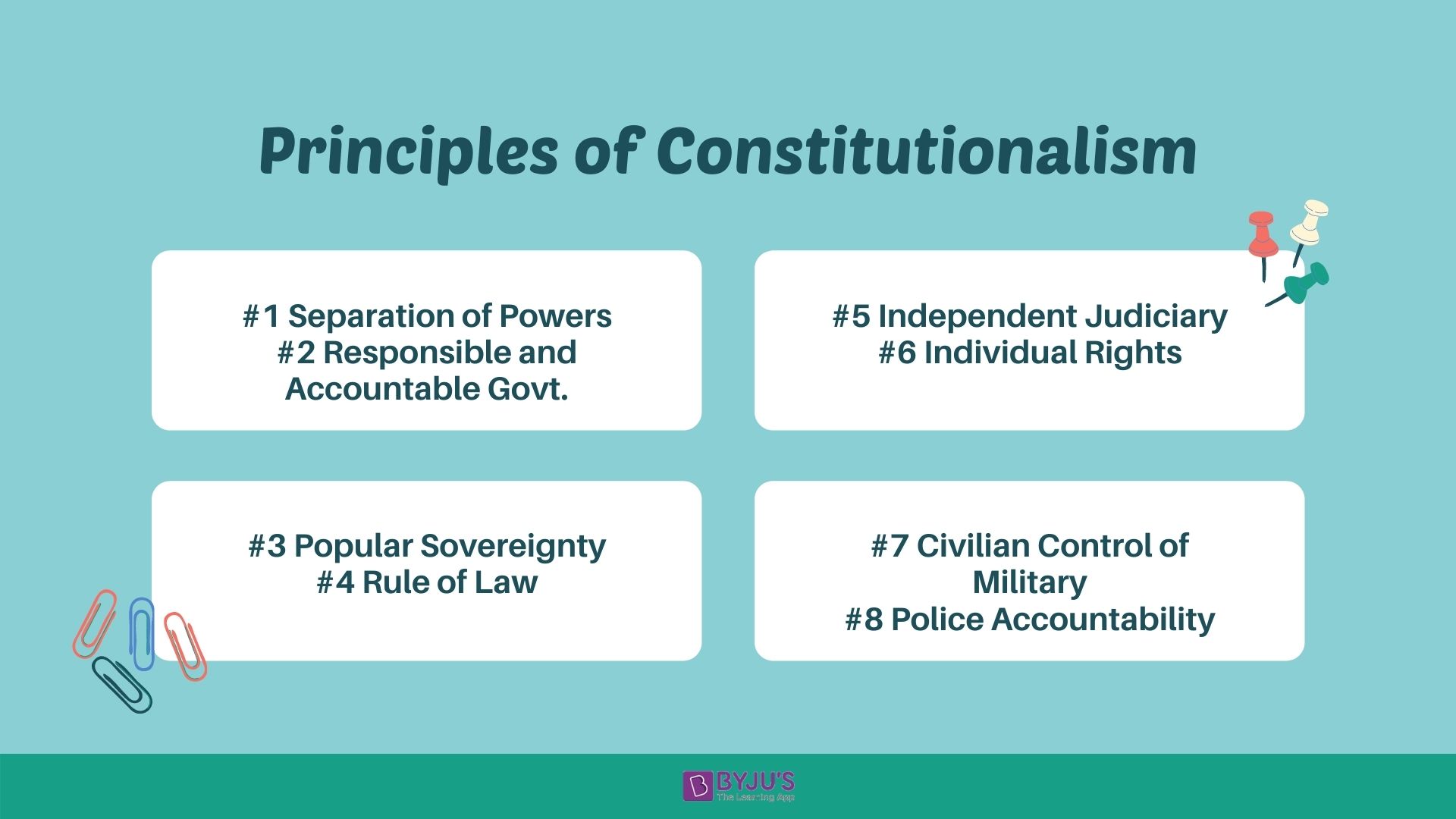
Constitutionalism: Limited Government, Rules and Rights
Constitutionalism is the idea that government power should operate under fundamental rules and meaningful legal restraints.
A useful way to understand this topic is to separate the underlying idea from a worked example and from the limits of the explanation. Civic concepts must be interpreted against their historical and legal setting. A word can describe an ideal, an institution, or a particular policy depending on context.
How it works
Written or unwritten constitutional arrangements can specify powers, rights, checks, and procedures for changing institutions.
The mechanism matters because it explains the observation rather than just naming it. The pattern becomes clearer when the structures, context, and evidence are considered together.
An example in context
Courts, legislatures, and executive offices may have distinct responsibilities designed to prevent arbitrary concentration of authority.
This example is best treated as a specific case, not an all-purpose rule. Consider which features are broadly shared and which depend on species, historical setting, or individual circumstances.
What the term should not be confused with
Merely having a document called a constitution does not guarantee constitutionalism in practice; enforcement and political norms matter.
These boundaries help keep this page focused. Related subjects may overlap, but a shared word or superficially similar appearance is not sufficient evidence that two concepts are equivalent.
Why the distinction matters
Constitutional texts, legislation, historical documents, and political scholarship provide different forms of evidence. Current applications may require checking amendments and recent rules.
For readers, the practical lesson is to ask what is directly observable, what is inferred from a model, and which further evidence would help separate competing explanations. In this topic, the example above illustrates why that difference can matter.
Common mistakes and limitations
Systems differ in judicial review, parliamentary sovereignty, and rights protections. Avoid treating one country's institutional model as universal.
Definitions alone do not settle whether a policy is effective or just. Separate the factual account from the argument about what ought to be done.
Frequently asked questions
What is Constitutionalism? Constitutionalism is the idea that government power should operate under fundamental rules and meaningful legal restraints.
What is a clear example? Courts, legislatures, and executive offices may have distinct responsibilities designed to prevent arbitrary concentration of authority.
What is a common misconception? Merely having a document called a constitution does not guarantee constitutionalism in practice; enforcement and political norms matter.
Continue exploring
Core Civic Concepts — a broader topic overview.
Joint-Stock Companies — a focused explanation of a related concept.
