Do Hamsters Hibernate or Enter Torpor?
Hamsters may enter dangerous torpor when conditions get too cold. Learn warning signs, prevention, and when to call a veterinarian urgently.
Do Hamsters Hibernate or Enter Torpor?
A pet hamster that is cold, barely moving, or difficult to wake should never be dismissed as “just hibernating.” Hamsters can enter torpor, a dangerous state of reduced body temperature and metabolism associated with cold or insufficient resources. Because severe illness can look similar, prompt veterinary guidance is important whenever a hamster seems unresponsive.
Torpor is not normal daytime sleep
A hamster normally sleeps for many daylight hours but remains warm, breathes regularly, and eventually wakes to its typical evening routine. Torpor is different: the body slows down dramatically. Breathing may be extremely shallow, the animal may feel cool, and movement can be minimal. Owners sometimes confuse this condition with hibernation or even death. Neither can be reliably diagnosed by a quick look at a motionless hamster.
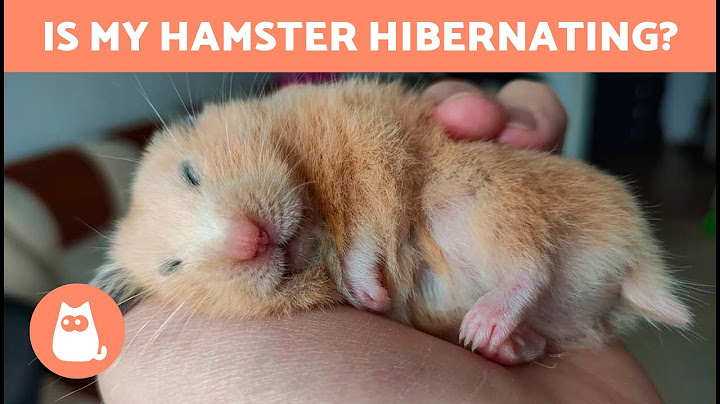
Wild hamster species vary in their seasonal biology, and the term “hibernation” is used inconsistently in casual care discussions. For pet care, the practical point is clear: a household hamster should not be intentionally exposed to cold to induce this state. A pet entering torpor is an environmental or health warning, not a healthy winter ritual to encourage.
Why a hamster might become torpid
Cold room temperatures and drafts can contribute, especially when the animal has inadequate nesting material or limited food. Reduced daylight may also influence physiology, but household owners should focus on stable warmth, reliable feeding, and a secure burrow. A cage beside a frequently opened window, on a cold floor, or in an unheated room may experience larger temperature swings than expected. Food or water access failures add further risk.
These factors do not establish a diagnosis. Infection, injury, dehydration, or other critical illnesses can also leave a hamster quiet, cold, or weak. The more uncertain the situation is, the less appropriate it is to wait for the hamster to “sleep it off.”
Warning signs that require an urgent call
Be concerned if a hamster is unresponsive at its usual active time, feels abnormally cold, breathes unusually slowly, appears limp, or has clearly reduced appetite and droppings. Never test an animal by shaking it, dunking it in water, pinching it, or placing it on a radiator. Do not assume the absence of obvious movement proves death. A veterinarian can assess breathing, temperature, hydration, and causes that look alike.
If you suspect torpor, contact an exotic-mammal veterinarian or emergency clinic promptly. Explain when the hamster was last seen behaving normally, its enclosure location, recent room temperatures, food and water availability, and any weight loss or diarrhea. If you cannot reach an exotic specialist immediately, call another veterinary emergency service for triage instructions.
What to do while arranging professional help
Move the enclosure or hamster to a comfortable indoor environment away from drafts, bright sunlight, and direct heat. Gentle, gradual warming—such as holding the animal carefully in warm hands or using a soft, dry cloth—may be advised, but avoid hot surfaces, hair dryers, unprotected heating pads, or forced overheating. Handle as little as needed to keep the hamster safe. If the animal is weak or not fully awake, do not force food or fluids into its mouth: aspiration is a serious risk.
A small ventilated carrier with familiar dry bedding can be useful for transport, provided the carrier is protected from cold. Continue monitoring while following veterinary instructions. A hamster that starts moving again still deserves attention if it had been profoundly unresponsive; the trigger and possible complications should be addressed.
Preventing a recurrence
Keep the enclosure in a consistently temperate, quiet room. Woodgreen recommends roughly 18–21°C as a practical year-round room-temperature range, but avoid turning a single number into a substitute for monitoring drafts, heat waves, and the hamster's condition. Maintain abundant suitable nesting bedding, an accessible hide, an appropriate daily food ration, and fresh drinking water. Check for a leaking or blocked bottle every day.
Do not use strong artificial lighting to keep the hamster awake. Instead, allow a regular day–night cycle and respect its normal nocturnal activity. An insulated enclosure is not automatically a safe enclosure if ventilation is poor; balance warmth with airflow.
Normal sleep versus a medical change
Hamsters are usually active after dusk, so a pet sleeping while you work at noon is not an emergency by itself. The situation changes if it misses normal evening activity, cannot be roused gently, loses weight, has soiled fur, or exhibits unusual breathing. That overlap is why the sleep-pattern guide and the torpor guide serve different intents. When in doubt, choose veterinary assessment rather than trying to label the state at home.
Frequently asked questions
Do pet hamsters hibernate every winter?
No. A well-kept pet hamster should not be expected to become cold and unresponsive each winter; suspected torpor calls for attention.
How can I tell torpor from death?
They may look distressingly similar. Do not declare a hamster dead based on touch or appearance; ask a veterinarian for urgent guidance.
Should I place a cold hamster on a heater?
No. Direct heat can cause burns or dangerous rapid warming. Seek veterinary advice and use gentle, gradual warming only while arranging care.
Can a hamster be sleeping deeply during the day?
Yes. Daytime sleep is ordinary; pronounced coldness, abnormal breathing, and inability to respond are not normal sleep signs.
Will a hamster recover from torpor without a vet?
Some improve with corrected conditions, but illness can mimic torpor and complications are possible. Veterinary assessment is the safer route.
Related hamster guides
Are Hamsters Nocturnal? Sleep and Activity Explained