Are Hamsters Nocturnal? Sleep and Activity Explained
Learn when hamsters are active, why daytime disturbance is stressful, and how to plan safe handling and enrichment around sleep.
Are Hamsters Nocturnal? Sleep and Activity Explained
Hamsters are mostly active in the evening and at night, and they commonly sleep through much of the day. “Nocturnal” is the familiar shorthand, although activity can peak around dusk and dawn and can vary by individual. For caregivers, the important question is not the technical label but how to build a routine that respects an animal whose natural waking hours may be very different from yours.
What a normal day looks like
A hamster may sleep inside its burrow for hours, surface after the house becomes quiet, eat, forage, run on its wheel, groom, and return to rest before daylight. This behavior is not laziness or a sign that it is unhappy. Some pets become briefly active in late afternoon, while others do not appear until well after dark. Bright light, noise, room temperature, and previous disturbance can influence when they emerge.
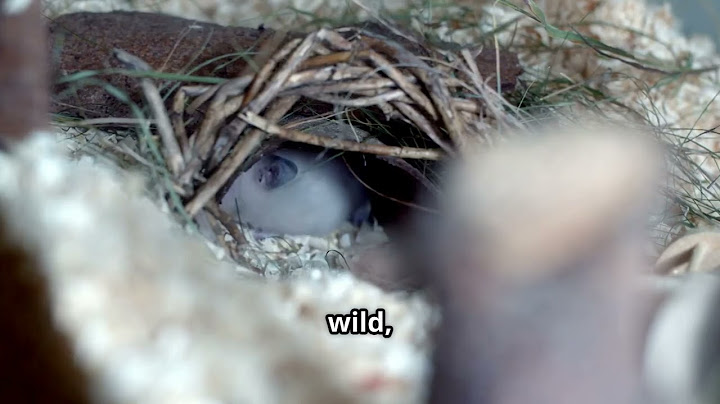
Rather than switching on a bright light to wake the hamster for attention, observe gently during its usual active period. Keep a regular day–night cycle, and avoid placing the enclosure near a television, speakers, or traffic through the room at night. A stable, quiet location helps the hamster choose safe moments to explore.
Nocturnal versus crepuscular behavior
Nocturnal animals concentrate activity at night. Crepuscular activity happens mostly around dawn and dusk. Hamsters can show overlapping patterns depending on species, environment, and individual habits. The practical message is the same: do not schedule hand-taming or play sessions during the animal's deepest daytime sleep. The label should not be used to justify keeping a pet awake for an owner's convenience.
If your hamster becomes active while you are still at work, you can still provide enriching activities before you leave: scatter a measured daily food ration and set up accessible tunnels, hides, and a safe wheel. The animal does not need a person awake beside it to explore.
Why waking a hamster can lead to biting
Hamsters are prey animals that rely on burrows for security. A hand entering a nest from above may feel like an attack, especially when the animal is startled awake. Defensive biting, freezing, or frantic running can follow. Let the hamster emerge voluntarily, speak softly, and offer a hand near ground level without blocking the nearest retreat. If it seems anxious, stop the session rather than escalating.
For necessary health checks or vet transport, plan calmly using a small carrier or cup and keep handling near a safe low surface. Avoid dropping a sleeping animal into an exercise ball or chasing it through tubes to make it exercise.
A sleep-friendly habitat
A deep layer of appropriate bedding allows the hamster to create its own dark sleeping chamber. Add enclosed hides and cover between exposed areas so it can move without feeling constantly visible. Keep the enclosure away from direct sunlight, drafts, and excess heat. Heavy equipment must be stabilized to prevent collapse into burrows. Provide fresh water, a measured balanced diet, and quiet access to the wheel and sand area for waking hours.
Noise is a practical consideration for the owner too. Wheel running and digging can be audible at night. A silent wheel may help, but the solution is not to remove exercise opportunities during the hamster's most active hours. If noise disrupts sleep, locate the enclosure in a safe, quieter room rather than curtailing natural behavior.
When a changed pattern may mean illness
A hamster that sleeps all afternoon is behaving normally; one that misses its usual evening activity, eats less, loses weight, has diarrhea, or appears hunched may need veterinary assessment. Sudden unresponsiveness or a cold body is not “extra deep sleep.” Torpor and other illnesses can look similar and require urgent professional guidance. Do not assume every inactive hamster is entering a harmless winter hibernation.
Write down the hamster's typical schedule so a change is easier to recognize. This is especially useful with an animal that hides symptoms and may be unseen for long stretches.
Making time for interaction
Short, predictable sessions when the hamster is alert are better than long daytime playdates. Set a hand down, allow voluntary investigation, and reward calm behavior with a tiny suitable food piece from the measured diet. If your schedule rarely overlaps with the animal's waking period, enrichment, observation, and a well-planned habitat can still offer good welfare. A hamster is not obligated to be awake when its owner is.
Frequently asked questions
Are hamsters nocturnal or crepuscular?
They are commonly described as nocturnal, but many also show activity around dusk and dawn. Individual schedules vary.
Is it normal for my hamster to sleep all day?
Yes, provided it remains healthy and active during its usual waking time and has normal appetite and droppings.
Should I wake my hamster to play?
Generally no. Wait for voluntary waking to reduce stress and defensive biting.
Why does my hamster run at night?
Nighttime is a typical active period for foraging and exercise. A properly sized safe wheel allows this natural behavior.
Can sleeping too much be a problem?
Sudden inactivity at normally active times or symptoms such as coldness and weight loss are reasons to contact a veterinarian.
Related hamster guides
Do Hamsters Hibernate or Enter Torpor?