Stylish Furniture‑Style Dog Crates
Discover the latest design trends for furniture‑style dog crates and how to match them with your home décor.
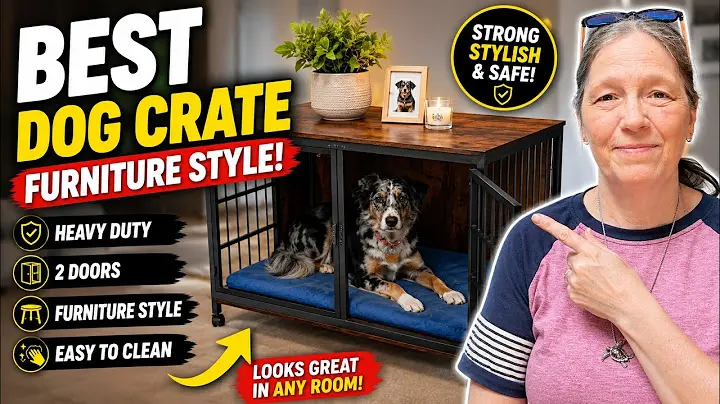
Furniture‑style dog crates are redefining pet housing by blending functional design with interior aesthetics. These modern enclosures come in sleek lines, neutral palettes, and versatile materials that echo the look of contemporary furniture. By choosing a crate that complements your living space, you can keep your dog comfortable while enhancing your décor. Below, we explore the latest design trends and the material options that make these crates a stylish addition to any home.
Current Design Trends
The most prominent trend in furniture‑style dog crates is the minimalist silhouette, which emphasizes clean lines and subtle detailing. Designers are moving away from bulky, boxy shapes toward streamlined profiles that fit seamlessly into living rooms, bedrooms, and even office spaces. A key element is the use of open panels or mesh sections that provide ventilation while maintaining a cohesive aesthetic. Many manufacturers are adopting muted color schemes—soft greys, warm beiges, and classic black—to blend with neutral décor. This approach allows the crate to act as a subtle accent rather than a focal point. Another trend is the integration of modular components. Some crates feature removable side panels or interchangeable top covers, enabling owners to adjust the enclosure’s appearance to match seasonal décor or personal taste. This modularity also facilitates easy cleaning and maintenance, a practical benefit that appeals to busy homeowners. Finally, there is a growing emphasis on ergonomic design. Crates now incorporate padded flooring, adjustable height options, and built‑in storage pockets for toys and treats. These functional touches enhance the dog’s comfort while reinforcing the crate’s role as a stylish, multi‑purpose piece of furniture.
Material & Finish Options
The material palette for furniture‑style dog crates has expanded beyond traditional plastic and metal. High‑grade plywood and engineered wood are now common, offering durability and a refined look that mirrors modern cabinetry. These wood crates often feature a smooth, sanded finish that can be stained or painted to match existing furniture. For a more industrial vibe, stainless steel or powder‑coated metal frames provide a sleek, contemporary feel while ensuring long‑term resilience. Fabric and upholstery have also entered the market. Soft, washable fabrics—such as canvas, microfiber, or faux leather—are used to line the interior or cover the exterior, adding texture and color. These fabrics can be coordinated with throw pillows or accent rugs, creating a cohesive visual theme. The use of breathable mesh panels remains essential for ventilation, especially in warmer climates, and is frequently combined with the other materials to maintain a balanced aesthetic. Finish options further enhance customization. Matte or satin varnishes protect wood surfaces and reduce glare, while glossy or high‑gloss coatings on metal frames add a touch of sophistication. Some manufacturers offer interchangeable panels that can be swapped out to change the crate’s appearance seasonally or to match new décor trends. This flexibility ensures that the crate remains a timeless, adaptable element of your interior design.
Matching Crates to Home Styles
Furniture‑style dog crates are designed to blend seamlessly with interior décor, offering a sophisticated alternative to traditional pet enclosures. When selecting a crate that complements a particular home style, consider the primary materials, color palette, and architectural details that define the space. For example, a mid‑century modern living room with clean lines and walnut accents pairs well with a crate featuring a walnut veneer finish and a minimalist frame. The natural wood grain echoes the room’s furniture, while the simple silhouette maintains the aesthetic of uncluttered surfaces. In contrast, a rustic farmhouse interior with exposed beams and warm terracotta walls can be enhanced by a crate finished in distressed pine or reclaimed wood. The weathered texture adds depth and a sense of continuity with the surrounding décor, creating a cohesive look that feels intentional rather than an afterthought. For a contemporary loft with metal fixtures and monochrome tones, a crate with a matte black or brushed steel frame and a neutral fabric lining offers a sleek, industrial vibe that aligns with the overall design language. The key is to match the crate’s dominant material and color to the dominant elements in the room, ensuring the pet’s enclosure feels like an integrated part of the interior rather than a separate accessory.
Photo Gallery
The photo gallery showcases a curated selection of furniture‑style dog crates in various settings, illustrating how these enclosures can be styled to enhance different interior themes. Each image highlights a specific design element—such as a walnut veneer crate positioned beside a mid‑century sofa, a distressed pine crate tucked into a farmhouse corner, or a matte black crate placed in a contemporary loft—demonstrating the versatility of these products. The gallery also includes close‑up shots of the crate’s construction details, such as the quality of the hinges, the texture of the wood finish, and the softness of the interior lining. By presenting these visual examples, the gallery provides readers with tangible inspiration for integrating a dog crate into their own home décor, reinforcing the idea that pet furniture can be both functional and stylish.
Where to Find Designer Crates
Designer dog crates are increasingly available through a mix of specialty pet retailers, upscale home décor stores, and online marketplaces that focus on high‑end pet accessories. Many boutique pet boutiques, such as The Dog House and Petco’s premium line, curate collections that feature sleek, minimalist frames, natural wood finishes, and contemporary metal accents. These stores often collaborate with local artisans or well‑known designers to create limited‑edition models that blend functionality with aesthetic appeal. Home décor retailers like West Elm, Crate & Barrel, and Anthropologie have begun to offer pet furniture that mirrors their interior design lines. For example, West Elm’s “Pet Corner” series includes modular crates with clean lines, neutral tones, and the option to add custom fabric panels that match living‑room textiles. Crate & Barrel’s “Pet Essentials” collection showcases crates with a modern industrial look, featuring exposed steel frames and matte finishes that complement mid‑century modern interiors. Online platforms such as Etsy and Amazon’s “Pet Design” section provide access to independent designers who specialize in bespoke crates. These sites allow consumers to filter by material, color, and style, ensuring a match with specific décor themes. Many Etsy sellers offer customization options, including wood grain selection, metal finish, and even hand‑stamped logos, enabling owners to create a crate that feels like an intentional design element rather than a utilitarian object. Finally, architectural and interior design firms sometimes collaborate with pet product manufacturers to produce custom crates for high‑end residential projects. These collaborations result in crates that are tailored to the architectural style of a home, incorporating materials such as reclaimed wood, brushed steel, or even glass panels for a modern, airy feel.
