How Much Does It Cost to Clone a Dog?
Dog cloning in the US is listed at $50,000 by ViaGen Pets. Explore preservation fees, the process, limits, welfare concerns and questions to ask before paying.
How Much Does It Cost to Clone a Dog?
As of November 2026, ViaGen Pets lists dog cloning at $50,000 in the United States, split into two $25,000 installments. That figure is a published price from one provider, not an industry-wide average or a promise that every customer’s total will be exactly $50,000. State sales tax and the details of an individual agreement can change the amount due.
If you are considering cloning a beloved dog, the financial questions are only the beginning. Cloning can produce a puppy with much of the original dog’s genetic makeup; it cannot bring back that animal’s memories, relationships, or lived experiences. Understanding the difference matters before you pay for cell preservation or sign a cloning contract.
How much does dog cloning cost in 2026?
ViaGen’s published dog-cloning price is $50,000, divided into two equal payments. Its ordering page says state sales tax may apply and may be added to the final bill. The provider’s separate 2026 pricing guide also discusses possible costs connected with preservation, storage, tissue handling, and international shipping in particular circumstances. Those items should not be casually added together as if every customer owes all of them.
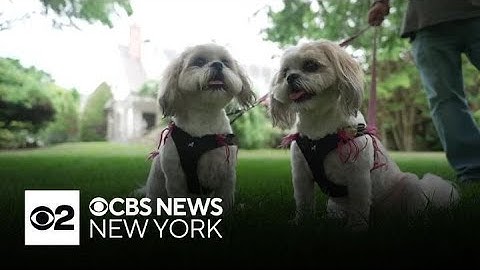
Ask the provider for a written, itemized quote that specifies which services are included, when each installment is due, the treatment of sales tax, and what happens if a viable cloned puppy cannot be delivered. ViaGen advertises a refund policy, but the legally relevant conditions are the terms of the actual agreement, not a short marketing summary.
Dog cloning vs. genetic preservation: different services
Genetic preservation is a way to collect, grow, and store viable cells that might be used for cloning later. It does not itself produce a puppy. ViaGen’s FAQ lists dog genetic preservation at $1,600, and its veterinary information describes an annual storage fee of $150. Fees and conditions can change, so confirm both the upfront and recurring charges before paying.
Preservation may make sense to someone who wants time to consider cloning, but it is not a guaranteed path to a particular result. DNA test kits for breed identification or ancestry are not a substitute for professionally preserving cells suitable for cloning. Ask a veterinarian and the cloning provider about correct sample collection, shipping, and timing.
How does cloning a dog work?
Most modern mammalian cloning uses a method called somatic cell nuclear transfer, often shortened to SCNT. In simplified terms, a laboratory takes the nucleus from a living cell associated with the dog to be cloned and places it into an egg cell whose own nucleus has been removed. The resulting embryo is then transferred to a surrogate, where a pregnancy may develop.
Step 1 — Collect and preserve appropriate living cells from the original dog, following the provider’s veterinary instructions.
Step 2 — Prepare egg cells and use nuclear-transfer methods to create an embryo carrying the donor dog’s nuclear genetic material.
Step 3 — Transfer embryos to a surrogate dog, monitor pregnancy and birth, and provide veterinary care.
Step 4 — If a healthy puppy is delivered, raise that puppy as a new individual with its own experiences and needs.
This is a simplified overview, not a do-it-yourself laboratory procedure. Success is not assured after any particular embryo transfer, and the process involves animals other than the pet being cloned. The exact protocol, care obligations, timeline, and outcomes should be discussed with the provider.
Will the cloned dog look and act exactly the same?
No. The FDA explains that even animals with nearly identical genetic information can show differences in coat markings and appearance. Gene expression and development help shape visible traits, while training, environment, age, health and experience shape temperament and behavior.
A new puppy will not remember the original dog’s favorite places, learned tricks, or relationship with the family. It will begin a separate life. This is an especially important expectation to discuss when the decision follows the death of a pet: genetic similarity is real, but it is not the same as reversing a loss.
Animal welfare questions deserve equal attention
Cloning may involve egg donors, surrogate mothers, unsuccessful embryos, pregnancies, and veterinary interventions. Those animals’ welfare is part of the ethical picture, not a technical footnote. In its February 2026 position statement, the British Small Animal Veterinary Association (BSAVA) said it does not support commercial companion-animal cloning, citing welfare concerns and limited evidence about long-term health outcomes.
That is a professional association’s position, not a statement that all cloning is prohibited in the United States. It is also important not to overgeneralize research from cattle or other species to dogs. Ask what independent oversight exists, how donor and surrogate animals are cared for, what happens when an attempt fails, and what information is available about the health of cloned dogs over time.
How long does the process take?
There is no single reliable completion date for every dog-cloning case. Obtaining a suitable cell line, arranging reproductive procedures, establishing a pregnancy, and caring for a newborn can take time. Scheduling and unsuccessful attempts can extend the process. Obtain a written estimate and clarification of what milestones trigger payments, rather than relying on anecdotes or celebrity stories as a standard timeline.
A practical decision checklist before paying
Request current written pricing, tax treatment, any ongoing storage fee, and clear refund conditions.
Confirm what type of sample is required and whether the original dog is still available for safe collection.
Ask how egg donors, surrogates, and puppies are housed, monitored, and cared for.
Consider what genetic similarity means—and what it does not mean—for personality and grief.
Review less costly alternatives, including memorial projects, supporting animal welfare, or adopting another dog when you are ready.
Cloning is a personal decision with scientific, emotional, financial, and animal-welfare dimensions. A compassionate conversation with your veterinarian and family can help determine whether preservation, cloning, or a different way of honoring the pet best fits your values.
Why did Tom Brady’s cloned-dog story attract attention?
In November 2025, Tom Brady said his family’s dog Junie was cloned from Lua, a dog who died in 2023. The announcement made pet cloning more visible, but a celebrity case should not be mistaken for proof of a guaranteed result or a published price paid by that individual.
Read the factual timeline in our Tom Brady cloned dog explainer.
Frequently asked questions
How much does it cost to clone a dog in the US?
ViaGen Pets lists a $50,000 dog-cloning service, with two $25,000 installments. Check applicable tax and contract-specific fees before relying on that number.
Can I preserve my dog’s DNA without cloning right away?
Yes. A provider may offer cell preservation separately. ViaGen lists genetic preservation at $1,600, but that is not the same as paying for a cloned puppy; storage fees may also apply.
Will a cloned dog have the same personality?
Not necessarily. Genes influence traits, but upbringing, environment, and experience also matter. A clone does not inherit the original pet’s memories.
Can a dog be cloned after it dies?
The feasibility depends on whether suitable cells can be collected or have already been preserved. Time, handling and biological viability matter. Contact a veterinarian and qualified provider promptly for case-specific advice, rather than assuming a stored DNA swab will work.
Is dog cloning guaranteed to succeed?
No individual attempt should be described as guaranteed. A provider may advertise refund terms if an outcome is not achieved, but those commercial terms are different from a scientific guarantee of success.