Dog Crate Water Bottles: How to Choose and Install One
Learn how to select a crate-mount dog water bottle, check spout access and leaks, and maintain dependable fresh water for crated dogs.
Dog Crate Water Bottles: How to Choose and Install One
A dog crate water bottle is a drinking container attached to the side of a crate or enclosure. Some models deliver water through a metal spout and lick-operated valve; others hold an attached bowl or small open trough. The goal is to keep water accessible without placing a loose container in a confined space. The crucial question is whether your dog can drink comfortably and reliably—not whether the attachment looks tidy.
Know the two basic crate-mounted designs
Lick-spout bottles resemble those used for some small pets. A ball or valve at the end of a tube releases water when moved. Their compact shape can reduce open-water sloshing, but a dog must understand the mechanism and be able to obtain water at an adequate rate. Many dogs naturally lap from bowls, so a lick spout is not automatically an intuitive replacement.
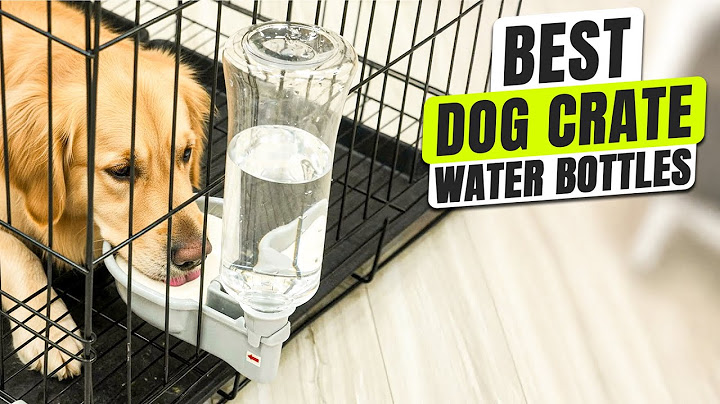
Crate-mounted bowls attach to bars or a panel with a bracket. They preserve familiar lapping but may spill if loosely fitted or hit by paws. Compare the dog's normal drinking style with what each mechanism requires. If an animal has mobility issues, a short muzzle, dental pain, or learning difficulties, favor a readily accessible, familiar option and consult a veterinarian when appropriate.
Check the crate before buying the bottle
Measure bar spacing, panel thickness, the location of doors and latches, and the space where the dog turns around and rests. An attachment must not narrow the crate so much that the dog cannot stand, turn, lie down comfortably, or move without bumping hardware. Avoid sharp clamps, protruding bolts, and loose small parts that could be chewed or swallowed.
Install the unit away from bedding when possible. A leaking spout can wet bedding, create discomfort, and be difficult to detect from outside. A bottle mounted too high can force awkward neck extension; too low can invite chewing or contact with paws. The correct level allows the dog to drink in a relaxed, natural position. Always follow the crate and bottle manufacturers' compatibility instructions.
Teach the drinking mechanism before depending on it
Never assume that a dog will discover how a lick valve works during confinement. Introduce the device while the crate is open, show that water comes out, and allow the dog to interact voluntarily. Confirm that you have actually seen the dog drink and swallow, not just lick the outside of a tube. Continue using a familiar water bowl while the dog learns.
If the dog seems confused, cannot trigger enough water, or avoids the spout, use a more accessible alternative. Do not restrict ordinary water access to force learning. The experience can differ from using a portable travel bottle that the owner tilts and offers during stops; those two categories should not be treated as interchangeable.
Leaks, blocked valves, and mounting failure
Before each use, test the spout over a sink or towel to make sure water flows properly and then stops without continuous dripping. Inspect the container for cracks, damaged seals, loose brackets, and chew marks. Some ball valves stick, while others leak after the mounting angle changes. A full reservoir means little if water cannot reach the animal through the outlet.
Check for damp bedding and unexpected drops in water level. If a bottle leaks, remove and repair or replace it rather than letting the crate stay wet. If it stops flowing, provide another water source immediately. Never rely on a single untested valve as the pet's only possible drinking option during a prolonged period in an enclosure.
Cleaning and daily monitoring
Empty and wash the bottle, cap, tube, and spout according to the manufacturer's instructions. Narrow tubes may need a designated brush. Avoid leaving residue in threaded joints or seals. Rinse thoroughly, dry when appropriate, and refill with fresh drinking water. As a general pet-water hygiene principle, the CDC recommends daily washing of bowls; an attached bottle also needs regular cleaning of every mouth-contact surface.
Inspect the crate regularly while the pet is using it. A person should verify that the animal is drinking, water is available, and the installation is not causing injury or distress. Crates are not substitutes for suitable supervision, activity, bathroom breaks, or care arrangements. A mounted bottle may solve a logistical problem, but it does not make extended unsupervised crating acceptable.
When a regular bowl or alternate setup is better
Some dogs reliably use a small attached bowl and never adapt to a spout. Others chew plastic bottles or repeatedly knock against mounting brackets. In those cases, change the setup instead of doubling down on the device. Choose a stable, secured bowl if that provides easier access and can be inspected and cleaned readily. If the dog spends time in a kennel rather than a household crate, check the facility's safety standards and individual needs.
If the underlying goal is automatically refilling a larger drinking supply outside the crate, an automatic dog waterer is a separate category. Select it based on its refill mechanism and access risks, not as a replacement for careful crate setup. The most responsible choice is the one that works for the specific dog in the specific enclosure.