Dog Water Bowls: How to Choose a Safe Everyday Bowl
Choose a dog water bowl by size, stability, material and cleaning needs. Compare stainless steel, ceramic and plastic without buying myths.
Dog Water Bowls: How to Choose a Safe Everyday Bowl
The best everyday dog water bowl is one your dog can reach easily, that stays put during drinking, and that you can wash thoroughly. A plain bowl may look less exciting than a fountain or automated dispenser, but it can deliver the essential job with fewer moving parts. The important choices are material, shape, capacity, placement, and cleaning—not a claim that one product makes water automatically healthier.
Start with the dog's drinking position
Watch the dog approach its current bowl. The rim should allow the muzzle to reach water without pressing uncomfortably against the sides. Large dogs may prefer a broad opening; tiny dogs can struggle with deep, narrow containers. Dogs with short faces or neck limitations may need a shallower and more accessible design. If the bowl slides during lapping, a rubber base or stable mat can improve use more effectively than changing its material.
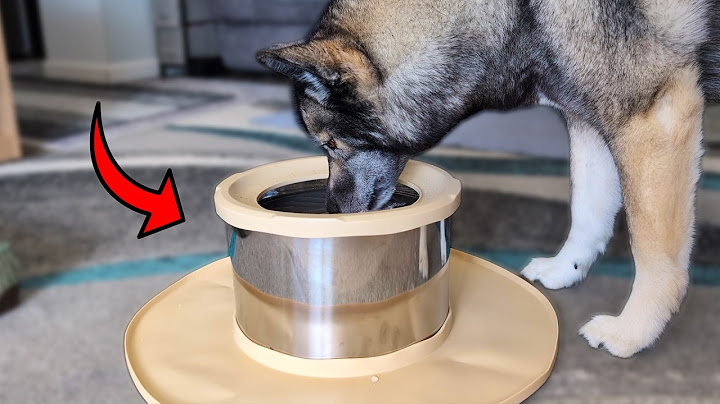
A bowl does not need to be huge to be suitable. It needs to hold enough water between frequent checks while remaining practical to empty and wash. In households with puppies or seniors, consider how easily the animal can reach it even when tired or unsteady. A second bowl in another familiar area may be more helpful than simply buying a larger first bowl.
Stainless steel, ceramic, and plastic compared
Stainless steel is a common low-maintenance choice: smooth surfaces generally clean easily, and many bowls are dishwasher-safe if the manufacturer says so. A weighted or rubberized base can reduce movement. Look for rounded interior corners and edges that will not catch dirt or scratch the dog. Not every steel bowl is equal; thin bowls can dent and bases can trap debris.
Glazed ceramic can be heavy and stable, but inspect its glaze and edges for cracks or chips that can harbor residue or cause injury. Confirm that the product is intended for food and water contact and that cleaning instructions are clear. Plastic may be lightweight and economical; scratches and worn seams can make it harder to scrub. Replace items that are visibly degraded, regardless of their material. None of these choices removes the need for daily washing.
Depth, stability, and the true meaning of capacity
A bowl's advertised capacity is the amount it can hold under certain conditions, not a promise that every dog can comfortably drink until the last drop. Wide bowls offer generous access but occupy more space. Taller, narrow bowls may conserve floor area but make lapping harder for a broad-faced dog. Fill the container with an amount that leaves room below the rim so everyday movement does not cause overflow.
A low center of gravity, nonslip bottom, and flat floor can reduce tipping. If your dog nudges or paws at the water, an intentionally no-spill water bowl may help reduce mess, although it introduces other tradeoffs. Do not sacrifice drinking access for a perfectly dry floor. Observe the pet, not just the product listing.
Where to put water bowls in the house
Place water where a dog can reach it without navigating a closed door or crowded hallway. Many homes benefit from water near the primary living area and another station where the dog rests, especially when stairs or mobility limitations are involved. Avoid direct sunlight and places where litter, cleaning chemicals, dirt, or food scraps are likely to contaminate the water.
In multi-dog homes, watch for resource guarding. A confident dog may block a shy dog from approaching a shared station; adding bowls in separate quiet areas can help. For outdoor-access dogs, check that water cannot freeze, overheat, tip, or collect debris. Our heated dog water bowl guide covers cold-weather freeze prevention separately.
Wash, refill, and replace: a realistic routine
The CDC recommends cleaning water bowls every day. Empty old water, wash with soap and water, scrub around edges and underneath nonslip parts, rinse away all residue, and let the bowl dry or dry it with a clean towel. Refill with fresh, appropriate drinking water. Wash more often when you see food crumbs, saliva film, or dirt. Use the dishwasher only when the maker labels the bowl dishwasher-safe.
Inspect for cracking, flaking coating, exposed sharp edges, persistent odors, and loose rubber feet. A stained or scratched vessel may need replacement if it cannot be cleaned effectively. If your dog suddenly avoids a familiar bowl, first check freshness, positioning, and comfort; a new aversion with other symptoms may warrant a veterinary call. Buying an expensive bowl is not a substitute for this care.
When a fountain or automatic waterer is worth considering
An electric dog drinking fountain is worth considering if the dog seems drawn to flowing water and the household can maintain a pump and filters. An automatic water dispenser addresses refilling, not necessarily moving water or reducing splashes. Those products are alternatives, not upgrades that every dog needs. A conventional bowl remains an important backup whenever an appliance is unavailable.
A useful shopping checklist is short: comfortable opening, stable base, cleanable material, accessible placement, and appropriate capacity. If a bowl satisfies all five and your dog drinks comfortably, there may be no reason to complicate the setup.