Elk Sounds Explained: Bugling, Mewing and Warning Calls
Learn how elk communicate through bugles, mews and alarm calls, and when these sounds are commonly heard in the wild.
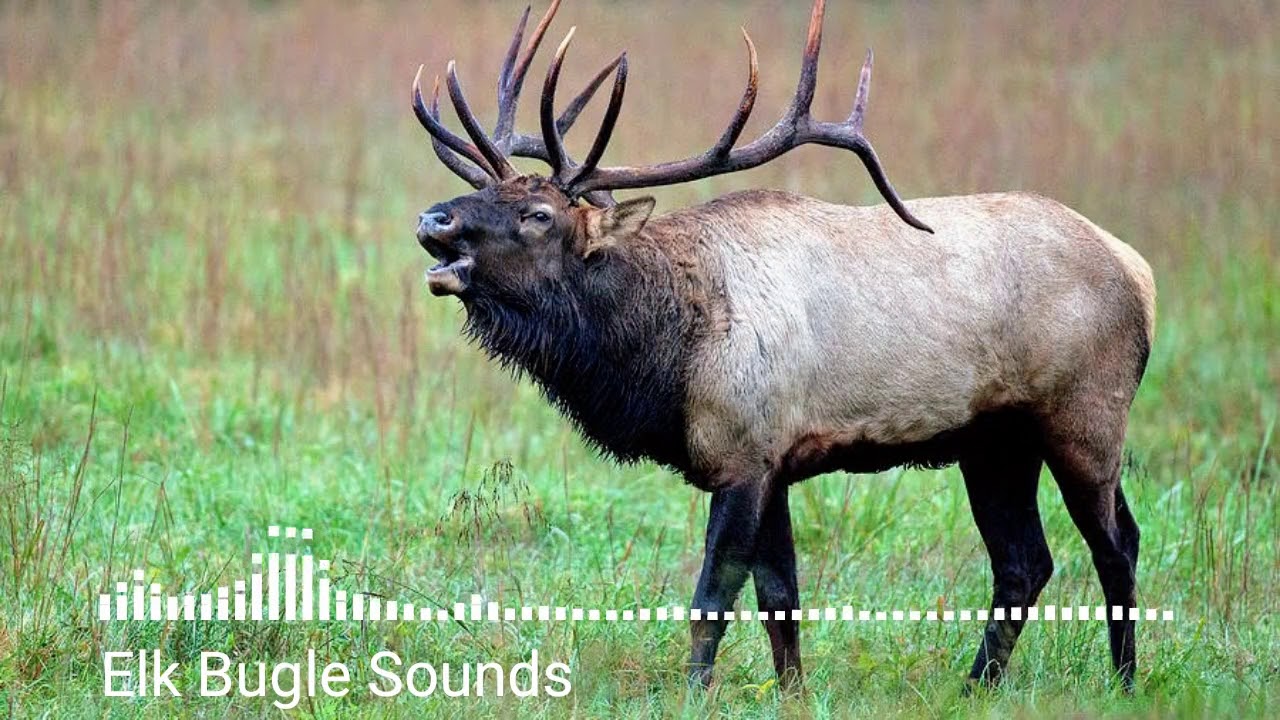
Elk communicate through more than one memorable noise. The loud, rising call most people recognize is a bull elk's bugle during the breeding season, or rut. Elk also make shorter sounds such as grunts, mews, and alert barks. The meaning depends on the animal, the context, and its behavior. Listening at a safe distance can reveal part of what a herd is doing, but the sound alone rarely tells the entire story.
Bugling: the signature sound of a bull elk
A bull elk's bugle often begins as a high, ringing note and may end with a series of lower grunts. During the fall rut, bulls use these calls to communicate presence and condition to other elk, including competing males and potential mates. National Park Service listening guidance explains that bugles become especially noticeable from September through October in many parks. The exact timing varies by location, weather, and herd behavior. A distant answering bugle may sound thinner or quieter because of terrain and distance, not necessarily because the second animal is smaller.
Mews, chirps, and other quieter herd calls
Cows and calves often communicate with softer, shorter calls commonly described as mews or chirps. These can help herd members maintain contact, especially when vegetation or distance blocks their view of one another. A low grunt may occur during close interactions. Human words such as “mew” and “grunt” are useful approximations, not standardized translations that establish one fixed meaning in every case. Watch the surrounding behavior: is the animal moving toward others, reacting to disturbance, or simply remaining in the group? Context makes the description more informative.
Barks and warning behavior
A sharp bark-like call can occur when elk are alert or disturbed. It is a mistake to hear a bark and decide that it is safe to move closer for a photograph. Wildlife can react suddenly even when it looked calm a moment earlier. Ears, body orientation, group movement, and nearby calves may provide additional clues, but visitors should never treat those cues as a license to approach. During the rut, bulls may be particularly unpredictable and protective of their space. The responsible response is to give animals ample room and move away if their behavior changes.
Where and when to listen
Elk often become active around dawn and dusk, and a quiet pullout or park-designated viewing area can be better than walking toward the noise. Wind Cave National Park, for example, describes listening for bugling elk in the fall and advises visitors to remain still and allow time for distant calls. Conditions vary by region; a sound heard in one valley may be difficult to locate in wooded terrain. Use park information about current closures, safe viewing locations, and recommended distances rather than following a recording or sound into an off-limits area.
How to listen without disturbing wildlife
Keep a substantial distance, remain on permitted trails or viewing areas, and follow the particular park's wildlife rules. Never feed elk or step between animals. Avoid calling, playing recorded bugles, or attempting to provoke a response; mimicking calls can interfere with normal behavior. Stay aware of roads and low-light conditions, especially if you are listening before sunrise or after sunset. Binoculars make a distant herd more interesting without creating pressure to approach. If an animal changes its behavior because of your presence, you are too close.
Elk names and a listening cheat sheet
An adult male elk is called a bull, an adult female a cow, and a young elk a calf. A bugle is most strongly associated with a rutting bull; softer calls and grunts can occur in different social situations, and an alert bark signals a reason to stay back. The categories are useful for describing observations without claiming to decode each sound perfectly. If you are also learning the terms used for male animals in other species, consult the separate animal-name glossary rather than mixing the two topics into a single list.
Key takeaways
Bugle: prominent fall mating-season call, especially from bulls.
Mew/chirp: quieter contact-type calls.
Bark: can indicate disturbance or alertness.
Never approach rutting elk to improve a recording or photo.
Related reading
For the meaning of bull, ram, and other male animal terms, see the male animal names glossary.