What Do You Call Male Animals? Names by Species
Understand male animal terms such as bull, ram and drake, with species examples and common exceptions.
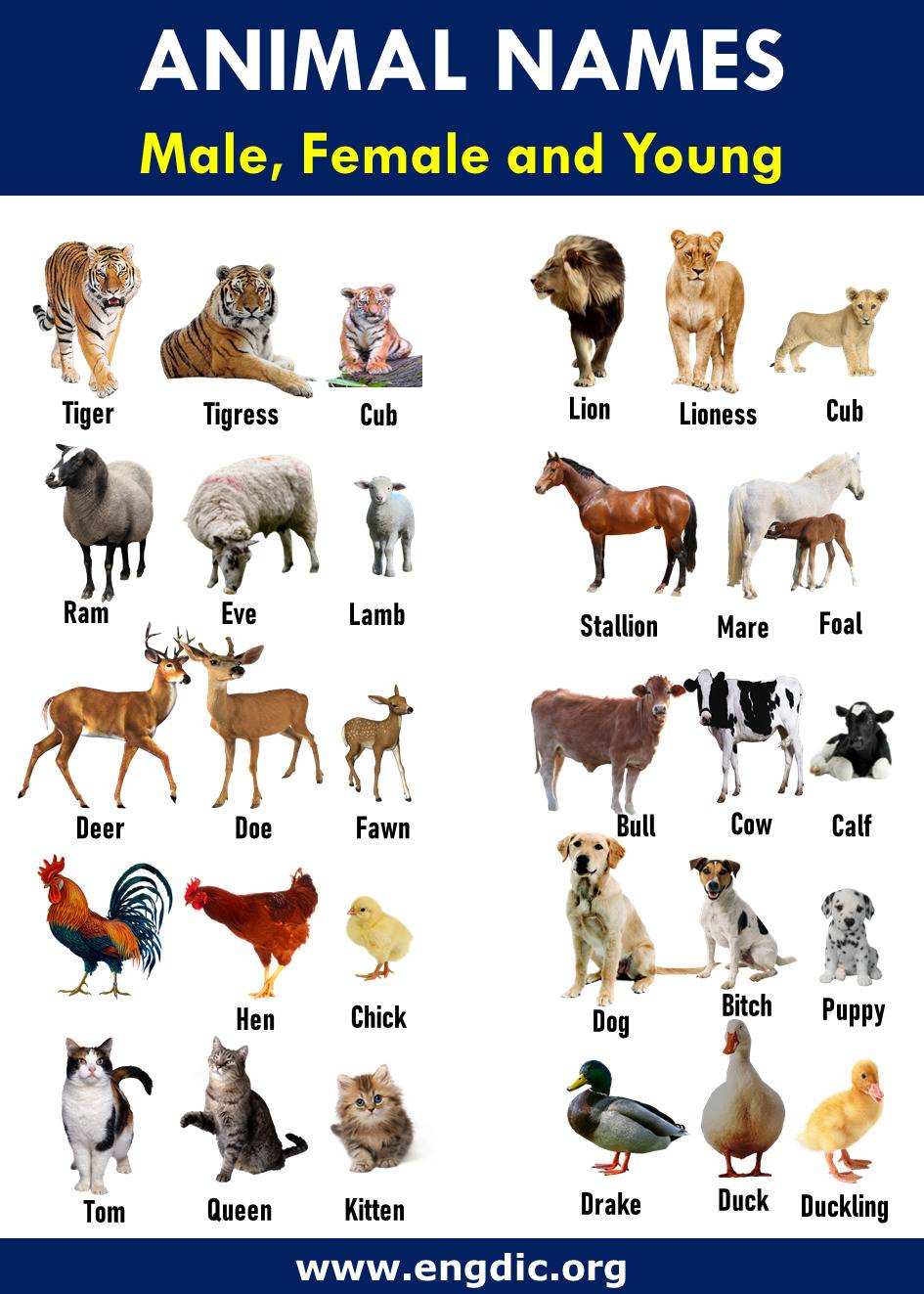
The word for a male animal changes with the species. A male sheep is a ram, a male duck is a drake, and a male horse is a stallion if he is not castrated. Other terms, such as bull or buck, are shared across several animal groups, so they need context. Knowing the difference between sex, age, and reproductive status makes these names far more useful than a list of disconnected trivia.
Common names for male animals
Here are familiar pairings: cattle—bull; sheep—ram; goat—buck or billy; deer—buck or stag, depending on species and usage; horse—stallion; pig—boar; duck—drake; chicken—rooster or cock; goose—gander; and elk—bull. Many species simply use “male” followed by the species name, particularly where no widely standardized English term exists. Regional and agricultural traditions can vary. Be careful with generic lists that declare “bull” the male of every large mammal, or “buck” the male of every hoofed species: those shortcuts are wrong.
Male cattle: bull, steer, and calf are not synonyms
An adult intact male bovine is a bull. A steer is generally a castrated male bovine, and a calf is a young bovine of either sex. The word cow commonly refers to an adult female, while a heifer is a young female that has not yet calved. These terms combine sex, age, and reproductive status; they are not interchangeable. Livestock records and farm conversations depend on these distinctions, which is why “male cow” is an imprecise phrase when a speaker actually means a bull or steer. A young calf is not automatically a bull just because it is male.
Rams, bucks, boars, and stags
A ram is a male sheep; the term does not describe every male animal with horns. Bucks are male goats and commonly male deer, although “stag” is also used for certain deer. A boar is an intact male pig and also appears in the common name “wild boar,” so context matters. These naming systems evolved in farming and hunting traditions rather than from one universal scientific rule. Modern wildlife writing often chooses “male” for clarity if a term would mislead readers. When in doubt, use “male [species]” instead of guessing a special term.
Bird terms: drake, rooster, and gander
A drake is a male duck, a gander is a male goose, and a rooster is a male chicken. They are species-group terms rather than casual nicknames. A duckling, gosling, or chick is a young bird and is not a male designation. In casual speech, people sometimes call any poultry bird “a chicken,” but barnyard terminology becomes much clearer when you distinguish species, sex, and age. For wild birds without a commonly used sex-specific term, “male” and “female” are usually the clearest choices.
Wildlife terms and why context matters
An elk bull is an adult male elk, which explains why park guides discuss “bull bugles” during the fall rut. Many antelope species also use bull or buck, but naming practices differ among animals. Some marine mammals use “bull” for males and “cow” for females, yet this is not a rule for all species. For a school project, make a two-column chart with the specific animal and its commonly used male term, and add a note where the terminology varies. This avoids treating English common names as formal taxonomic categories.
A simple glossary that stays accurate
When preparing a quiz or reference list, verify the species first, then check whether the word marks sex, age, castration status, or an entire group. A ram and a drake are both male animals, but a calf and a duckling refer to young animals of either sex. For everyday conversation, “male deer” is better than a confident but incorrect term. If you are curious why a male elk is called a bull or how his calls sound during breeding season, the separate guide to elk sounds explains that specific behavior in depth.
Key takeaways
Bull: adult intact male cattle; also used for male elk.
Ram: male sheep; drake: male duck; gander: male goose.
Steer describes castration status, not a separate species.
Calf, lamb, and duckling refer to age, not male sex.
Related reading
To learn what a bull elk sounds like during the rut, read our guide to elk vocalizations.