Transducer: How It Works, Development and Uses
Understand transducer with clear definitions, examples, scientific context, and notes on common misunderstandings.
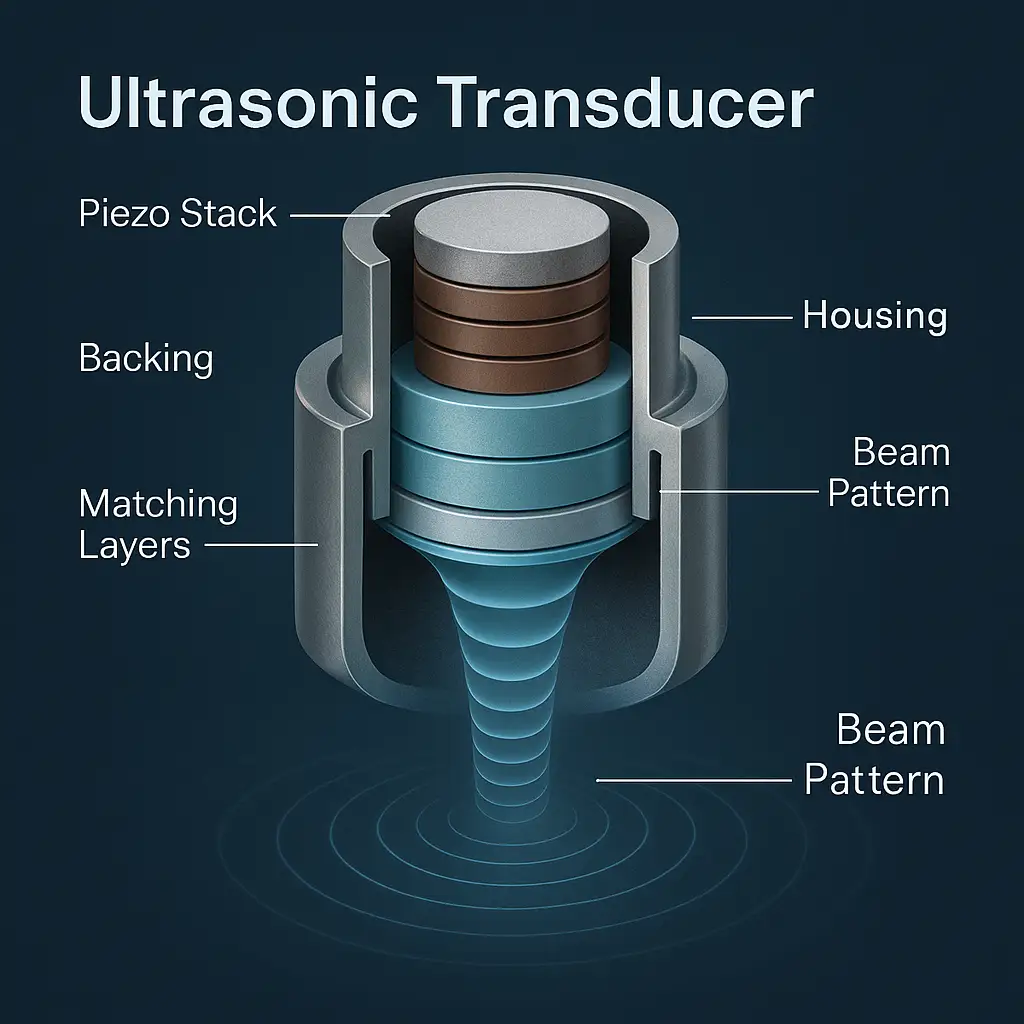
Transducer: How It Works, Development and Uses
A transducer converts one form of energy or physical signal into another for sensing, actuation, or communication.
A useful way to understand this topic is to separate the underlying idea from a worked example and from the limits of the explanation. Engineering descriptions begin with a function: what enters a system, what happens inside, and what result it must produce. Different designs can perform the same job using different mechanisms.
How it works
Sensors may turn pressure or temperature changes into electrical signals; actuators may convert electrical input into mechanical movement.
The mechanism matters because it explains the observation rather than just naming it. Different conditions can change the outcome, so a good explanation states which variables or assumptions matter.
An example in context
A microphone converts sound pressure changes into an electrical signal, while a loudspeaker performs a related conversion in the opposite direction.
This example is best treated as a specific case, not an all-purpose rule. Consider which details of the example would need to remain the same for the comparison to be sound.
What the term should not be confused with
Not every transducer is a sensor. The term includes devices producing physical output as well as measuring it.
These boundaries help keep this page focused. Related subjects may overlap, but a shared word or superficially similar appearance is not sufficient evidence that two concepts are equivalent.
Why the distinction matters
Design calculations, instrument calibration, prototypes, historical records, and real-world testing help distinguish an explanation from an appealing but untested story.
For readers, the practical lesson is to ask what is directly observable, what is inferred from a model, and which further evidence would help separate competing explanations. In this topic, the example above illustrates why that difference can matter.
Common mistakes and limitations
Accuracy and calibration depend on the particular transducer, its working range, and the environment.
Performance depends on materials and operating conditions. A conceptual explanation should never be mistaken for a construction, electrical, or machinery safety procedure.
Frequently asked questions
What is Transducer? A transducer converts one form of energy or physical signal into another for sensing, actuation, or communication.
What is a clear example? A microphone converts sound pressure changes into an electrical signal, while a loudspeaker performs a related conversion in the opposite direction.
What is a common misconception? Not every transducer is a sensor.
Continue exploring
Engineering and Invention — a broader topic overview.
Electric Furnace — a focused explanation of a related concept.
Two-Stroke Engine — a focused explanation of a related concept.
