Gaur: Habitat, Diet, Size, and Conservation of the Wild Cattle
Wild cattle classification, Asian forest habitat, diet, threats, and domesticated cattle distinctions.
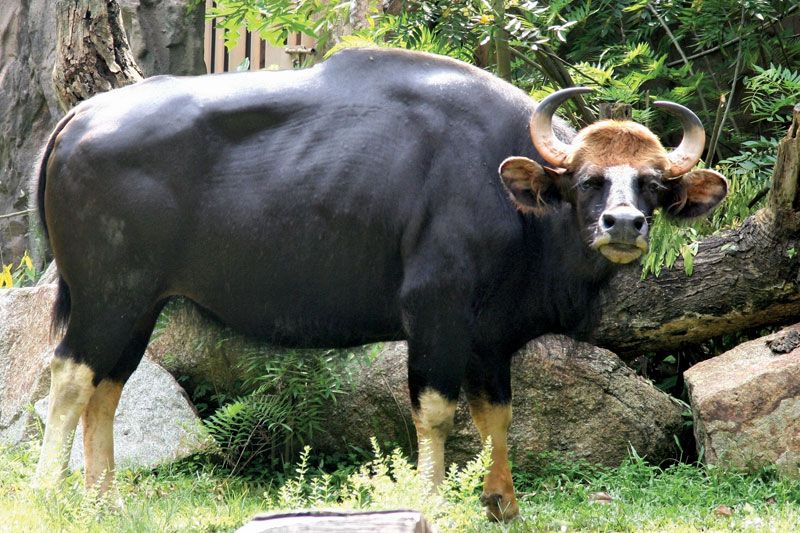
Gaur: Habitat, Diet, Size, and Conservation of the Wild Cattle
The gaur is a large wild bovine of South and Southeast Asia, not a breed of domestic cattle. This profile focuses on wild biology rather than pet ownership or livestock purchasing.
What makes it recognizable?
Its prominent shoulder ridge, muscular build and dark adult coat make it distinctive.
A field identification becomes stronger when body shape, geography and behavior agree. A single picture or a common name can be misleading, especially when young animals look different from adults.
Where does it live?
Gaur occupy forested landscapes and adjoining clearings. Protected habitat and movement between feeding areas matter more than any one type of forest.
A habitat description should distinguish the animal’s full geographic distribution from the particular places it uses during feeding and breeding.
Diet and ecological role
They graze on grasses and browse leaves, shoots and other vegetation. Their feeding connects open patches and wooded areas in the same landscape.
The relationship between feeding and habitat is two-way: animals select foods, and their movement can influence vegetation and other wildlife.
Behavior and reproduction
Groups often include females and young, while adult bulls may be solitary or join groups seasonally. Calves depend on mothers in habitats shared with large predators.
Researchers distinguish typical social patterns from short observations. A group seen at one moment does not necessarily represent the species’ permanent social system.
Conservation and common misconceptions
Its prominent shoulder ridge, muscular build and dark adult coat make it distinctive.
Good conservation writing separates verified population trends from a list of possible pressures. Local land management can matter even when a species remains present across a wide geographical range.
Unlike domestic cattle, gaur are wild forest-associated bovines that must be understood in the context of connected habitats. Their size and horn structure do not make them a straightforward substitute for livestock in a field guide.
How to read wildlife evidence
Look for multiple diagnostic traits before making an identification. Individuals may show differences caused by sex, age and local conditions. No current global threat status is asserted here without checking a current assessment. For editorial publication, confirm the exact species and assessment date.
Observe wild mammals from a safe distance and never treat a species profile as handling or pet-keeping advice.
Quick takeaways
Gaur occupy forested landscapes and adjoining clearings.
They graze on grasses and browse leaves, shoots and other vegetation.
Habitat fragmentation, hunting and disease transmission from livestock are recurring management concerns.
Frequently asked questions
What is Gaur?
The gaur is a large wild bovine of South and Southeast Asia, not a breed of domestic cattle.
Where is it found?
Gaur occupy forested landscapes and adjoining clearings.
What does it eat or how does it feed?
They graze on grasses and browse leaves, shoots and other vegetation.
