Ha Long Bay: Location, Karst Landscapes and Geography
Ha Long Bay: Location, Karst Landscapes and Geography Explore evidence-based facts, context and common misconceptions.
Ha Long Bay: Location, Karst Landscapes and Geography
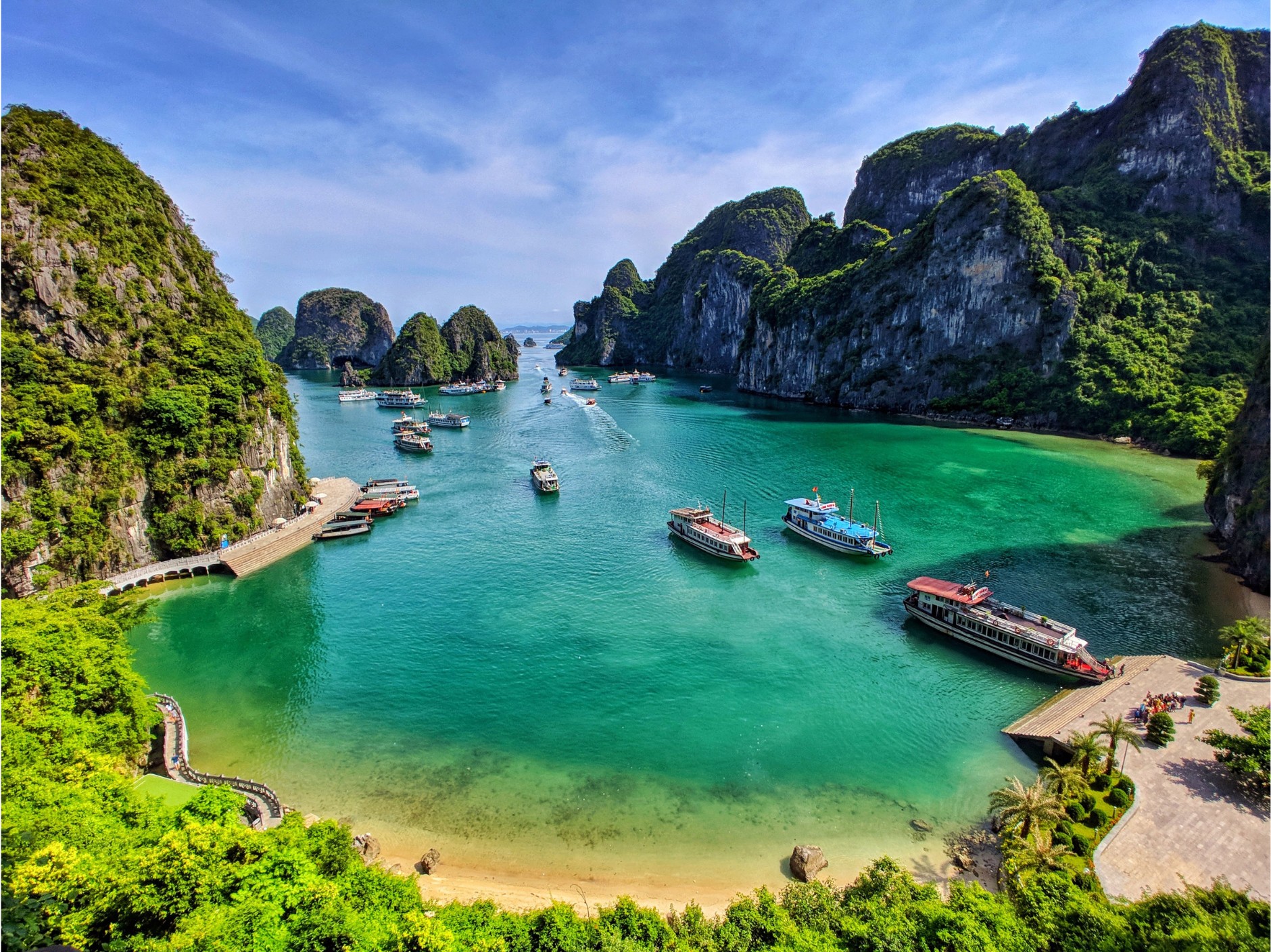
Ha Long Bay is a coastal area in northeastern Vietnam known for thousands of limestone islands and steep karst formations. Its landscape developed through long geological processes involving marine conditions, uplift, and dissolution of limestone.
The essentials
Vegetation, caves, tidal waters, and isolated island habitats contribute to the bay’s distinctive scenery and ecology. The formations are not piles of rocks placed by a single volcanic event.
What makes this subject distinctive
The bay is sometimes described only as a tourism destination, but its scientific interest lies in the evolution of tropical marine karst and human interactions with coastal environments.
Different maps can emphasize different features: a political border, an oceanic boundary, an ecological zone, or a navigational route. A useful explanation specifies which question the map answers instead of assuming every map must draw the same line.
Common misconceptions and limits
Visitor conditions and access rules change; a geography article should avoid claiming current prices or transport timetables without fresh verification.
Geographic terms operate at different scales. A mountain, ocean region, biome, country, and river basin may be shown together on a map, but each follows different conventions. Reliable explanations specify the spatial scale before comparing figures or locations.
What changes over time
Rivers erode, climates vary, settlements grow, and land use changes. Long-term geography can often be explained without current travel information, but statistics about access, tourism, or conservation should be checked for their date and source.
Key points at a glance
Ha Long Bay is a coastal area in northeastern Vietnam known for thousands of limestone islands and steep karst formations.
Vegetation, caves, tidal waters, and isolated island habitats contribute to the bay’s distinctive scenery and ecology.
The bay is sometimes described only as a tourism destination, but its scientific interest lies in the evolution of tropical marine karst and human interactions with coastal environments.
Frequently asked questions
What is the key geographic fact?
Ha Long Bay is a coastal area in northeastern Vietnam known for thousands of limestone islands and steep karst formations.
Why is the setting important?
Vegetation, caves, tidal waters, and isolated island habitats contribute to the bay’s distinctive scenery and ecology.
What definition or measurement needs care?
Visitor conditions and access rules change; a geography article should avoid claiming current prices or transport timetables without fresh verification.
Explore related guides
Natural Landmarks and World Geography: Maps, Landscapes and Formation
