Haddock Fish: Habitat, Appearance, Diet, and Fisheries
Haddock Fish. Distinguish haddock from cod, describe benthic diet and North Atlantic.
Haddock Fish: Habitat, Appearance, Diet, and Fisheries
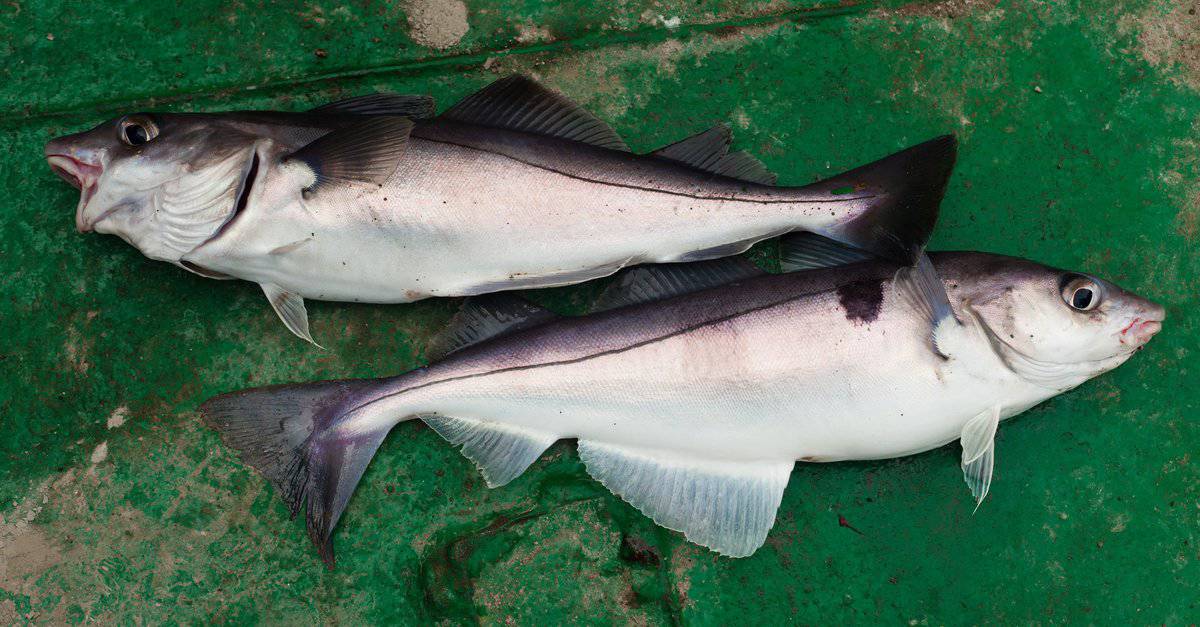
Haddock, Melanogrammus aeglefinus, is a North Atlantic member of the cod family.
Haddock versus cod
The dark “thumbprint” behind the pectoral fin and a dark lateral line help distinguish it from Atlantic cod. It also has a small chin barbel, but markings, body proportions, and location should be considered together.
Where haddock feed
Haddock live near the seabed on continental shelves, including the northwest and northeast Atlantic. Their diet includes bottom-dwelling invertebrates such as worms, small crustaceans, and mollusks, with fish taken at times. They use sandy or gravelly habitats at depths that vary by age, region, and season.
Spawning and life cycle
Haddock release eggs into the water, where early life stages drift before juveniles adopt more bottom-oriented habitat. Recruitment can vary substantially from year to year because survival depends on ocean conditions and predation. A single large catch in one season therefore says little about the long-term health of a stock.
Fishery questions
Haddock is a commercially important seafood species. US management and stock condition vary by region and can be updated after new assessments. If comparing seafood choices, check the actual catch region and current NOAA FishWatch information rather than labeling all haddock fisheries sustainable or unsustainable.
A practical cod-family comparison
Haddock, cod, and pollock are all North Atlantic relatives and can appear together in seafood or fishing reports. A haddock’s dark lateral line and the dark patch near its pectoral fin are useful visual clues. Cod often show a pale lateral line, although individual color varies. Pollock tends to have a different body shape and lower-jaw profile. Labels on packaged fish should identify the species and country or fishery origin; the common name “whitefish” is much broader and cannot substitute for species identification.
Observe the habitat, not just the name
A reliable identification should combine the animal’s range, habitat, appearance, and behavior. A common name or single photograph may hide several similar species. Water temperature, depth, and season can also change what an observer finds. For information about conservation or harvest rules, consult the authority responsible for the specific species and area.
Putting scientific names and ranges in context
Marine populations can move, change with ocean temperature, or contain closely related species that are hard to tell apart. When an article describes a habitat or food-web role, treat it as a typical pattern rather than a promise about every individual. Conservation and seafood guidance are also distinct: a species can have biological importance while regional fishing rules and consumption advisories vary independently. Check the latest species-specific agency material before acting on either.
Frequently asked question
How can I tell haddock from cod?
Look for the dark shoulder patch and lateral line, then confirm shape, range, and other markings.
