Hamster Playpen: How to Set Up a Safe Exercise Area
Set up a hamster playpen for supervised enrichment with secure boundaries, hiding places and floor-safe materials.
Hamster Playpen: Safe Supervised Playtime
A hamster playpen is a supervised exploration area outside the permanent enclosure. It can provide fresh textures, safe tunnels and opportunities to forage, but it should never be sold to owners as a substitute for an adequately sized home cage. The best playpen feels predictable and secure from the hamster's point of view, with a place to hide and no easy escape routes.
What a playpen can and cannot do
A playpen adds optional exercise and variety while the owner watches. It does not replace the animal's primary space for deep bedding, sleeping, food storage and overnight activity. A hamster should be able to meet basic welfare needs in its own enclosure even when there is no time for playpen use on a particular evening.
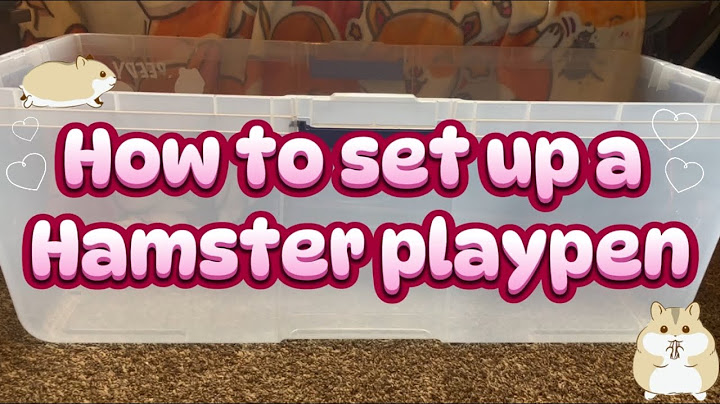
Hamsters are often most active after dusk. Schedule optional play when the animal is naturally awake rather than waking it for a human convenience. Start with short, calm sessions and watch whether it chooses to explore or retreat.
Secure walls, corners and flooring
Choose tall smooth walls that cannot be climbed or squeezed through. Pay special attention to folded seams, mesh spacing, door latches and gaps under furniture. Dwarf hamsters can exploit very small openings, while Syrians may push against a weak panel. An enclosed bathroom or a large rigid plastic pool can be adaptable only when fully free of dangerous gaps and materials.
Use solid, level flooring with traction. Avoid loose fabrics with long threads that can snag nails and surfaces treated with strong cleaning fragrance. Never leave the hamster inside a pen perched on a table, bed or other elevated place.
Remove household risks before the hamster enters
Clear electrical cords, rubber items, toxic houseplants, cleaning agents, small plastic pieces and open drains. Keep cats, dogs and curious children away from the area. Check that there is no route behind an appliance or through a baseboard gap. Close doors before transferring the hamster.
Supervision means staying close enough to intervene promptly, not watching from another room. A determined hamster can chew an opening or climb a temporary obstacle faster than expected.
Add familiar hides and simple enrichment
Place a house or cardboard shelter the hamster recognizes, two safe tunnels, a small digging or foraging box and water if the session is not brief. Avoid an open expanse with no shelter: a prey animal may freeze rather than enjoy exploring. Use lightweight safe items that cannot topple onto the animal.
Introduce one or two new textures at a time and observe preferences. Scatter a little of the normal food ration in clean paper or a foraging area; do not turn every session into an oversized treat meal.
Move and handle the hamster gently
A hamster that has learned to enter a familiar cup or travel container may be transferred more safely that way than by grabbing it suddenly. Keep hands low, avoid squeezing and allow the animal to choose whether to come out. Do not chase it around the pen to end the session; encourage it into a known shelter or cup.
If it repeatedly tries to escape, hides without emerging or shows obvious distress, end the session and reassess the setup. Not every hamster enjoys out-of-enclosure handling equally, and that variation should be respected.
Why exercise balls are not a substitute
Blue Cross and Woodgreen advise against hamster exercise balls. Their enclosed design can restrict access to water and shelter, create ventilation concerns and trap feet near openings, while preventing the hamster from choosing a safe route. A supervised secure pen offers more control and opportunities to hide.
After play, return the hamster to its normal enclosure and clean the pen, allowing it to dry before storage. Check for chew damage or loosened joints before the next session.
Frequently Asked Questions
Can I leave a hamster alone in a playpen? No. Out-of-enclosure play needs active supervision and an escape-proof environment.
Does playpen time make a small cage acceptable? No. The permanent habitat must independently provide enough space and bedding.
Are exercise balls a good alternative? No. Major hamster welfare organizations recommend avoiding exercise balls.
What should I put in the pen? Familiar hides, safe tunnels, a small foraging activity and water when appropriate.
When should I schedule playtime? When the hamster is naturally awake and receptive, commonly in the evening.
Related Hamster Guides
Syrian Hamster Cage · Dwarf Hamster Cage · Hamster House · Hamster Chew Toys