Syrian Hamster Cage: A Practical Setup Guide
Set up a Syrian hamster enclosure with adequate continuous space, deep bedding, a proper wheel, secure ventilation and hideouts.
Syrian Hamster Cage: A Practical Housing Guide
A Syrian hamster needs more than a compact cage with colorful accessories. The first buying decision is a spacious, secure enclosure with an uninterrupted floor, enough depth for real burrowing, and room for a properly sized wheel. Syrian hamsters are active, powerful diggers and capable escape artists. A good enclosure makes those natural behaviors possible without relying on stacked platforms or narrow tubes to create the appearance of extra space.
How much space does a Syrian hamster need?
Use a continuous internal floor area of at least 100 × 50 cm (approximately 39 × 20 inches) as a practical welfare benchmark, and choose larger if space and budget allow. This is guidance from organizations such as Blue Cross and Woodgreen, not a universal US legal requirement. Measure the usable base inside the enclosure, because thick walls, rounded corners and fittings may reduce usable space. A row of narrow tubes or an upper shelf does not substitute for a generous floor footprint.
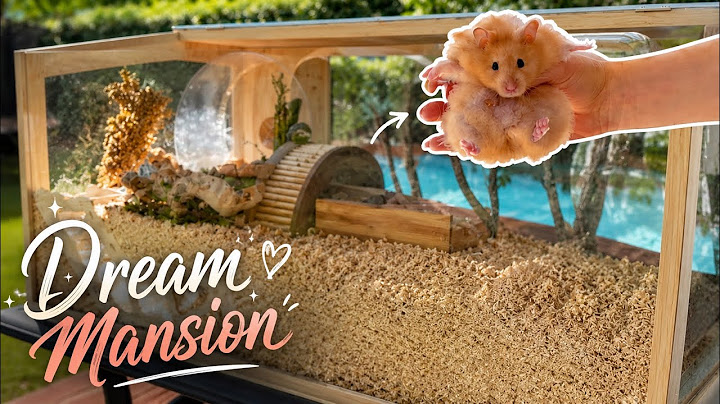
Height matters too, but mainly because the enclosure must fit deep bedding and a tall wheel without creating a dangerous fall. Avoid judging the cage by its advertised number of stories. A Syrian hamster benefits more from an expansive level with places to burrow, forage and hide than from a tower of small platforms.
Plan for burrowing depth before buying
Blue Cross recommends at least 20 cm of suitable digging substrate; PDSA recommends at least 25 cm. Aim for a substantial continuous deep-bedding area and a material that can hold stable tunnels. Paper-based bedding and suitable low-dust mixes can work, while fluffy cotton nesting products should be avoided. The depth stated on a product page is not necessarily achievable once a wheel, lid and furniture are installed.
A cage with a shallow plastic tray may spill substrate through its bars. A tank-style enclosure or a suitably deep base can make bedding retention easier. Keep heavy ceramic dishes, wheels and hides on stable supports rather than resting directly on unstable loose bedding that may collapse over a burrow.
Choose a wheel that allows a straight back
Many cages advertised for Syrian hamsters include wheels that are far too small. Blue Cross suggests roughly 27–32 cm (about 11–12.5 inches) for Syrians; the critical check is whether the hamster can run naturally without arching the back or lifting the head. Choose a solid, continuous running surface without wire rungs. Ensure the wheel spins freely and cannot topple during vigorous use.
Reserve sufficient height above a stable mounting area before choosing the enclosure. Buying a small cage and hoping to squeeze in a large wheel later often results in compromised bedding depth or awkward platforms.
Compare tanks, barred cages and custom enclosures
A large glass tank with a secure ventilated mesh lid can contain deep bedding and make escapes less likely, but it is heavy and needs reliable airflow. A large barred cage may offer good ventilation and side access, but the tray must be deep enough to retain substrate and the spacing must prevent escapes. A carefully built enclosure can work if all materials, edges, ventilation panels and closures are safe for a persistent chewer.
Check doors, latches, gaps around cable ports and the lid after installation. Avoid wire flooring, sharp edges, poorly ventilated plastic boxes and tall narrow cages marketed as 'deluxe' simply because they have extra tiers. No specific product is endorsed here without dimensions and materials being checked.
Arrange a useful layout without crowding
Start with one deep-bedding zone, a stable upright wheel, two or more hides, a place for clean water and an accessible sand bath. A multi-chamber hide can provide a dark sleeping area and food storage space. Wide cork or cardboard tunnels inside the main enclosure are valuable enrichment when their entrances are large enough for a hamster carrying food in its cheek pouches.
Keep easy routes between resources and avoid shelves with exposed drop-offs. Provide opportunities to scatter-feed safely and investigate different textures without removing the basic free floor area. Most Syrian hamsters should be housed alone; social housing carries serious fighting risk.
Buying checklist and common red flags
Before paying, record usable interior width and depth, floor type, mesh or bar spacing, maximum substrate depth, wheel clearance, cleaning access and the security of every closure. Ask whether the manufacturer's image shows accessories at realistic scale. If the cage is sold with a tiny wheel or only a few centimeters of bedding, budget for replacement equipment rather than assuming the bundle is complete.
A good upgrade plan prioritizes enclosure size and deep substrate first. Decorative bridges and extra toys should come later. If the hamster persistently tries to escape or shows repetitive bar-biting, review the entire environment rather than treating a single toy as a guaranteed fix.
Frequently Asked Questions
Is a 20-gallon aquarium big enough for a Syrian hamster? Do not rely on the gallon label. Check the internal floor footprint; many tanks fall short of the 100 × 50 cm welfare benchmark.
Can I use a wire cage? Yes, if the base is spacious and solid, bar gaps are secure, the tray retains deep bedding and climbing risks are managed.
Do Syrian hamsters need a second floor? No. Safe, continuous floor area and burrowing room matter more than a second level.
What is a suitable wheel size? Blue Cross lists about 27–32 cm for Syrians, but verify a straight back and safe running posture in the individual hamster.
Can two Syrian hamsters share one cage? House Syrian hamsters individually. They are territorial and serious fighting can occur.
Related Hamster Guides
Dwarf Hamster Cage · Hamster Bedding · Hamster House · Hamster Cage With Tubes