Hamster Sand Bath: Materials and Safe Setup
Choose a hamster sand bath container and appropriate clean, dust-free sand, with advice on placement and maintenance.
Hamster Sand Bath: Safe Setup and Sand Choices
A hamster sand bath is a shallow dish of suitable sand used for rolling, grooming and exploring. It should feel like a safe, accessible area of the enclosure—not a dusty powder treatment and never a bath with water. A correctly chosen sand area can add an important texture to a hamster habitat, especially for Roborovski hamsters, while an unsuitable product can create avoidable dust or ingestion concerns.
Does every hamster need a sand bath?
Major hamster welfare organizations recommend providing a sand bath as part of a well-equipped enclosure. Hamsters may roll, dig, rest or choose the area as a toilet. Roborovski hamsters, which come from dry habitats, often make particularly frequent use of a broad sand area. Individual hamsters vary, however, so offer the option rather than forcing the animal to roll in it.
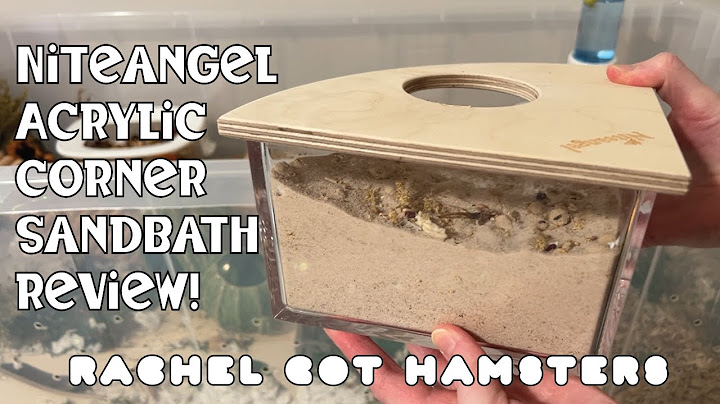
A sand bath belongs alongside deep bedding, hides, a suitable wheel and clean water. It should not take over the only usable walking floor, nor should it replace a stable burrowing area. A larger habitat makes it easier to provide all of these resources together.
Pick sand, not dusty bath powder
Choose a plain, fine-to-medium texture sold as suitable for hamsters, with minimal airborne dust. Avoid scented bathing powders, chinchilla dust, silica crystal litter, and clumping cat litter. Marketing words such as 'mineral' or 'natural' do not guarantee a safe product. If a product creates a visible cloud when gently poured, do not use it in the enclosure.
Check the composition and instructions before purchase and avoid products with additives or unknown chemical treatments. Some owners use appropriately selected children's play sand that has been screened and prepared, but suitability depends on the particular sand; it is safer not to assume every bag from a hardware store is ready for a pet.
Select a dish with room to turn
A heavy glass or ceramic dish with low, rounded edges makes a practical bath. The hamster should be able to enter easily, turn around, roll and leave without climbing a steep slippery wall. Syrians may require a larger dish than a dwarf hamster, while a Roborovski may appreciate a wider sand zone. Use stable support so the dish cannot crush a burrow beneath it.
Do not choose a tall enclosed bath with narrow holes solely to keep sand tidy. Poor access, cramped internal space and hard-to-clean corners undermine its usefulness. Keep the bath away from the water source and make sure escaped sand will not jam a wheel.
Set it up within the larger habitat
Position the dish on a flat area, a secure platform supported from the floor or another stable surface. It is fine to have some sand spill into a neighboring zone, but an excessive slope into the deep bedding can make cleanup difficult. Watch how the hamster uses it for a few evenings before moving it repeatedly.
If a hamster treats the sand bath as a toilet, that is not automatically a problem. It means more frequent sifting of soiled material and possibly a separate larger sand area for grooming. Do not use harsh deodorizing additives to compensate for waste.
Cleaning frequency depends on use
Remove droppings, damp patches and uneaten food as soon as they are noticed. Sift the sand where safe and replace it when it becomes wet, dirty, clumped or smelly. Wash and dry the container thoroughly before refilling, and monitor any cracks or sharp edges in glass or ceramic.
Keeping spare clean sand in a dry sealed container is useful, but avoid pouring dusty leftovers back into the habitat. A clean sand bath should not leave residue on the animal's eyes or nose after normal activity.
Skin issues are not a cue for water bathing
If the hamster develops hair loss, greasy fur, skin lesions, excessive scratching or a sudden change in grooming, consider a veterinary examination. Sand is enrichment and grooming support, not treatment for parasites, fungal infection or other skin disease. Water bathing can chill and stress a hamster and is not a routine solution.
Compare the sand's texture and dust level if symptoms began after a change of substrate. Keep photographs of the product label for the veterinarian, particularly if the ingredients are difficult to identify.
Frequently Asked Questions
Can a hamster use chinchilla dust? Avoid very fine chinchilla bathing dust; seek a low-dust sand suitable for hamsters instead.
Do Roborovski hamsters need more sand? They often use sand frequently, so a generous accessible sand area is particularly worthwhile.
Can I use clumping cat litter? No. Do not substitute clumping litter or silica crystals for bathing sand.
How often should the sand be changed? Remove soiled material promptly and replace the sand when damp, dirty or no longer hygienic.
Should I give my hamster a water bath? No routine water bath is recommended; ask a veterinarian about unusual coat or skin problems.
Related Hamster Guides
Hamster Bedding · Dwarf Hamster Cage · Syrian Hamster Cage · Hamster House