Hamster Treats: Better Rewards and Portion Basics
Choose occasional hamster treats, avoid overly sweet snacks, and use small rewards for foraging without replacing a balanced diet.
Hamster Treats: Better Rewards and Portion Basics
The best hamster treats are small, safe, and genuinely occasional. A reward may help a nervous hamster investigate a hand or make a foraging toy more interesting, but it should not displace a nutritionally complete daily diet. Because hamsters are tiny and often stash food rather than eat it immediately, human-sized portions are rarely appropriate.
First, separate treats from staple food
The main diet should be a properly balanced, species-suitable hamster food. A sunflower seed, a tiny vegetable piece, or a commercial snack can be a reward, but none is a complete meal by itself. If the hamster already receives a mixed ration, you may be able to reserve a favorite item from that measured portion as the day's enrichment reward. This can create motivation without automatically increasing calories.
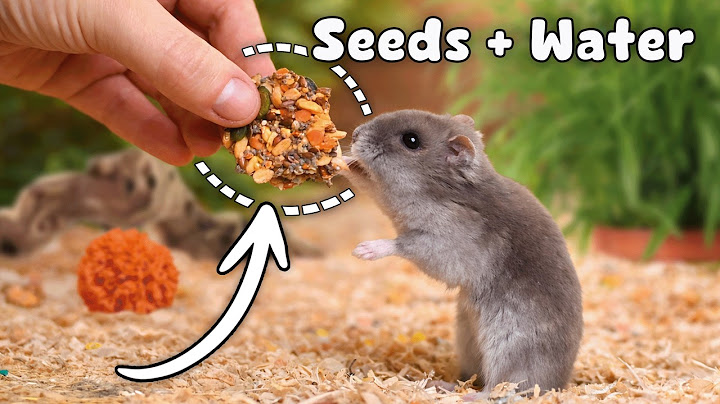
Read commercial packaging carefully. Terms like “natural,” “premium,” and “for small animals” do not guarantee appropriate sugar, salt, portion size, or ingredient safety for a hamster. An item marketed for rabbits or guinea pigs may not meet a hamster's dietary needs. When in doubt, ask an exotic veterinarian rather than guessing from the product photograph.
Better options for small rewards
A tiny bit of an appropriate fresh vegetable, a grain or seed from the normal hamster food, or a vet-approved occasional protein-based snack can be useful. The exact choice depends on the species, age, body condition, and any illness. Choose plain, unseasoned ingredients and avoid elaborate mixtures coated in honey or syrup. Give only one novel addition at a time, then observe the animal's stools and behavior.
For a hamster that enjoys carrying a snack to its nest, the reward does not need to be eaten in your presence. Place it in a predictable location or let the hamster take it from a flat palm when comfortable. If it freezes or retreats, end the training attempt instead of pursuing it with food.
How much is a tiny portion?
Think of a treat as a small taste, not a separate meal. A single grain or very small vegetable fragment may be enough for one training interaction. No universal “one teaspoon of treats per day” fits every hamster, especially when adults range greatly in size. If an owner cannot tell how many additional calories are being supplied, the simplest strategy is to reduce extras and use pieces of the normal daily ration.
Monitor weight and general body condition over time with veterinary advice. A hamster that looks round may be carrying pouch food or have a medical issue; appearance alone is not a reliable obesity diagnosis. Avoid withholding the normal food ration as a punishment for ignoring a treat.
Sugar, fruit, and sticky snacks
Fruit is sweet and should be rare if offered at all. Sugar-heavy yogurt drops, honey-coated sticks, sweetened cereals, and syrup-bound bars are poor everyday rewards. Sticky products can also cling to bedding and increase spoilage risk. Some hamster types are more susceptible to metabolic problems, so take extra care with sugary snacks and discuss any diagnosed condition with a veterinarian.
Do not use chocolate, onion, garlic, alcohol, caffeinated drinks, or highly salted human snacks. RSPCA advises avoiding grapes and rhubarb. If you find conflicting food lists online, choose the safer option of withholding the questionable item until a qualified source confirms it.
Use treats for foraging rather than bribery
Scatter tiny pieces of the normal food among safe bedding or place them inside a paper tube loosely filled with plain paper. Let the hamster choose when to search. A shallow, stable forage tray with several textures can provide a change without forcing climbing or exposing the hamster to a drop. Hide rewards in several accessible places so the animal can practice natural searching and carrying behavior.
During hand-taming, allow the hamster to approach voluntarily while you keep your hand still. Treats can reward calm investigation, but they do not justify grabbing, waking, or chasing an animal. A shy hamster may prefer a treat placed nearby rather than directly on the palm.
Watch for leftovers and digestive changes
Fresh treats can rot quickly inside a warm nest. Look for damp or discolored pieces during routine spot cleaning, removing only problem items while preserving the hamster's familiar environment. Gradually introduce any new treat to avoid confusing a diet-related change with a disease symptom. If diarrhea, appetite loss, or unusual lethargy develops, stop experimentation and seek veterinary help promptly.
A treat that makes the hamster interested for a few seconds is never worth a digestive upset, a frightening interaction, or repeated sugary feeding. Simple rewards and a generous enclosure usually produce better everyday enrichment.
Frequently asked questions
What are good hamster treats?
Very small pieces of safe vegetables or suitable components of the measured daily food can be rewarding without relying on sweet commercial snacks.
Can I give my hamster fruit every day?
Fruit is not needed daily and tends to be sugary. If offered, keep it rare and very small, and follow veterinary advice for any health concerns.
Are yogurt drops good hamster treats?
Many are sugar-rich and unnecessary. Check labels and prefer simple, low-sugar options instead.
Can treats help tame a hamster?
Yes, as part of patient, voluntary interaction. Never use food to lure a frightened hamster into unwanted handling.
Why does my hamster store treats?
Storing food is normal. Remove perishable treats before they spoil and do not mistake every hoard for overeating.
Related hamster guides
What Can Hamsters Eat? A Practical Diet Guide