What Can Hamsters Eat? A Practical Diet Guide
A practical hamster feeding guide covering complete foods, small fresh-food portions, treats, food storage, and foods to avoid.
What Can Hamsters Eat? A Practical Diet Guide
Hamsters are omnivores, so their everyday diet is more than a handful of sunflower seeds or a bowl of vegetables. A complete hamster food formulated for the species should be the nutritional foundation, supported by tiny amounts of suitable fresh produce and occasional appropriate protein-rich extras. Fresh clean water must always be available. The details matter because selective feeding, abrupt changes, and stale hidden food can all create problems.
The foundation: a balanced daily ration
Start with a high-quality complete dry hamster food designed to meet the animal's nutritional requirements. Commercial products differ: some are largely uniform pellets; others mix grains, seeds, and additional ingredients. Read the label for species suitability and complete feeding guidance rather than assuming a colorful mix is balanced. If a hamster consistently picks out only its favorite seeds, it may miss important nutrients. Ask an exotic veterinarian about a suitable formulation for your particular animal instead of adding vitamin drops without evidence of a need.
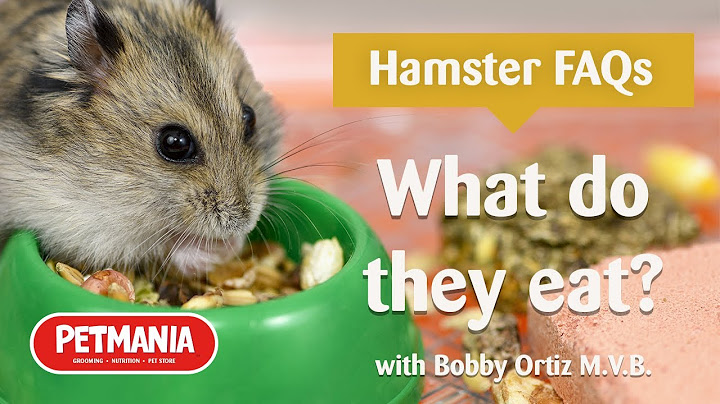
Provide the manufacturer's recommended amount adjusted with veterinary guidance for body condition, age, species, and activity. A Roborovski and a Syrian do not have the same body size, so a single universal tablespoon rule is not ideal. Regularly check what is actually consumed, not only what disappears from the visible dish: hamsters famously carry food in their cheek pouches to underground stores.
Vegetables and safe small additions
Small pieces of appropriate washed vegetables can add variety. For example, a tiny serving of cucumber, bell pepper, or suitable leafy greens may be acceptable for many healthy hamsters when introduced gradually. RSPCA also mentions small quantities of cleaned root vegetables and fruit in a balanced diet. Keep each new item small, observe droppings, and avoid changing several foods on the same day. Remove uneaten fresh produce before it spoils in a warm nest.
Fruit is not an everyday requirement. Its sugar content makes it an occasional extra rather than the diet's centerpiece, particularly when an animal has a health concern requiring dietary caution. Do not assume that all human “healthy foods” are suitable for a tiny rodent. Check any unfamiliar food with a reliable veterinary or animal-welfare source before offering it.
Foods to avoid or approach cautiously
Avoid chocolate, alcohol, caffeine-containing drinks, onions, garlic, and highly seasoned or salty human snacks. Do not offer sticky candies, sweetened cereals, or unknown wild plants. RSPCA warns against grapes and rhubarb for hamsters, so the safer editorial guidance is to leave them off the menu rather than cite conflicting online treat lists. Fruit pits, seeds from unsuitable fruit, and moldy leftovers create additional hazards.
Some internet lists disagree because they lump all rodents together, ignore preparation, or fail to distinguish a lick from a normal serving. Do not resolve that conflict by experimenting on the animal. A veterinarian with exotic-mammal experience can advise on a specific ingredient, especially for a hamster with obesity, diabetes concerns, dental disease, or digestive sensitivity.
Feeding routines that encourage natural behavior
Hamsters gather and store food rather than eating one visible meal on command. Scatter an appropriate part of the measured daily dry ration through clean bedding or hide small portions in safe paper-based forage toys. This makes finding food an activity without adding extra calories. Avoid hanging food high over unsafe drops. Keep a predictable schedule while accepting that the hamster may eat mostly after dusk.
Inspect hidden stores during regular spot cleaning and remove any fresh pieces that could rot. Do not routinely empty every dry-food hoard; that can remove security cues and encourage stress-related behaviors. If you notice sudden stockpiling without eating, weigh the hamster and consult a veterinarian about intake.
Water and food hygiene
Supply clean water continuously, using a stable bowl or well-maintained bottle suited to the animal. Check access and actual flow daily; a bottle that looks full may be blocked. Wash equipment with appropriate cleaning methods and rinse thoroughly. Keep food away from moisture and discard any pellets or seed mix that smell stale or appear moldy. Store the bag according to its label and avoid buying far more than can remain fresh.
A feeding routine is only as reliable as the observation around it. Wet droppings, a dirty tail, weight loss, drooling, mouth injury, or a sudden refusal to eat should trigger timely professional care. Do not attempt force-feeding unless instructed by the veterinarian who has assessed the situation.
How this differs from a treats guide
A complete diet page answers what the hamster needs every day. A treats page answers what makes an occasional reward worthwhile, how to avoid sugar overload, and how to use tiny incentives during foraging. Treats never repair a poor staple diet. When choosing enrichment snacks, use part of the measured food ration first before adding extras.
Frequently asked questions
What can hamsters eat every day?
A complete, species-appropriate hamster food and constant clean water are the baseline. Appropriate fresh additions should remain small and varied.
Can hamsters eat vegetables?
Many can eat small amounts of selected washed vegetables. Introduce one at a time and remove leftovers promptly.
Can hamsters eat fruit?
Some fruit can be an occasional tiny treat, but it is sugary and not essential; avoid grapes and rhubarb under RSPCA guidance.
Do hamsters need meat?
Hamsters are omnivores and need adequate protein, which a suitable complete food should account for. Avoid improvising large meat portions.
Why does my hamster hide its food?
Food hoarding is natural. Check that the animal still eats normally and remove perishable items from stores.
Related hamster guides
Hamster Treats: Better Rewards and Portion Basics