Heated Dog Water Bowls: Keeping Outdoor Water Unfrozen
When heated dog water bowls help in freezing weather, how to assess outdoor electrical safety and what to check before leaving water out.
Heated Dog Water Bowls: Keeping Outdoor Water Unfrozen
A heated dog water bowl is designed to help keep drinking water from freezing in cold weather. It is most relevant for dogs that spend time in appropriate outdoor settings, not as an everyday upgrade for a dog already drinking comfortably indoors. The goal is accessible, unfrozen water—not hot water. Product ratings, electrical safety, climate, and whether the dog can reach the bowl matter more than marketing claims about winter toughness.
When a heated bowl makes sense
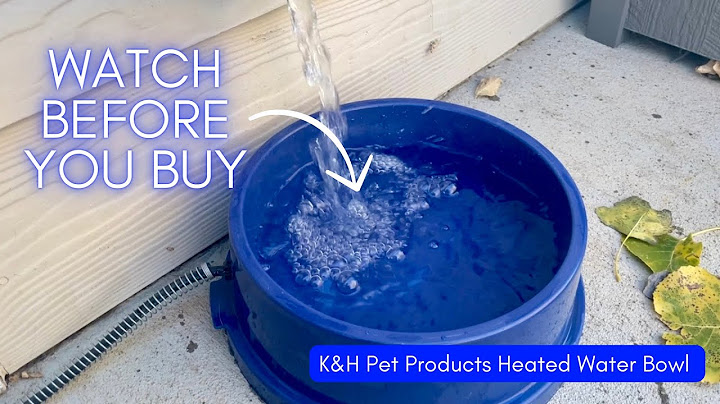
In freezing conditions, an ordinary outdoor bowl may develop surface ice or become completely solid before the next check. A suitable outdoor-rated heated container can reduce that risk when installed and powered correctly. It remains necessary to check the water level and condition regularly: a tripped outlet, damaged cord, or unusual cold snap can defeat the equipment. Water should be clean and easy for the dog to reach.
A heated bowl does not replace shelter, humane housing, or veterinary judgment about whether a dog should be outside at all. Puppies, senior dogs, thin-coated breeds, and animals with certain health conditions may be especially vulnerable to cold. Follow local animal-welfare rules and ensure the dog has appropriate warmth and supervision regardless of the water device.
Heated, insulated, and manually replaced water: different solutions
An insulated bowl slows temperature change but does not generate heat. A corded heated bowl uses an electrical heating element to help prevent freezing. Some portable systems use rechargeable or other power arrangements. Frequent manual water replacement can also work where the owner is present and can reliably keep water unfrozen. Each option has failure modes; select based on outdoor exposure, power availability, and the animal's behavior.
A larger volume of water may freeze more slowly in some conditions but should never be considered a guarantee. Snow and ice are not adequate substitutes for drinking water. If you need a general indoor vessel rather than winter freeze protection, compare materials and sizes in our regular dog water bowl guide.
Electrical ratings and cord protection
Use only equipment intended for its setting, with an appropriate outdoor electrical rating if used outside. Read the entire manufacturer manual, including temperature range, plug requirements, and limits on exposure to rain or snow. Keep connectors protected from standing water and use electrical protection as specified by the manufacturer and local electrical rules. Do not improvise with indoor extension cords or damaged plugs.
Dogs may chew exposed cable, creating serious electric-shock and injury hazards. Ontario's outdoor-dog care guidance recommends cord coverage, such as protective wrapping, and use of equipment meeting electrical safety standards. Route and protect the cord so the animal cannot reach it, pull it into a walkway, or become tangled. If your pet is a habitual chewer, a corded setup may not be suitable without a professionally safe arrangement.
Choose the right size and location
A wide stable base makes the bowl harder to tip, and a low accessible rim helps dogs with shorter muzzles or reduced mobility. Position it on a level surface sheltered from wind, falling debris, and accumulation of snow. Avoid placing it where runoff, road salt, antifreeze, or other substances could enter the water. Antifreeze is particularly hazardous to pets; never add any chemical to drinking water to prevent freezing.
Think about cleaning access as well as heating. Will you be able to lift, unplug, empty, and scrub the bowl without wrestling with a cord? Does its surface develop cracks when exposed to cold? Is the water comfortable rather than excessively warm? Check these issues daily and replace damaged equipment.
Daily winter water check
Inspect the bowl at least daily and more often in severe conditions. Confirm that water is liquid, clean, and accessible; replace soiled water and clean the vessel with the equipment disconnected as the manual instructs. Check for ice around the rim, frayed cables, loose plugs, and malfunctioning heating. Confirm that the dog is actually drinking and can reach the bowl without slipping.
If the device stops working, provide unfrozen water through a supervised alternative immediately. Keep a simple backup plan for power outages, including an accessible location indoors where water can remain liquid. For broader hydration habits and when behavior changes deserve veterinary attention, see keeping pets hydrated.
Winter purchasing checklist and common mistakes
Before purchase, verify the outdoor rating, heating approach, capacity, cord length and protection, cleaning steps, replacement policy, and safe electrical installation. Avoid assuming that a product is safe simply because it is labeled “farm,” “kennel,” or “weatherproof.” If more than one dog shares an area, consider whether a single bowl is enough for unblocked access.
Do not confuse a heated bowl with an automatic waterer. One addresses freezing; the other addresses refill frequency. Combining electricity and water-supply plumbing can increase complexity and should be evaluated conservatively. Above all, a winter water plan is successful only if a person can verify unfrozen drinking water day after day.