Iguana Bite: What to Do and When to Seek Care
Learn basic immediate steps after an iguana bite, signs that warrant medical evaluation, and how to prevent another injury.
Iguana Bite: What to Do and When to Seek Care
If an iguana bites you, stop the interaction, move to safety, and wash the wound immediately with warm water and soap. A bite that breaks the skin needs attention because reptile mouths and environments may carry bacteria. Serious bleeding, deep punctures, wounds over joints, severe pain, or concerning swelling call for prompt medical assessment. This article offers general first-aid orientation, not personalized medical treatment.
An iguana bite is a different subject from asking whether iguanas are usually dangerous. For prevention and body-language guidance, see are iguanas dangerous?. This page concentrates on the steps after contact has occurred.
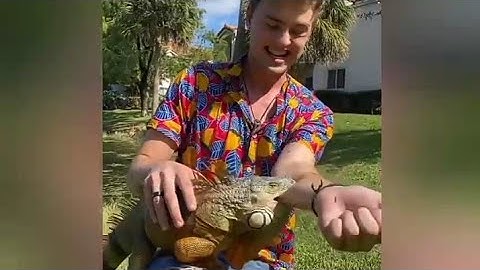
First, stop handling the iguana
Do not pull an animal around the room, attempt improvised restraint, or continue handling it to prove control. Put distance between yourself and the reptile as soon as you safely can. If the animal is a pet, arrange for another capable adult to secure the area without putting their hands near its mouth. If it is wild, allow it to leave rather than pursuing it for photographs or identification.
If a child has been bitten, an adult should help the child reach a safe place and examine the injury. Keep other children and pets out of the immediate area. This prevents a second injury and allows the injured person to focus on cleaning the wound. Do not delay first aid while trying to decide which species caused the bite.
Clean the wound promptly
The US Centers for Disease Control and Prevention advises washing reptile bites and scratches immediately with warm, soapy water. Use clean running water to rinse the affected skin and remove visible contamination gently. If there is bleeding, apply steady pressure with clean gauze or cloth. Cover the cleaned area with a clean dressing until a healthcare professional advises on next steps.
Avoid exploring a deep wound with tools, cutting it open, or applying unverified chemicals. Do not assume that an injury is sterile because it came from a household pet. Even animals that appear healthy can carry bacteria. If a bite is deep, extensive, located on a hand or over a joint, or has uncontrolled bleeding, prioritize medical care rather than continuing home cleaning.
When should you get medical attention?
A clinician should assess serious wounds, injuries that impair movement, severe pain, swelling, increasing redness or warmth, or wounds that involve high-risk areas. Seek prompt advice for children, older adults, pregnant people, or people with weakened immune systems, who may be more vulnerable to certain infections. A clinician may need to evaluate tissue damage, infection risk, and whether further wound management is appropriate.
A seemingly minor bite also warrants attention if symptoms change after the initial event. Look for spreading redness, drainage, worsening tenderness, fever, or reduced ability to move a nearby finger or joint. Do not diagnose the cause from a photo or assume a small surface mark rules out a puncture underneath. Share the time and location of the incident and whether the animal was captive or wild.
Tetanus and other infection concerns
Tetanus protection depends on vaccination history and the nature of the wound. CDC guidance specifically advises seeking medical attention for reptile bites when more than five years have passed since the last tetanus shot; a clinician can determine the appropriate recommendation. Do not choose antibiotics or attempt to treat an infection with leftover pet medication. A healthcare professional should decide whether any medication or additional care is necessary.
Salmonella is strongly associated with reptiles and contaminated habitats, but that does not mean every bite causes Salmonella infection. A bite can introduce other bacteria into tissue, while Salmonella transmission also occurs through contaminated hands or surfaces. Wash hands after handling reptile equipment and keep wound-care materials separate from food and animal-cleaning supplies.
What to tell a healthcare professional
A concise account helps more than a speculative diagnosis: when the bite occurred, whether the skin broke, approximate wound location and depth, first aid already performed, last known tetanus vaccination, relevant immune conditions, and whether the animal was acting unusually. Mention any increasing redness, swelling, warmth, pain, or fever. If it is a pet, note any visible mouth disease, but do not force the reptile's mouth open to collect evidence.
It can be useful to photograph the wound after it is cleaned for monitoring, provided doing so does not delay care. Photographs are not a substitute for examination. If the animal belongs to someone else, share the context factually without trying to capture or restrain it. A medical professional can determine the relevant local reporting or public-health steps if needed.
Preventing another iguana bite
The most effective prevention is not a gadget or a stronger grip. Give reptiles an exit path, avoid surprise handling, keep hands away from an unfamiliar mouth, and never encourage children to hand-feed a wild iguana. Owners can use consistent husbandry routines and ask reptile professionals about low-stress handling. If the animal frequently reacts to ordinary contact, pain, temperature problems, or stress may need evaluation.
For an explanation of why a plant-eating lizard can still produce a painful bite, read iguana teeth. The shape of the teeth is one part of the risk; the circumstances of the incident and the resulting wound are what determine medical urgency.
Frequently Asked Questions
Do iguana bites require a doctor?
Not every contact has the same severity, but broken skin deserves careful cleaning and risk assessment. Deep wounds, serious bleeding, joint involvement, signs of infection, or injuries to higher-risk people need medical advice promptly.
Can an iguana bite become infected?
Yes. Reptile bites can introduce germs, and even a wound that first appears minor can develop increasing redness, swelling, pain, or drainage. Seek care if these signs appear.
Should I use leftover antibiotics after a bite?
No. Medication choices depend on the wound and the patient's circumstances. A clinician should evaluate whether antibiotics are needed and which treatment is appropriate.
What if I cannot remember my last tetanus shot?
Tell the healthcare professional. They can review vaccination guidance and the bite's characteristics to determine whether a booster or other treatment is indicated.
Should I grab the iguana to show a doctor?
No. Handling an agitated reptile can cause another injury. Describe the animal and circumstances instead, and let local professionals advise on any necessary reporting.