Iguana Teeth: What They Look Like and Why They Matter
Learn how iguana teeth help process plants, what dental problems may look like, and why mouth injuries need a reptile veterinarian.
Iguana Teeth: What They Look Like and Why They Matter
Iguanas have teeth, even though many species are primarily plant-eaters. In green iguanas, small, sharp, leaf-shaped teeth help crop and process vegetation. These teeth can be difficult to notice unless the animal's mouth is open, but they are capable of breaking skin. The teeth also need to be considered when an iguana develops problems eating or has visible changes around the lips and jaw.
This guide concentrates on the teeth themselves: their function, appearance, and oral-health warning signs. For immediate care after a human injury, use our iguana bite guide instead. Avoid attempts to pry a pet's mouth open just to check tooth shape.
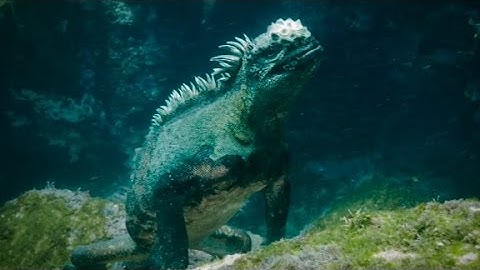
What do iguana teeth look like?
Green iguanas have rows of relatively small, flattened teeth with cutting edges suited to plant material. In close views they may appear serrated or leaflike rather than the pronounced fangs people associate with carnivores. Since the lips and surrounding tissues can hide much of the dentition, a photograph of a closed mouth may show none of the teeth at all.
Tooth shape varies across lizard groups, and comparisons should not assume that every reptile has the same dental arrangement. The familiar green iguana is a useful example because its plant-focused diet is well described. Marine iguanas also feed on algae but have feeding adaptations related to grazing on rocks. Neither should be described as a venomous animal merely because its teeth are sharp.
Teeth are tools for eating plants
A green iguana typically takes pieces from leaves and other plant matter. Its jaw movement and tooth edges help cut and process food before swallowing. An animal may look as though it is chewing in a mammalian way, but reptile mouth mechanics and dentition differ. A proper diet and suitable environmental conditions support normal feeding; an article about tooth shape cannot replace full nutritional guidance.
You may see enthusiastic claims online that a particular leaf shape guarantees better 'tooth cleaning.' Such claims can be misleading. A reptile's oral health depends on multiple factors, including diet, enclosure conditions, trauma, and infection. If the animal is dropping food, avoiding firm items, losing weight, or chewing on one side, a reptile veterinarian should evaluate it rather than simply changing the menu.
Why a herbivore can still bite painfully
Teeth evolved for feeding can still injure human skin. A defensive iguana may close its jaws quickly when frightened or restrained. Size, jaw strength, and where the bite lands affect the severity; the tooth shape alone does not predict the outcome. This explains why it is possible for an herbivore to produce a wound requiring medical evaluation.
People should not use bare fingers to demonstrate how sharp the teeth are or put food directly between an unfamiliar iguana's jaws. A bite can occur when the animal expects food, when it is startled, or when it tries to defend itself. Our guide to iguana risks focuses on avoiding these situations and maintaining safe distances.
Oral-health warning signs to watch
An alert reptile with normal feeding behavior may provide little reason to inspect its mouth. By contrast, repeated refusal to eat, unusual drooling, swelling of the lips or jaw, bleeding, foul-smelling discharge, or visible debris along the gums should prompt professional advice. Infectious stomatitis, sometimes called mouth rot, is a veterinary condition reported in lizards and other reptiles. It cannot be reliably diagnosed from a casual internet image.
Poor nutrition and inadequate UVB or thermal conditions can contribute to broader bone and jaw problems in reptiles. Merck Veterinary Manual discusses metabolic bone disease and changes to the jaws associated with poor calcium, vitamin D3, or environmental care. This is another reason to evaluate the entire animal instead of treating every mouth abnormality as a loose tooth.
How to observe the mouth without causing injury
Watch an iguana eat from a safe distance and note whether it bites and swallows normally. If the animal readily opens its mouth, a brief observation may reveal obvious abnormalities, but never force it open at home for photos. Restraining the head can stress the reptile and lead to a bite, damage delicate tissues, or worsen an existing injury.
A reptile veterinarian has the training and equipment to evaluate the mouth safely when an examination is necessary. They may review diet, body condition, lighting and enclosure temperatures, then decide whether diagnostic tests or treatment are appropriate. Owners should not attempt to scrape deposits, pull teeth, or apply human dental products to the animal's mouth.
Are iguana teeth replaced?
Iguanas belong to a group of lizards in which teeth are replaced over time, but the details of replacement depend on anatomy and species. It is safer to avoid a universal claim about how many days or months each tooth lasts. A tooth that appears missing after an injury, bleeding from the gums, or a sudden inability to eat deserves veterinary evaluation rather than the assumption that ordinary replacement is happening.
The bigger practical takeaway is that sharp teeth are normal anatomy, while pain, swelling, trauma, and difficulty eating are not. Keep the animal's nutrition and habitat appropriate, avoid risky mouth handling, and consult a professional when symptoms persist.
Frequently Asked Questions
Do iguanas have sharp teeth?
Yes. Green iguanas have small cutting teeth adapted to processing plant material. They can injure skin even though the animal is chiefly herbivorous.
Are iguana teeth poisonous or venomous?
Iguanas are not generally regarded as venomous lizards. The main concerns with a bite are mechanical injury and possible infection rather than injected venom.
Can I check my iguana's teeth by opening its mouth?
Do not force the mouth open. Observe normal feeding and ask a qualified reptile veterinarian to examine the mouth when there are concerning symptoms.
Why might an iguana stop chewing normally?
Pain, oral infection, injury, nutrition problems, and other disease can affect eating. A veterinary assessment is more useful than assuming the teeth simply need trimming.
Do iguanas lose and replace teeth?
Like many lizards, iguanas undergo tooth replacement. However, bleeding, trauma, missing teeth after an incident, or reduced appetite should not be dismissed as routine replacement.