Insulating a Cat Shelter Without Trapping Moisture
Improve an outdoor cat shelter with a dry raised base, wind protection and appropriate insulation and bedding materials.
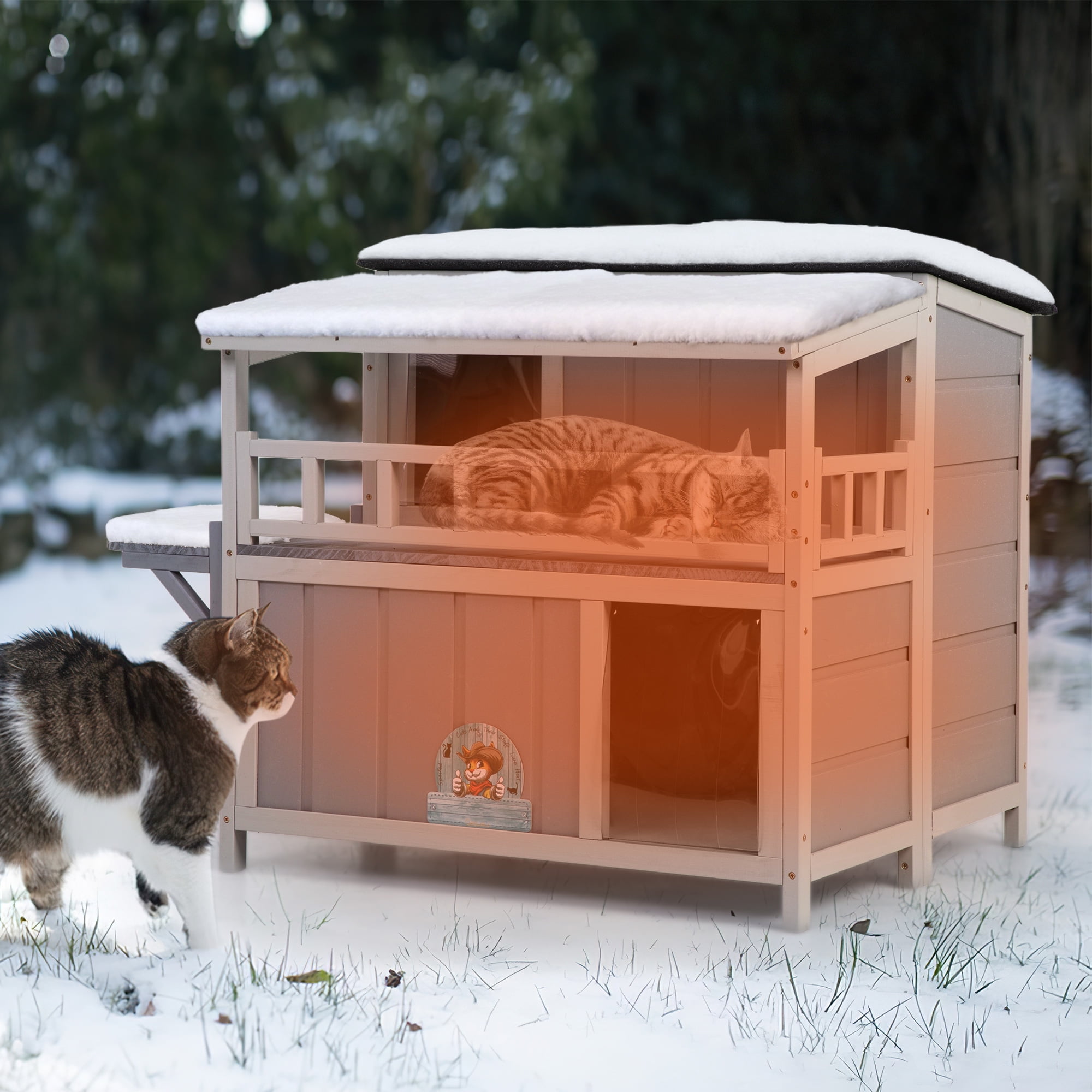
Insulating an existing outdoor cat shelter is less about adding the thickest possible material and more about stopping water, wind, and cold surfaces from reaching the sleeping area. A successful retrofit keeps the roof watertight, lifts the floor from damp ground, limits drafts, and uses bedding that does not stay wet. The steps below suit a basic non-electrical shelter; they are not a substitute for site-specific building or animal-care advice.
Inspect the old shelter before modifying it Start with the roof and floor. Look for warped panels, split seams, damp corners, loose fasteners, and a door that directs rain inward. If the structure is badly rotten, unstable, or full of mold, replacing it is safer than concealing damage under insulation. Clean the interior, allow it to dry thoroughly, and remove old damp fabric bedding.
Measure the usable interior. A community-cat refuge should be large enough for the intended occupant to turn and rest but not unnecessarily cavernous. Insulation will reduce interior dimensions, so ensure the sleeping space and entrance remain usable after adding lining.
Make the roof and base weather-resistant Repair water entry at seams and roof joints first. Choose exterior-compatible sealing materials and keep fumes, sharp edges, and loose pieces away from cats. Raise the shelter on a stable support that prevents contact with wet ground and allows water to drain away. Do not create a wobbly platform or an open void that catches wind beneath the floor.
Where the entrance faces driving rain or prevailing wind, rotate the shelter or add a well-designed windbreak. An elevated lip can help reduce runoff, but it should not create a difficult threshold for an older or injured cat.
Add protected insulation without trapping moisture Insulate the walls, roof, and floor using a method appropriate to the shelter material. Cover any insulation that might shed fibers or be chewed. Do not leave exposed adhesive or sharp metal fasteners inside. Pay attention to joints, where cold air or water can enter even when broad panels are insulated.
Avoid the tempting shortcut of filling every gap with sealant. The shelter must still manage humidity and condensation. Check the design for protected ventilation rather than making the box airtight. Inspect the inside after a cold night to see whether droplets are collecting on the roof or wall surfaces.
Replace absorbent bedding with dry straw Remove blankets, towels, hay, and other materials that retain moisture. Loosely place clean, dry straw in the sleeping area and leave room for the cat to nest. Straw is recommended by outdoor-cat care groups because it resists moisture better than hay or fabric. Avoid packing it so densely that the resting space becomes hard to use.
Keep replacement straw covered and off the ground. After storms, check it with a gloved hand or a visual inspection and change any wet or dirty bedding. Do not install an improvised electric heater or exposed cable inside the shelter. Electrical heating systems require products and installations specifically designed for their use, with professional safety judgment.
Position the entrance with animal behavior in mind Place the shelter where cats already travel and can approach without feeling trapped. A sheltered wall or hedge can help break wind, but the cat needs a clear exit route. Do not hide the entrance behind clutter that may block it in snow. Some cats avoid flaps, so observe use before treating a flap as a mandatory upgrade.
Check that local wildlife cannot easily invade the space. Food should be managed separately and the surrounding site kept clean. A shelter that attracts other animals may need relocation or changes to the care routine.
Test and maintain the retrofit After the first rain or freeze, check the interior for condensation, leaks, shifted panels, or bedding that has become wet. Recheck following windstorms and snow. If the cat still avoids the space, reassess location, doorway accessibility, and competing noise rather than assuming the cat is simply stubborn.
The companion guide choosing an insulated outdoor shelter explains the overall features to look for before buying or replacing a unit. A successful retrofit is a cycle of inspection and adjustment, not a one-time application of insulation.