Choosing an Insulated Shelter for Outdoor Cats
Learn what makes an outdoor cat shelter protective in cold weather, including size, entryway, elevation and dry bedding.
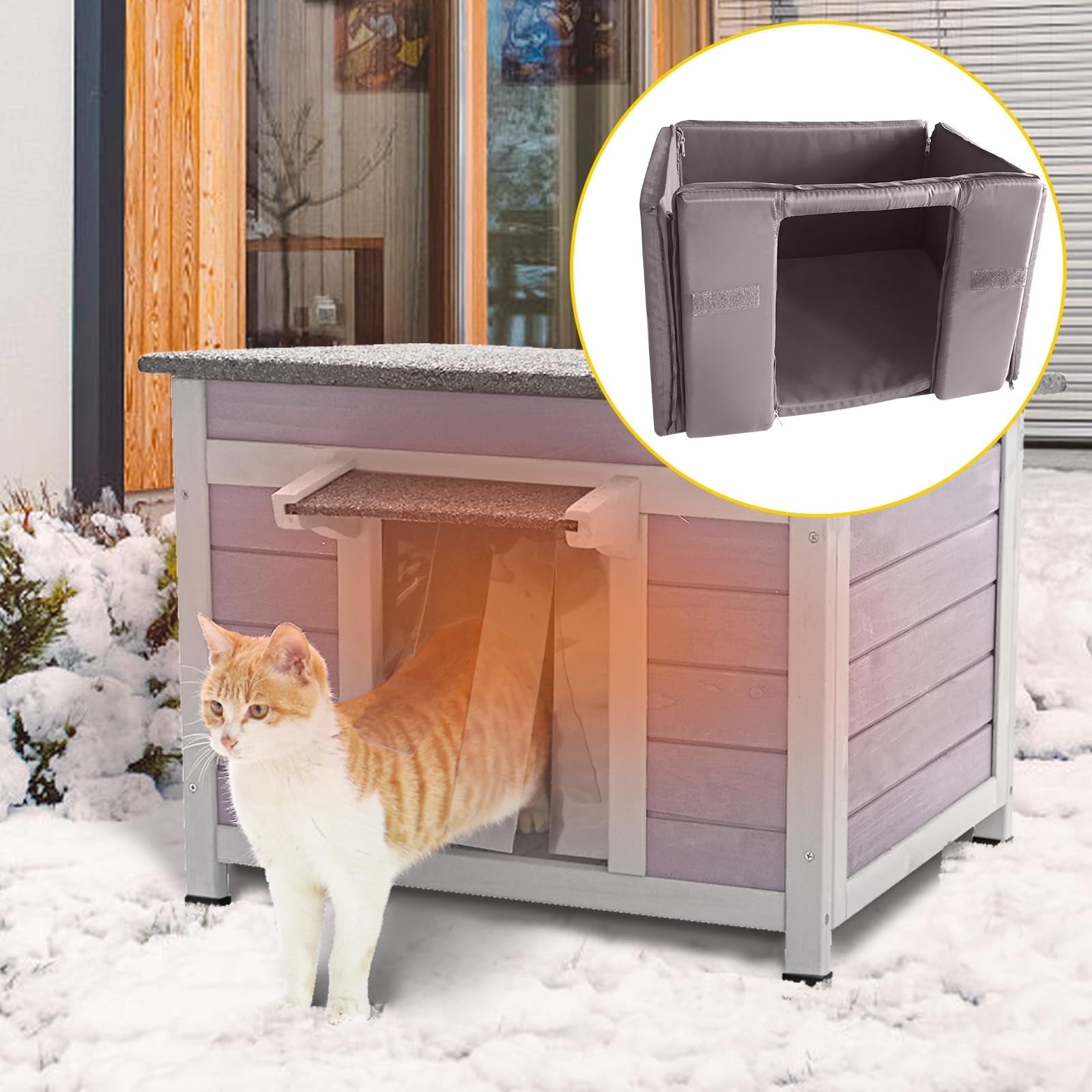
An insulated outdoor cat shelter is a small, dry, wind-protected resting place, especially relevant for people caring for community cats in cold climates. It is not the same as a catio: a catio creates secure outdoor activity space, whereas a shelter protects a resting animal from weather. When choosing a shelter, focus on moisture control, proportionate interior volume, entrance placement, and maintenance. An oversized decorative house can be less useful in winter than a modest, carefully sited refuge.
Keep the space dry before trying to keep it warm A wet shelter loses much of its protective value. Inspect the roof, corners, base, and entry for places where rain or melting snow could enter. Choose weather-resistant exterior surfaces and raise the shelter above damp or freezing ground using a stable base. Ensure the shelter cannot tip or fill with runoff in a storm.
An entrance should be small enough for cats but not so awkward that an animal cannot leave quickly. Orient it away from prevailing winds, or use a sheltered position that reduces direct drafts. Remember that animals must still be able to enter and leave; complex flaps can deter some cats.
Choose insulation that works in a small enclosure Insulation helps slow heat loss but cannot make a poorly sealed, soaked structure comfortable. Look for insulated walls, floor, and roof that do not expose loose foam or other material a cat could chew. The shelter should have an internal area the intended cats can use without excessive empty air space. For a community-cat group, enough separate options may work better than one very large house.
Do not seal a shelter so completely that condensation has nowhere to go. Appropriate ventilation and moisture control matter; the goal is protection from direct drafts while preventing damp interiors. Inspect the interior after weather changes rather than relying on appearance from outside.
Use straw for bedding, not hay or towels For outdoor winter shelters, Alley Cat Allies recommends **straw rather than hay**. Straw is the dry stalk left after grain harvest and tends to resist moisture; hay is forage and can hold dampness. Ordinary blankets, towels, and cushions can also absorb water and leave a cold, wet sleeping area. Use dry straw loosely and replace it when soiled or damp.
Do not confuse outdoor community-cat shelters with an indoor cat bed. Indoor fabrics are fine in dry indoor conditions; outdoors, bedding is exposed to humidity and weather. Check stored straw before use and keep replacement material dry.
Put the shelter where a cat can actually use it Choose a quiet location away from traffic, flooding, and repeated disturbance. Observe where neighborhood cats already rest, and place the shelter near familiar routes without blocking exits. Avoid areas where food waste is likely to attract unwanted animals. Be considerate of property rules and neighbors.
If the intended users are owned pet cats, a sheltered indoor space is ordinarily a more controlled winter option. Community-cat care requires its own safety judgment, including monitoring of individual animals and veterinary help if a cat appears ill or injured.
Evaluate the shelter throughout winter Lift the lid or use an access panel to inspect for moisture, debris, pests, mold, or damage. Check whether snow blocks the entrance and whether the shelter has shifted. Refresh straw regularly and keep drinking water available through weather-appropriate methods that do not introduce exposed electrical hazards.
For making improvements to an existing structure, follow the step-by-step winterizing guide. If your real goal is a secure play area rather than a place to sleep, compare outdoor enclosures for cats. A practical shelter succeeds by staying dry, usable, and consistently maintained—not by looking like a miniature house.