Japanese Skin Care Products and Everyday Routine Basics
Understand Japanese skin care product formats, routine steps, and label considerations before choosing products for your skin type.
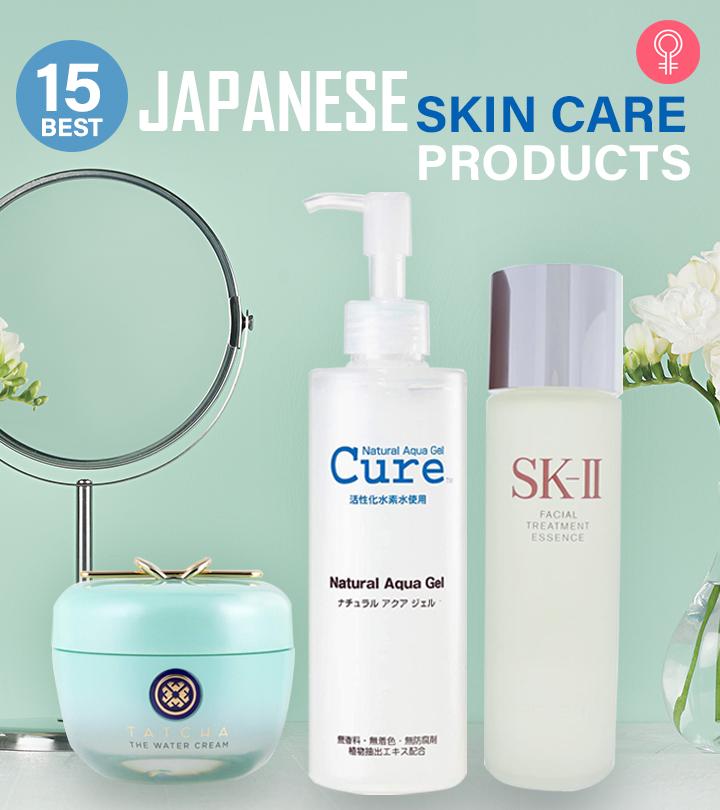
Japanese Skin Care Products and Everyday Routine Basics
Japanese skin care products include cleansing oils, lotions, emulsions, moisturizers, and sunscreens. The word 'lotion' can be confusing for U.S. shoppers: in Japanese beauty packaging it may describe a watery hydrating step rather than a thick body lotion. Understanding product function is more helpful than trying to follow a supposedly universal Japanese routine.
Cleansing formats and what they do
Cleansing oils and balms can help dissolve makeup and some sunscreen films. They are typically followed by rinsing according to the formula's directions. A water-based cleanser may be enough for someone who wears little makeup; double cleansing is an option, not a requirement for everyone. Avoid aggressive rubbing, especially around the eyes.
Look at whether the package is labeled for makeup removal, face washing, or both. Imported terms can be translated inconsistently by online sellers, so verify the intended use and ingredient list on the actual product.
Lotions, essences, and emulsions
A watery Japanese lotion often acts like a hydrating layer, while an emulsion tends to be a lighter moisturizer. Neither is a mandatory stage. If a lotion leaves your face comfortable but not adequately moisturized, a cream may still be helpful. If a moisturizer alone already meets your needs, an extra lotion may not add meaningful value.
Pay attention to fragrance and alcohol content if your skin frequently stings. Products within the same category can feel very different due to their complete formulations, not merely a featured ingredient.
Sunscreen is not interchangeable with moisturizer
Japanese sunscreens may offer light textures, but a pleasing finish is not enough to establish appropriate protection. In the United States, sunscreen claims and labeling are regulated; check the product sold for your market and use a broad-spectrum SPF 30 or higher. Follow directions for applying and reapplying, especially with outdoor activity, sweating, or swimming.
When buying through cross-border marketplaces, verify authenticity, complete labeling, shipping conditions, and who handles returns. Do not equate one region's packaging symbols with a different region's regulatory claims.
Build a short everyday routine
Begin with a mild cleanser, moisturizer, and sunscreen. Add a cleansing oil if you need help removing makeup, or a hydrating lotion if dryness remains after cleansing. If you add an exfoliant or treatment, introduce it separately so that you can identify irritation and determine whether it makes a useful difference.
A routine that fits your skin and schedule is preferable to copying a celebrity's number of steps. There is no single Japanese routine that all Japanese consumers use.
Shopping checklist for U.S. buyers
Confirm the exact product name and version; packaging updates can change ingredients. Check seller authenticity, the intended skin type, expiration or batch information if supplied, instructions, and fragrance preferences. Beware of broad claims that one national tradition is inherently safer or scientifically superior.
Common questions
Is Japanese lotion the same as American body lotion? Often not. Check texture and intended facial use rather than translating the word literally.
Is double cleansing compulsory? No. It can be useful for makeup removal, but a single gentle cleanse may suit many routines.