Understanding Manuka Honey Skin Care Products
Review what manuka honey skin care products claim, what evidence is limited, and how to consider allergy or irritation concerns.
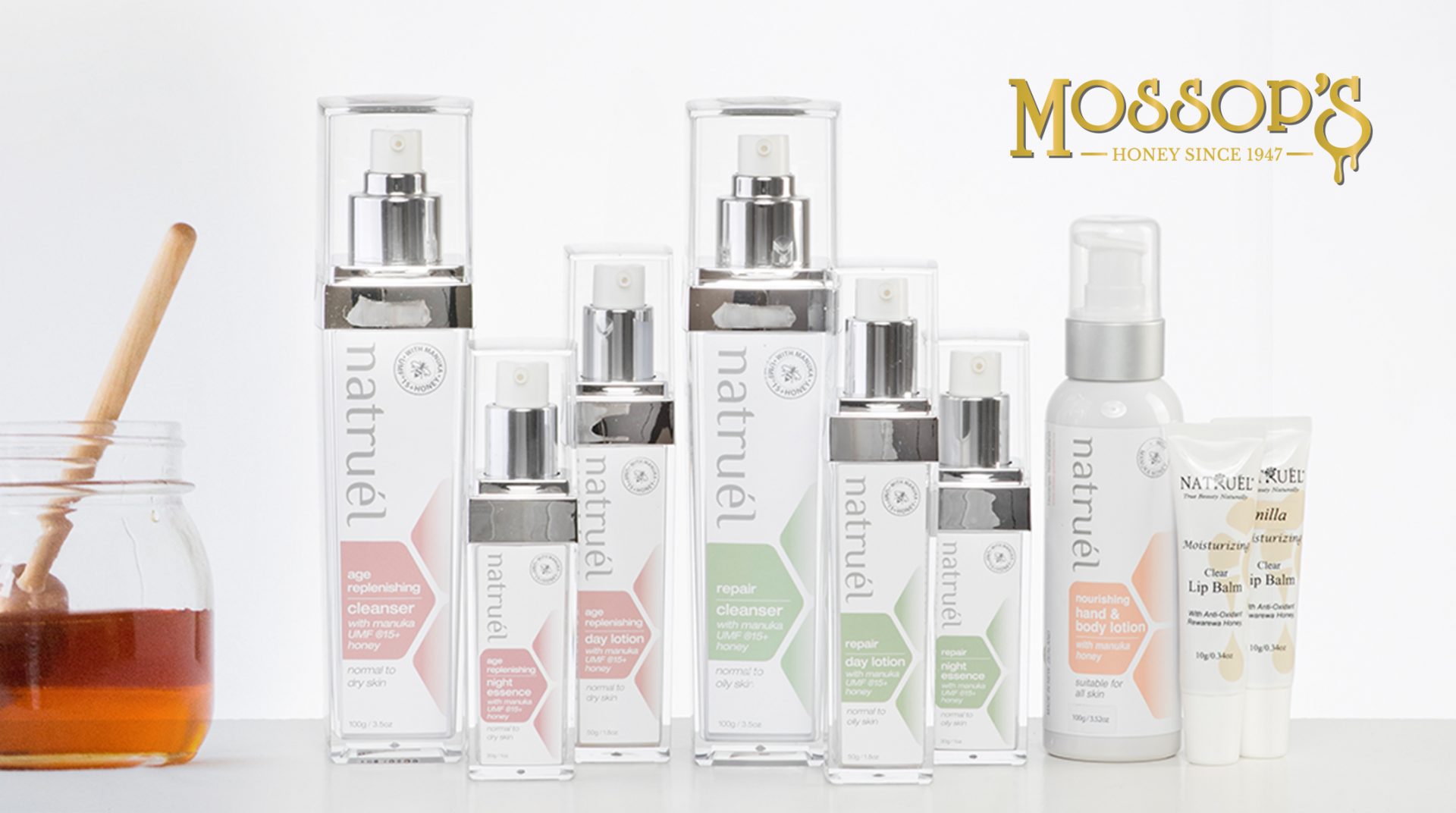
Understanding Manuka Honey Skin Care Products
Manuka honey is used in masks, moisturizers, cleansers, and spot products that are marketed for soothing or blemish care. Yet a honey ingredient in an everyday cosmetic is not the same as a standardized medical wound dressing, and laboratory findings do not prove that a cream will treat acne. Understanding these distinctions helps prevent expensive mistakes.
Know which kind of honey product you are buying
A cosmetic may include a small amount of Manuka honey alongside water, emollients, fragrance, and preservatives. Another product may market the honey itself as its main component. Medical-grade honey products have different intended uses and standards. Never substitute pantry honey or a cosmetic face mask for treatment of an infected wound or serious skin condition.
Read the actual ingredient list and instructions. Packaging may emphasize honey even when other ingredients largely determine how the product feels and performs.
Why honey appears in cosmetic marketing
Honey can contribute to a formula's texture and moisturizing feel, and researchers have studied different honeys for antimicrobial properties under defined conditions. Those observations should not be translated into a claim that every Manuka lotion cures acne, rosacea, eczema, or infection.
Marketing adjectives such as 'active,' 'pure,' and 'healing' need a precise definition. An attractive label cannot replace clinical evidence for the finished product.
What does the research actually support?
Evidence differs by honey species, preparation, concentration, and medical context. For example, a randomized clinical trial of a topical kanuka-honey preparation did not establish additional benefit for acne over its comparator routine. Kanuka and Manuka are not the same ingredient, so that study also cannot settle the effectiveness of every Manuka cosmetic. It does illustrate why ingredient reputation is weaker than a properly tested formulation.
A cosmetic article should not promise treatment of infections or clinically meaningful wound healing from a retail face mask.
Allergy and irritation considerations
Honey and accompanying botanical ingredients may cause reactions in some users. If you have known allergies involving bee products or have previously reacted to a formula, consult your clinician before trying it. Apply only as directed, avoid broken skin unless a product is specifically intended for that use, and discontinue if rash or burning develops.
A pleasantly sticky or moisturized feeling does not demonstrate an antibacterial treatment effect.
How to compare labels without hype
Ask whether honey is central to the formula, what the product is actually intended to do, whether the company provides finished-product data, and whether fragrance or other ingredients suit your skin. Compare cost per use against a simple moisturizer if hydration is your primary goal.
Common questions
Can a Manuka face cream replace acne medication? No. Do not use cosmetic claims as a substitute for a diagnosis or prescribed treatment.
Is all honey interchangeable in studies? No. Species, processing, concentration, and formulation vary substantially.