Understanding Non-Toxic Claims on Skin Care Products
See how to interpret non-toxic and clean beauty marketing, ingredient labels, and safety claims without assuming natural always means safer.
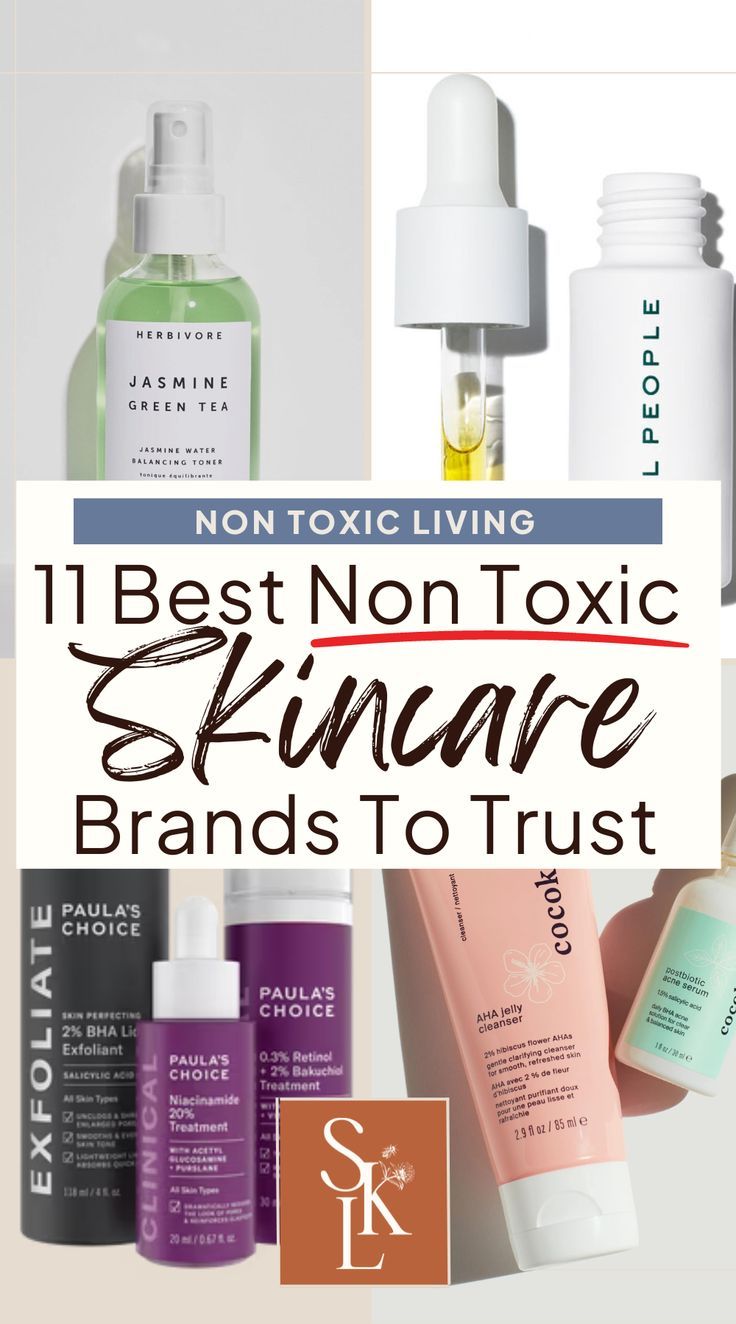
Understanding Non-Toxic Claims on Skin Care Products
'Non-toxic' can sound like a precise safety rating, but on a skin care package it is often a broad marketing phrase. Safety depends on the substance, amount, route of exposure, formulation, and how a product is used. A better shopping approach is to read specific claims and evaluate them against available evidence.
What the phrase does—and does not—say
A front-label promise cannot tell you whether a moisturizer will cause allergy or whether a cleanser is suitable for your condition. The term does not replace ingredient disclosure, directions, warnings, or appropriate testing. Avoid the false choice that a product is either 'chemical-free' or dangerous: water, plant extracts, and synthetic ingredients all have chemical compositions.
A specific ingredient might be a poor fit for one person due to allergy, while being tolerated by someone else. That difference does not automatically make an entire product line unsafe.
Understand U.S. cosmetic oversight
The FDA generally does not approve cosmetic products before sale, with important exceptions for certain color additives. Companies are responsible for complying with applicable laws and marketing safe, properly labeled products. Claims that a product treats or prevents disease can change its regulatory status.
A phrase such as 'FDA approved moisturizer' deserves careful scrutiny if it suggests routine cosmetic preapproval. Sunscreen and products making certain treatment claims fall under different regulatory rules than ordinary cosmetics.
Natural origin is not a safety guarantee
Essential oils and botanical extracts can trigger reactions; synthetic ingredients can be well characterized and useful. The FDA cautions consumers not to assume 'natural' or 'organic' automatically means safer. Similarly, a short ingredient list is not necessarily safer than a longer one.
Consider allergies, skin conditions, pregnancy, children, and use around the eyes when evaluating a formula. An ingredient's reputation online is not a substitute for exposure and product-specific information.
Read a label in a useful order
First identify what the product is meant to do. Next read directions and warnings, then the ingredient list and fragrance disclosure where available. Notice whether the product is intended for your face, body, or a particular problem. If a headline claim relies on an undefined score, locate the underlying criteria before trusting it.
Stop using a product that causes a troubling reaction and seek medical advice for severe or persistent symptoms. Avoid applying a formula to broken skin unless labeled and appropriate for that use.
Five red flags in skin care marketing
Be wary of '100% safe for everyone,' 'no chemicals,' unnamed toxin lists, claims that all competitors are harmful, and before-and-after promises without context. These phrases can create fear without helping you compare real formulations. Prefer brands that explain what a product contains, how to use it, and its limitations.
Common questions
Does non-toxic mean hypoallergenic? No. In the U.S., 'hypoallergenic' also lacks a single federal standard that guarantees no reaction.
Are plant-based ingredients always safer? No. Source alone does not establish safety or personal tolerance.