Diné (Navajo) Culture: Language, Arts and Community
Explore Diné language, public arts and community traditions, with attention to living culture and respect for knowledge that is not public.
Diné (Navajo) Culture: Language, Arts and Community
Navajo culture, often discussed by Diné people using their own name, includes language, family relationships, art, community governance, knowledge of place, and everyday life. It is not a single set of customs frozen in the past. A respectful introduction distinguishes what Diné artists and cultural organizations share publicly from ceremonial knowledge or community practices that are not for outsiders to copy.
Diné identity and terminology
Navajo is widely used in English and official names, while Diné is a self-description used by many community members. Neither word implies that every individual has the same beliefs, political views, or artistic interests. An article should use the community's current terminology and avoid making claims about an individual's identity based only on a photograph or surname.
The Navajo Nation is a sovereign government, but culture also unfolds through families, schools, cities, local chapters, and people living away from the reservation.
Diné Bizaad and language education
Diné Bizaad is the Navajo language. It carries distinctive vocabulary, sound patterns, and ways of expressing relationships and place. Language revitalization and education occur through formal programs and informal family teaching. Historic stories of Navajo Code Talkers can be useful, but they do not substitute for understanding today's speakers and educators.
When sharing a vocabulary word, verify spelling and meaning using resources developed by qualified language teachers. Do not present ceremonial expressions as a tourist phrasebook.
Arts, weaving, and creative work
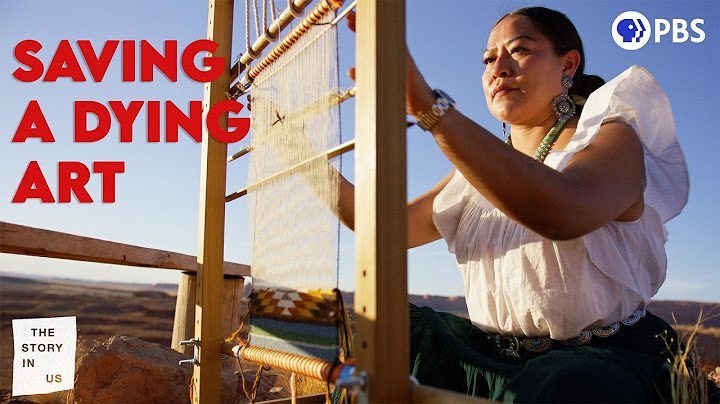
Diné weaving, jewelry, and visual arts are internationally recognized, with individual artists and families developing distinctive approaches. Their work can incorporate longstanding techniques, innovation, and personal choices. A design's appearance does not prove that an item was made by a Diné artist.
When buying or discussing artwork, seek the creator's name and explanation, verify authenticity claims, and avoid reproducing distinctive designs as 'tribal style' without credit. Buying from artists or reputable Native-owned businesses supports contemporary creative work.
Families, land, and community life
Many Diné people describe close relationships among family, community, language, and place. Experiences differ with geography, age, upbringing, and residence. Contemporary Navajo Nation life includes schools, hospitals, local enterprise, civic debate, sport, technology, and cultural initiatives. A general guide should not force all experiences into a romantic image of remote landscapes.
Visitors and students can learn through public museums, interviews, and works made by Diné authors rather than asking private individuals to explain community spirituality.
Respectful boundaries for learning
Some cultural knowledge is shared in public educational settings; other knowledge is restricted, personal, seasonal, or ceremonial. Avoid tutorials that claim to teach sacred rituals from anonymous online sources. A respectful reader accepts that a cultural introduction can be substantial without revealing everything.
For geographic and governmental context, read the related guide to the Navajo Nation reservation rather than combining two different searches into one page.
Frequently asked questions
Are Navajo and Diné the same term?
Diné is an important self-identifying name, while Navajo remains common in English and official usage.
What language is spoken in Navajo communities?
Diné Bizaad, or the Navajo language, alongside English and other languages used by individuals.
Are all Navajo traditions public?
No. Some knowledge and ceremonies are private, restricted, or shared only under community protocols.
What is a respectful way to learn about Diné art?
Learn the artist’s name and context, use reliable Native-led resources, and support authentic work.
Related reading
Explore these focused guides for the next step in your research: