Navajo Nation Reservation: Location and Government
Discover where the Navajo Nation extends across Arizona, New Mexico and Utah, plus its history, sovereign government and geography.
Navajo Nation Reservation: Location and Government
The Navajo Nation is a sovereign tribal nation with a reservation spanning parts of northeastern Arizona, northwestern New Mexico, and southeastern Utah. Many citizens identify as Diné. Its government, chapters, language, communities, and lands cannot be reduced to a scenic driving route or a colored shape on a map. This guide explains the reservation's general geography and the distinction between place, people, and government.
Where the Navajo Nation is located
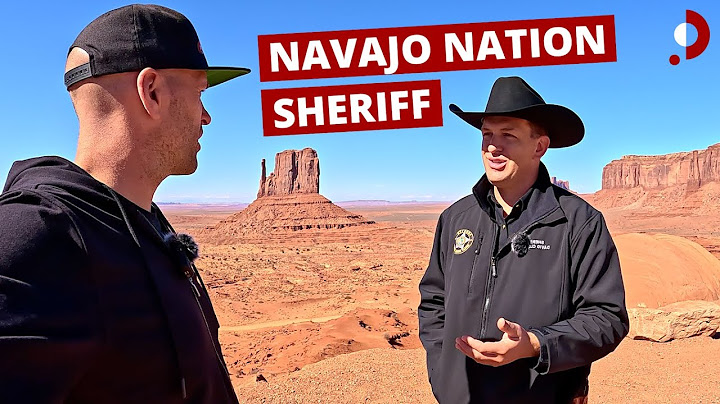
The Navajo Nation extends across a large area of the American Southwest. Major parts of the reservation lie in Arizona, with additional lands in New Mexico and Utah. Deserts, plateaus, mesas, towns, and rural communities create varied landscapes, so a single photograph cannot convey the region as a whole.
Visitors should use official navigation and local travel advice, especially for remote roads and areas with restricted access. Not all scenic places are public attractions, and some locations have community or land-use rules.
Reservation boundaries and the sovereign government
A reservation is a legal geographic area; a sovereign tribal nation is a political community and government. Navajo Nation governmental institutions serve citizens and communities, and their authority cannot be captured simply by a map outline. Tribal chapters provide a form of local governmental organization and community representation, but chapter geography is not the same as state or county geography.
When researching tribal government roles, legal rules, or services, use current Navajo Nation government materials. Do not treat US state borders as if they divided the nation's identity into three different tribes.
History and the importance of place
Diné communities have long histories of settlement, movement, farming, herding, trade, and relationships with the landscape of the Southwest. Nineteenth-century conflict and forced removal, including the Long Walk and confinement at Bosque Redondo, are important parts of the history. The subsequent return and treaty era shaped the legal framework of the reservation.
This history should be approached through Diné accounts as well as documents. It is not only a story of displacement; it includes resilience, governance, language, family, and continuing relationships to the land.
Language and community life today
Diné Bizaad, often called the Navajo language, is central to many cultural and educational initiatives. Schools, community programs, artists, journalists, and families support language use in different ways. Navajo Nation communities also address contemporary issues such as water, roads, economic development, housing, and public services.
Avoid writing that all Diné people live in the same kind of home, follow identical beliefs, or participate in every public tradition. Local circumstances and personal choices vary considerably.
What to check before visiting or mapping
Use current Navajo Nation, state, and federal land resources for roads and administrative questions. Some public attractions are managed by tribal parks or local authorities with separate rules and fees. Respect photography restrictions and private property. A reservation map is not proof that a particular site is open to visitors.
For a focused guide to how the reservation is represented on maps, continue with the dedicated Navajo reservation map article.
Frequently asked questions
Which states include the Navajo Nation reservation?
Arizona, New Mexico, and Utah.
Is the Navajo Nation a state?
No. It is a sovereign tribal nation with its own government, within the United States.
What does Diné mean in this context?
Diné is a self-identifying name used by many Navajo people; it is often translated as “the people.”
Can visitors go anywhere inside the reservation?
No. Access rules vary by location, and visitors should follow tribal and local guidance.
Related reading
Explore these focused guides for the next step in your research:
Navajo Nation Reservation Map and Boundary Guide