How Big Are Blue Whales? Length, Weight and Comparison
How Big Are Blue Whales? Length, Weight and Comparison Explore evidence-based facts, context and common misconceptions.
How Big Are Blue Whales? Length, Weight and Comparison
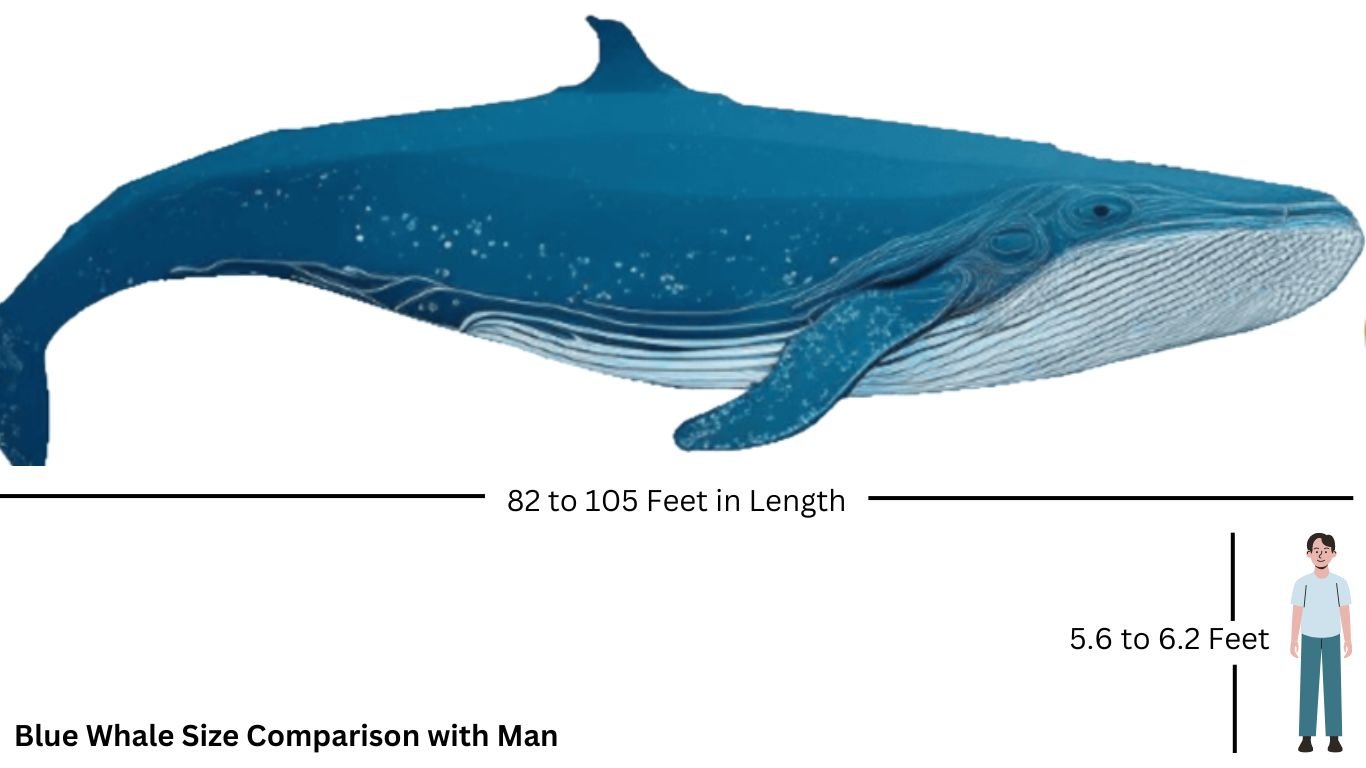
The blue whale is the largest animal known to have lived. Adults can reach around 30 meters (about 100 feet) in exceptional cases, although most individuals are smaller and estimates of maximum weight are uncertain.
The essentials
Its massive body is sustained largely by feeding on krill, using expandable throat pleats and baleen to take in and filter enormous mouthfuls of seawater and prey. Size is related to the productivity of marine feeding grounds.
What makes this subject distinctive
A blue whale’s length should not be confused with its height or with the length of every individual. Measurement methods, subspecies, and historical records all affect comparisons with other whales or extinct animals.
Extreme size, speed, and age figures are especially prone to exaggeration. The strongest comparisons identify the species, measurement method, and whether the claim concerns an average animal or an exceptional record. Scientific uncertainty is part of a useful answer, not a weakness.
Common misconceptions and limits
Reliable records come from measured specimens and research surveys, not viral images with distorted scale. Estimates of the biggest-ever whale need especially careful source scrutiny.
An observation of one individual does not define a species. Ocean temperature, depth, prey abundance, migration, and age shape marine behavior. Even size and speed claims need a measured scale, a clearly named species, and the circumstances of observation.
How marine ecology shapes the answer
Depth, temperature, local prey, and life stage influence marine animals. The same species can behave differently on a coastal nursery ground and in the open ocean, so a description based on a single diver encounter is incomplete.
Key points at a glance
The blue whale is the largest animal known to have lived.
Its massive body is sustained largely by feeding on krill, using expandable throat pleats and baleen to take in and filter enormous mouthfuls of seawater and prey.
A blue whale’s length should not be confused with its height or with the length of every individual.
Frequently asked questions
What is the main scientific point?
The blue whale is the largest animal known to have lived.
Can this vary among species or individuals?
Its massive body is sustained largely by feeding on krill, using expandable throat pleats and baleen to take in and filter enormous mouthfuls of seawater and prey.
What should readers treat cautiously?
Reliable records come from measured specimens and research surveys, not viral images with distorted scale.
Explore related guides
Ocean Wildlife Guide: Sharks, Whales, Rays and Unusual Sea Creatures
