Ocean Wildlife Guide: Sharks, Whales, Rays and Unusual Sea Creatures
A practical, source-led guide to ocean animals, sharks and sea life, with accurate explanations and links to detailed topics.
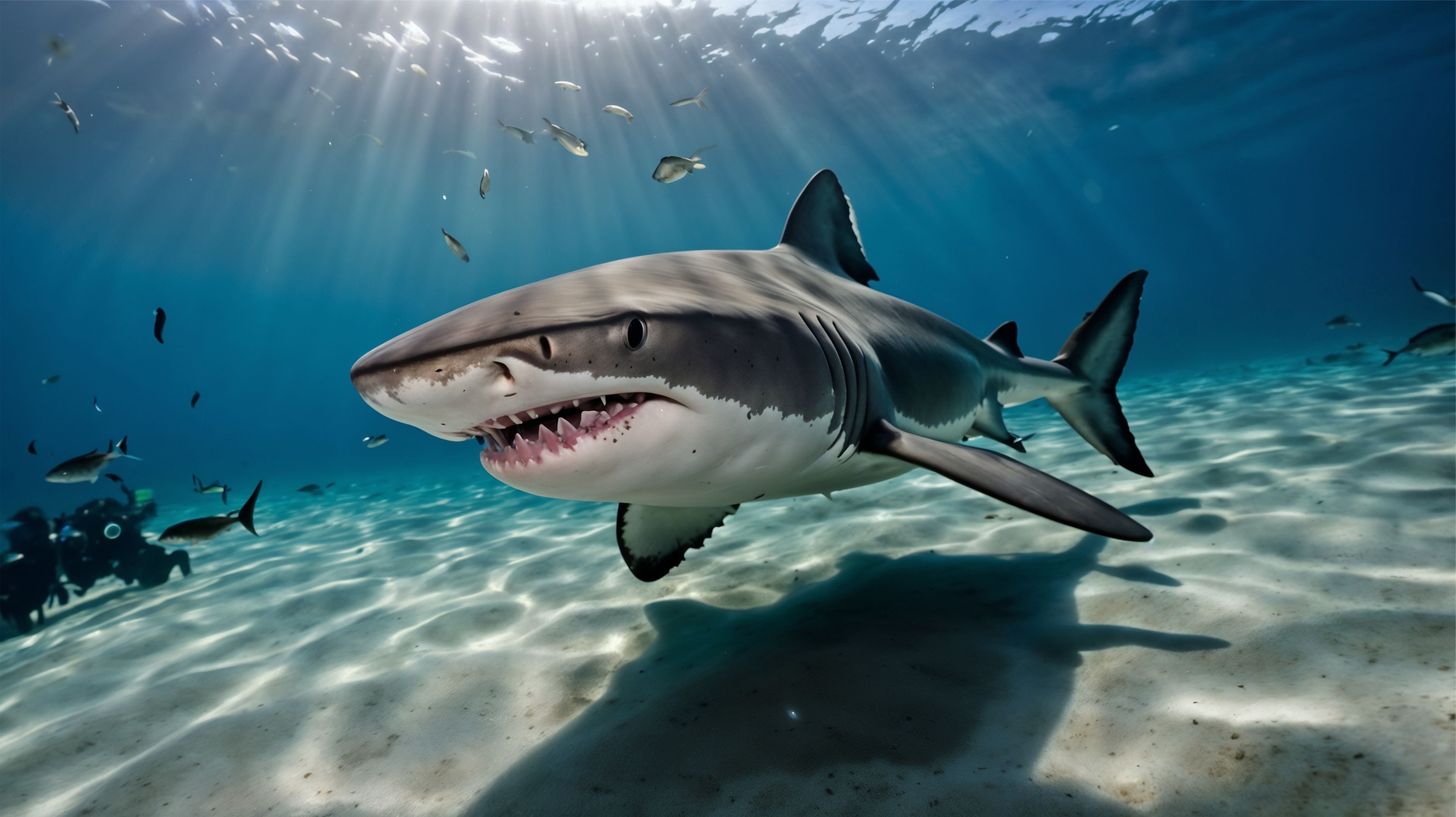
Ocean Wildlife Guide: Sharks, Whales, Rays and Unusual Sea Creatures
The ocean contains everything from plankton-filtering giants to animals that search the seafloor for hidden prey. Understanding those species requires looking beyond striking pictures and thinking about habitat, food webs, anatomy, and the limits of measurement.
The ocean is a collection of habitats
Open-water zones, reefs, continental shelves, deep-sea plains, and coastal nurseries differ in light, temperature, food, and shelter. A whale that feeds in productive waters and a stingray resting on sandy bottom occupy very different niches, even when both appear in the same documentary.
In practical reading, this distinction helps prevent a narrow example from becoming an unsupported general rule. Ask which place, species, time period, instrument, or source the claim concerns. That context often changes the meaning of an otherwise simple fact.
How animals find and capture food
Sharks rely on diverse sensory systems and feeding strategies; squid use muscular arms and hard beaks; filter feeders such as blue whales and whale sharks capture enormous quantities of comparatively small prey. Teeth alone cannot tell the whole story, and it is wrong to treat every large marine animal as a threat to people.
In practical reading, this distinction helps prevent a narrow example from becoming an unsupported general rule. Ask which place, species, time period, instrument, or source the claim concerns. That context often changes the meaning of an otherwise simple fact.
Size, speed, and lifespan are species-specific
Blue whales demonstrate the remarkable dimensions marine mammals can reach, while sharks illustrate why age estimates vary dramatically. Measurements of swimming speed are notoriously difficult to compare. A responsible guide distinguishes a verified record, a commonly observed range, and an estimate made from indirect evidence.
In practical reading, this distinction helps prevent a narrow example from becoming an unsupported general rule. Ask which place, species, time period, instrument, or source the claim concerns. That context often changes the meaning of an otherwise simple fact.
Food webs and ecological relationships
Jellyfish become prey for turtles and other animals, squid feed predators throughout the water column, and many rays turn over the seafloor while searching for food. Marine ecology is a network of relationships rather than a ladder with one top predator. Changes in one food source can affect many species.
In practical reading, this distinction helps prevent a narrow example from becoming an unsupported general rule. Ask which place, species, time period, instrument, or source the claim concerns. That context often changes the meaning of an otherwise simple fact.
Respectful observation of marine wildlife
Swimming with or viewing wild animals is not proof that close handling is safe. Animals can be stressed or injured through chasing, feeding, or touching. Good conservation information emphasizes distances, local rules, and reliable population data instead of sensational encounter videos.
In practical reading, this distinction helps prevent a narrow example from becoming an unsupported general rule. Ask which place, species, time period, instrument, or source the claim concerns. That context often changes the meaning of an otherwise simple fact.
Checking the evidence
An observation of one individual does not define a species. Ocean temperature, depth, prey abundance, migration, and age shape marine behavior. Even size and speed claims need a measured scale, a clearly named species, and the circumstances of observation.
Depth, temperature, local prey, and life stage influence marine animals. The same species can behave differently on a coastal nursery ground and in the open ocean, so a description based on a single diver encounter is incomplete.
Frequently asked questions
Are all large ocean animals dangerous predators?
No. Blue whales and whale sharks feed largely on small prey, while other species hunt larger animals.
Why do marine size records conflict?
The source may use different individuals, measurement methods, units, or unverified estimates.
Is it safe to feed wild marine animals?
No. Feeding and close handling can disturb wildlife and create hazards. Follow local regulations.
Explore related guides
Use these focused articles when you need a species profile, a historical timeline, a specific measurement, or a closer look at one physical process. Each guide has a narrower purpose than this overview.
How Big Are Blue Whales? Length, Weight and Comparison
What Do Sharks Eat? Diets and Feeding Strategies
How Long Do Sharks Live? Lifespan and Species Differences
Squid Beaks: Structure, Function and Hunting
Great Barracuda: Size, Habitat and Feeding
Fastest Fish in the Ocean: Sailfish and Speed Claims
