Squid Beaks: Structure, Function and Hunting
Squid Beaks: Structure, Function and Hunting Explore evidence-based facts, context and common misconceptions.
Squid Beaks: Structure, Function and Hunting
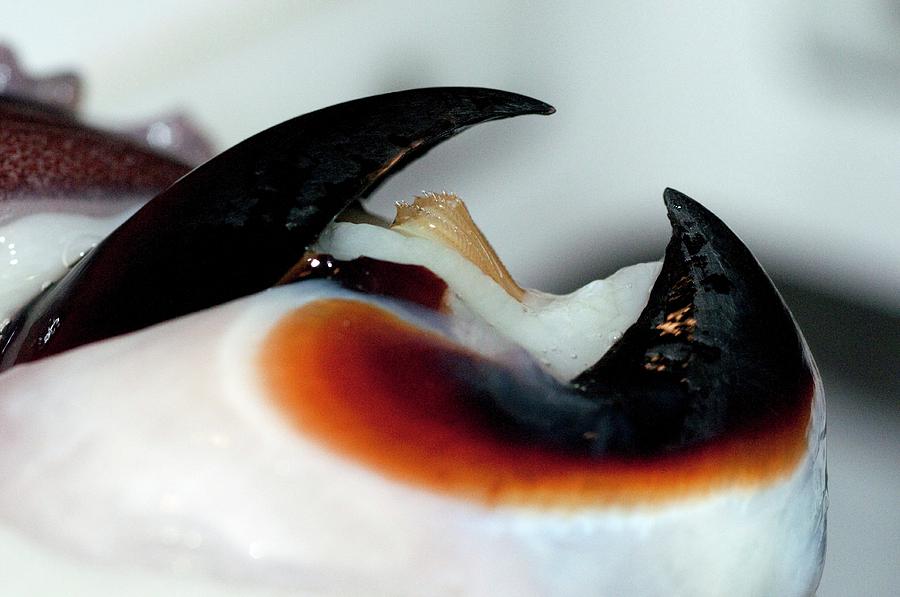
A squid has a hard, curved beak inside its muscular arms, used to bite and process prey before food passes toward the digestive tract. The beak is not a bird-like external nose or an extra set of jaws.
The essentials
The beak works together with the radula, a tongue-like feeding structure bearing tiny teeth. Its hard material is biologically specialized, and the shape can help scientists study squid diets and identify remains in predator stomachs.
What makes this subject distinctive
Beak size differs among squid species and does not map perfectly to total body size. A photograph of a detached beak can therefore be deceptive without a verified species and scale.
Extreme size, speed, and age figures are especially prone to exaggeration. The strongest comparisons identify the species, measurement method, and whether the claim concerns an average animal or an exceptional record. Scientific uncertainty is part of a useful answer, not a weakness.
Common misconceptions and limits
Recovered squid beaks have scientific value because some predators digest softer tissue while the hard beak remains. This gives researchers clues about food webs, though identification requires care.
An observation of one individual does not define a species. Ocean temperature, depth, prey abundance, migration, and age shape marine behavior. Even size and speed claims need a measured scale, a clearly named species, and the circumstances of observation.
How marine ecology shapes the answer
Depth, temperature, local prey, and life stage influence marine animals. The same species can behave differently on a coastal nursery ground and in the open ocean, so a description based on a single diver encounter is incomplete.
Key points at a glance
A squid has a hard, curved beak inside its muscular arms, used to bite and process prey before food passes toward the digestive tract.
The beak works together with the radula, a tongue-like feeding structure bearing tiny teeth.
Beak size differs among squid species and does not map perfectly to total body size.
Frequently asked questions
What is the main scientific point?
A squid has a hard, curved beak inside its muscular arms, used to bite and process prey before food passes toward the digestive tract.
Can this vary among species or individuals?
The beak works together with the radula, a tongue-like feeding structure bearing tiny teeth.
What should readers treat cautiously?
Recovered squid beaks have scientific value because some predators digest softer tissue while the hard beak remains.
Explore related guides
Ocean Wildlife Guide: Sharks, Whales, Rays and Unusual Sea Creatures
