Oura vs RingConn: Which Smart Ring Fits Your Needs?
Direct brand-to-brand buying comparison current generations in 2026. Practical US-English guide with sourced details and clear limitations.
Oura vs RingConn: Which Smart Ring Fits Your Needs?
Information checked: November 1, 2026
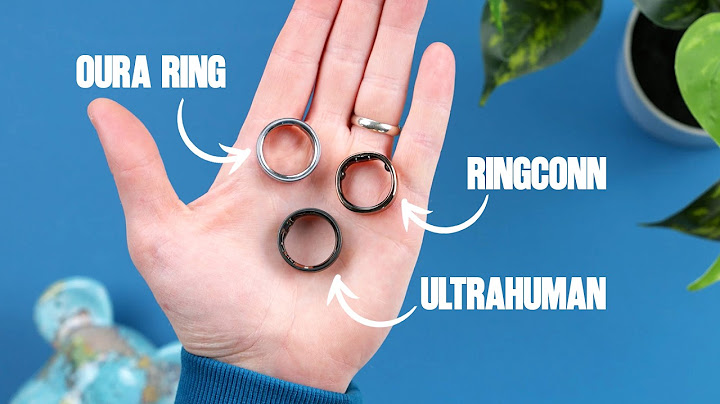
Oura and RingConn are both finger-worn wellness trackers, but they make different trade-offs in software, membership and hardware. As of November 2026, Oura Ring 5 and RingConn Gen 3 are the current generations to examine, although older models remain on the market. Oura emphasizes its app-based readiness, sleep and health interpretations; RingConn highlights a no-subscription approach and long battery claims. The best choice depends on which information you will actually use, not a single sensor count.
Subscription cost versus included software
Oura states that active membership unlocks detailed insights, while without a membership recent generations display only three daily scores, ring battery and limited app functions. RingConn's official comparison lists no subscription fee for Gen 3, Gen 2 or Gen 2 Air. That changes the total cost over multiple years. Compare the purchase price plus recurring fees over the planned ownership period, and ask whether software access, exports, customer support and integrations meet your needs.
Battery and physical design comparison
Oura's official Ring 5 guidance gives a typical battery range of 6–9 days. RingConn's Gen 3 chart advertises up to 14 days; the figures come from different test methods and should not be treated as a controlled head-to-head result. Fit matters more than a few millimeters on paper: each manufacturer uses its own sizing process, sensor layout and charging hardware. Try the correct sizing kit and consider whether you can wear the device through ordinary sleep and work.
What the measurements can and cannot establish
Both platforms provide wellness indicators such as sleep and activity trends, but they should not be assumed to diagnose sleep apnea, heart disease or another condition. Read the precise feature descriptions for the model and your country; regulatory clearance, if applicable, may be narrower than marketing language suggests. An isolated poor sleep score can reflect wear, illness, travel or normal variability. The more useful question is whether the insights help you notice patterns and change habits safely.
Privacy and day-to-day experience
Check what data the company collects, how to revoke third-party permissions, and what happens if you cancel an account. Some people will value rich coaching and integrations, while others want basic trends with fewer recurring costs. Also account for charging frequency, the comfort of wearing jewelry while exercising, and whether the ring must be removed for heavy lifting or manual work.
Choosing checklist
Compare current generations, not an older model to a newly released one.
Calculate recurring fees, not just checkout price.
Use model-specific sizing kits and review battery fine print.
Prioritize metrics you can interpret and act upon.
Frequently asked questions
Is RingConn cheaper than Oura over time?
It may be when membership costs are included, but hardware pricing, discounts and lifespan also matter.
Which smart ring has longer battery life?
RingConn Gen 3 advertises up to 14 days; Oura Ring 5 typically lasts 6–9 days. These are manufacturer figures, not identical tests.
Can either ring replace medical monitoring?
No. Use wellness measurements as supporting trends and speak with a clinician about symptoms or diagnoses.
Related reading
For a focused follow-up, see RingConn Gen 2 in 2026; Oura Ring Alternatives; Can You Use Oura Ring Without a Subscription in 2026?.