Pet Insurance for Bearded Dragons: What to Check
Find out what to ask about exotic-pet coverage for bearded dragons and how to budget if insurance is unavailable.
Pet Insurance for Bearded Dragons: What to Check
Insurance for a bearded dragon is a specialized exotic-pet question, not a typical dog-and-cat shopping task. Nationwide's official U.S. exotic-pet FAQ names bearded dragons among listed reptiles, subject to specific eligibility rules. Before spending money, obtain written species and ZIP-code confirmation and check the veterinary, waiting-period and exclusion provisions of the exact policy.
Where species eligibility comes from
The term reptile insurance is too broad to prove a particular species can enroll. An insurer may accept one lizard species and exclude another or require additional eligibility checks. Nationwide's published exotic-pet information includes bearded dragons in its list of potentially insurable animals, but enrollment is not a nationwide guarantee for every animal or ZIP.
Contact the product provider directly, state the scientific or common species name and age, and request the currently issued exotic-pet form. Keep the answer in writing. Never substitute a generic dog-and-cat accident-and-illness contract.
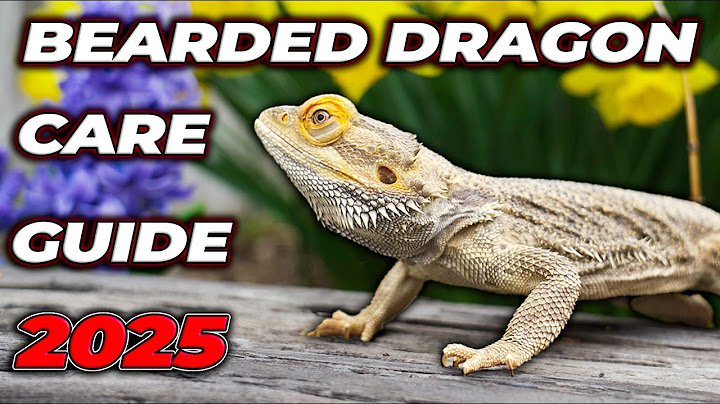
Ask about veterinary services, not marketing categories
For a reptile, practical questions might include eligible emergency visits, injury treatment, diagnostics, hospitalization, prescribed medication and visits to an appropriately licensed exotic-animal veterinarian. The policy may exclude wellness or routine care and may limit certain charges. The actual contract—not the fact that 'illness' appears on a sales page—determines reimbursement.
Seek reptile-experienced veterinary advice for medical and husbandry questions. Insurance articles cannot diagnose symptoms, estimate necessary treatment or substitute for a specialist's evaluation.
Read the exclusions closely
Pre-existing clinical findings, waiting periods, congenital issues, elective services and care associated with excluded conditions can affect payment. Some exotic policies exclude animals requiring special permits or categories of species; verify the relevant rules before applying. Don't assume that a condition discovered after purchase is covered when signs existed beforehand.
Ask the insurer to identify any species-specific restrictions, annual maximums and the documentation it needs from a reptile veterinarian. Insurance for birds, small mammals and reptiles should never be treated as a uniform product.
How to compare a quote
Write down the pet's exact age, ZIP, annual deductible, reimbursement percentage, annual benefit cap and effective date. Ask whether a clinic bill must be paid before reimbursement, how medicines and diagnostics are categorized, and whether follow-up treatment consumes the same annual limit. Any advertised starting rate is only a marketing reference until the insurer issues a quote for this animal.
For a broader discussion of treatment categories, see pet medical insurance, while remembering that cat-and-dog product examples do not establish reptile eligibility.
Build a backup financial plan
Even with a valid policy, owners should keep cash available for excluded expenses, a deductible and the delay between veterinary payment and a reimbursement decision. Compare the quoted annual premium with the benefit limits and likely exclusions. Without an eligible current product, a dedicated emergency fund may be more useful than a misleading marketplace comparison.
If you care for more than one species, review each animal separately. Rabbit pet insurance addresses another distinct exotic-pet market. The national comparison guide explains general contract selection but does not rank reptile carriers.
A species-specific claim scenario
Consider a bearded dragon whose owner seeks an urgent examination after a sudden injury. The clinic may provide an exotic-animal consultation, imaging, treatment and medication. Even if an insurer lists bearded dragons as an eligible category, the particular invoice must satisfy the policy’s coverage definitions, pre-existing-condition terms, deductible and limits. A quoted plan may also have rules governing the veterinary professional or eligible treatment location.
Ask the insurer to discuss a hypothetical itemized invoice and distinguish accident care from routine husbandry or wellness costs. Do not rely on an answer originally given for a dog or cat policy. A reptile-experienced veterinarian, not an insurer brochure, should advise on clinical care and whether the animal requires prompt evaluation.
What to recheck before publication or purchase
Insurance availability, underwriting relationships, payment procedures and sales offers may change. Date each product statement and keep the exact policy version that supports it. Avoid carrying a historical launch announcement forward as proof that a plan is available everywhere today. If a provider changes administrators or marketing channels, establish which organization is legally responsible for the contract and where claims are handled.
A pet owner's best next step is to ask for an individual quote or written service-status confirmation, then preserve the response. An editor should follow the same discipline before publishing a definitive claim. This article is informational and does not stand in for veterinary treatment advice, individualized insurance advice, or the enforceable language of a policy.
Quick comparison checklist
| Item to verify | What to record before buying |
| Species | Written confirmation this species is eligible |
| Clinical care | Exotic veterinarian, services and exclusions |
| Costs | Premium, deductible and annual benefit cap |
| Medical history | Waiting periods and prior veterinary findings |
Frequently asked questions
Can a bearded dragon get pet insurance?
Nationwide lists the species in its exotic-pet materials, but you must confirm current enrollment eligibility and available policy terms.
Does regular dog insurance include reptiles?
Usually dog-and-cat products do not cover exotic reptiles; verify named species eligibility.
Are specialist vet bills covered?
Coverage depends on the policy’s definition of eligible licensed veterinarians and services.
What if no insurer will cover my animal?
Plan for emergency savings and vet costs rather than assuming a generic pet policy will work.