Pet Dental Insurance: What Dental Care Is Covered?
Compare dental accident, illness and routine cleaning coverage in pet insurance, including limits and exclusions.
Pet Dental Insurance: What Dental Care Is Covered?
Pet dental insurance can cover certain unexpected dental injuries or illnesses, but that does not mean routine cleaning is included. The key distinction is whether the policy addresses accidental tooth damage, disease-related treatment, scheduled preventive care, or some combination. Confirm extraction, examination, anesthesia and dental waiting-period rules in the actual policy before buying.
Dental injury, disease and cleaning are not the same
A broken tooth caused by a covered accident may be evaluated differently from periodontal disease that has developed over time. Some policies cover specified dental illnesses only when the pet has met preventive-care requirements; others limit coverage to accidental injuries. A routine cleaning is usually considered preventive care rather than an unexpected insured loss.
When you see an advertisement mentioning dental coverage, ask the insurer to name the covered categories. Does the benefit include tooth fractures, gum disease, extractions and dental imaging? Must the dental problem have begun after the policy's waiting period? Does the contract treat tooth resorption in cats differently from an injury? Make these questions specific to the animal you own.
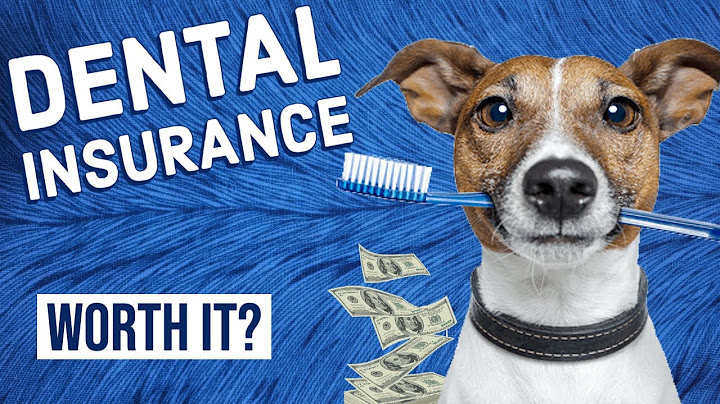
The bill may contain separate covered and uncovered pieces
A dental procedure can include examination, anesthesia, imaging, cleaning, surgery, medication and aftercare. It is possible for a policy to cover one component and exclude another, depending on its definitions and riders. An invoice total is therefore not a reliable estimate of reimbursement. Ask for an itemized treatment plan and check each relevant fee category.
Do not assume that anesthesia is covered solely because surgery is covered, or that an exam fee rider covers everything the veterinarian charges. Annual caps, dental-specific limits, benefit schedules and deductible rules may affect the amount ultimately reimbursed.
How wellness additions change the picture
A wellness add-on can sometimes reimburse a scheduled cleaning, but it often has a defined benefit amount rather than unlimited reimbursement. Compare the extra premium with the actual scheduled allowance. If an add-on costs more than the preventive benefit you are likely to claim, it may not improve your household's finances.
A wellness program is not a substitute for medical insurance against an unexpected dental illness. Read its terms separately. The medical insurance overview explains how these benefit types fit alongside accident-and-illness plans.
Pre-existing signs are especially important
Prior dental findings can affect eligibility for future procedures, even if the animal's owner did not realize treatment would be needed. A vet note documenting tartar, gingivitis, a cracked tooth or mouth pain may be relevant to how an insurer defines an earlier condition. Gather the historical records and ask which diagnoses, signs or procedures would be treated as pre-existing.
Do not infer that a dental procedure becomes insurable merely because it takes place after the policy begins. The pre-existing conditions guide explains how symptom timing, waiting periods and curable-condition provisions can matter.
Ask for a dental-specific written answer
Request the dental section of the specimen policy and a plain explanation of covered illnesses and injuries. Verify whether any annual dental examination or documented cleaning is required to keep coverage valid. Ask whether anesthesia, dental X-rays and specialist fees are eligible and whether reimbursement is limited to a specified schedule.
If your veterinarian anticipates a treatment, provide the insurer with enough detail to answer the question while avoiding an assumption of preapproval. An estimate can help you budget, but it is not necessarily a binding coverage determination. Compare the entire plan via the best pet insurance checklist.
Budgeting when coverage is narrow
Keep a separate allowance for cleanings, examinations and other expected maintenance. Choose insurance for the risks it actually transfers rather than counting a preventive reimbursement twice. Even under a broad medical plan, an excluded dental condition may remain entirely your responsibility.
A sensible buying process is to list the dental care your pet is likely to need, identify which part is preventive versus uncertain illness, and match those needs to documented benefits. Veterinary advice should guide treatment decisions; policy wording should guide expectations about reimbursement.
A dental claim example without a coverage promise
Suppose a dog arrives at the clinic after cracking a tooth while playing. The veterinarian recommends an exam, imaging, extraction and medication. A policy might treat the accident itself as eligible but exclude some examination charges or apply a condition-specific rule. By contrast, a cleaning scheduled before any injury may fall under preventive care even if the same veterinarian performs both procedures. One dental label in an advertisement does not resolve those distinctions.
Ask the carrier to walk through both hypothetical cases using its written dental section. Determine which charges are conditionally covered, which require an endorsement and whether old dental findings matter. A veterinarian should decide what treatment is appropriate; the owner can separately evaluate the policy's financial contribution.
A two-column contract-reading exercise
Place the insurer's marketing summary beside the specimen policy. In the first column write the appealing benefit or claim from the advertisement; in the second, copy the precise definition, exclusion, limit or endorsement that governs it. Highlight any term that is missing from the written document and request clarification before buying. This prevents a common mistake: assuming the headline level of coverage controls each individual line of a future invoice.
Repeat the exercise at renewal, because prices and approved terms may change. Keep earlier versions and dated correspondence. If you cannot reconcile an apparent inconsistency, speak with the insurer or a licensed agent rather than guessing. The objective is a policy whose practical limitations are as clear as its advertised strengths.
Quick comparison checklist
| Item to verify | What to record before buying |
| Coverage | Accident-only versus accident-and-illness; riders |
| Payment | Premium, deductible, eligible-expense formula |
| Limits | Annual benefit maximum and sub-limits |
| Fine print | Waiting periods, exclusions and renewal rules |
Frequently asked questions
Does pet insurance cover teeth cleaning?
Not automatically. Routine cleanings are commonly preventive, sometimes eligible only under a wellness benefit.
Are dental extractions covered?
Some may be covered when arising from an eligible injury or illness. Ask about the diagnosis, teeth involved and exclusions.
Can dental X-rays be reimbursed?
They may be eligible when part of a covered treatment, subject to policy terms and fees.
Does a dental waiting period apply?
Policy terms vary. Check whether dental illness, accident and orthopedic waiting periods are treated separately.
Will a previously noted dental problem be covered?
It may be excluded as pre-existing, even if a procedure occurs after enrollment.
Should I buy dental coverage instead of general medical coverage?
Compare the complete policy; dental benefits are only one part of managing veterinary financial risk.