Rabbit Bedding vs Litter: Safe Materials and Setup
Understand rabbit bedding versus litter tray material, compare paper-based options, avoid unsafe scented or clumping products, and plan a dry resting area.
Rabbit Bedding vs Litter: Safe Materials and Setup
Rabbit bedding and rabbit litter are related, but they do different jobs. Bedding is the material or surface a rabbit rests on; litter goes in the designated toilet area to absorb urine and make cleanup easier. A comfortable rabbit home can use a soft, dry resting surface and a separate open litter tray with safe absorbent material and reachable hay.
That distinction is more useful than searching for one product labeled “best bedding for rabbits.” A soft product may be pleasant in a sleeping area but poor at absorbing urine, while a highly absorbent litter may be uncomfortable as an all-purpose floor covering.
Bedding versus litter: what belongs where?
A resting area needs dry, supportive footing and a place to settle away from waste. Depending on the rabbit and housing setup, washable non-slip mats, suitable easy-to-clean flooring and rabbit-safe soft paper products may be useful. Watch for chewing; loose threads, foam and plastic-backed mats can become hazards if a rabbit ingests them.
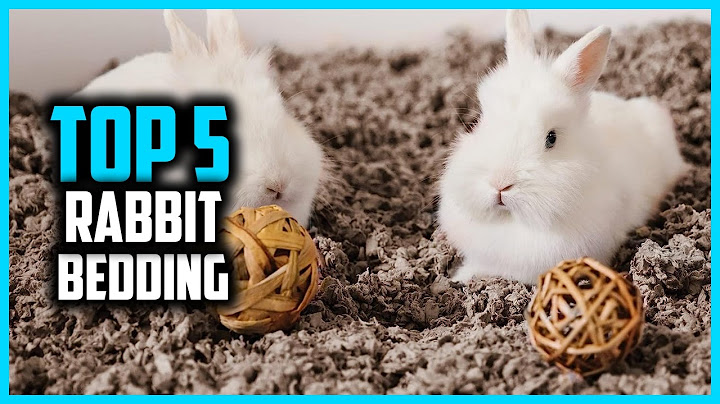
A litter tray needs an absorbent substrate that is unscented, low-dust, non-clumping and appropriate for rabbits. Recycled-paper pellets or paper-based litter are straightforward choices. Position hay at one clean end or near the tray so the rabbit can graze naturally; do not rely on dirty litter-tray hay as the only food source.
Paper-based substrates: a practical starting point
Paper pellets are often useful in a litter box because they absorb urine and can be removed easily. Softer paper bedding can be used in suitable resting areas, although its performance and comfort vary by product. Avoid materials with added fragrance, deodorizing crystals, artificial scent, or unknown coatings.
Check the packaging and observe the rabbit. If a rabbit persistently eats a nonfood bedding material or the material breaks into dusty particles, replace it and speak to a rabbit-experienced veterinarian about safe alternatives. The label “natural” by itself does not prove an item is harmless when chewed.
Materials to avoid and why
Clumping clay cat litter is a poor choice because rabbits may ingest it while grooming, and clumping material can create a risk of intestinal obstruction. Dusty clay, silica crystals and heavily perfumed products are also unsuitable. Aromatic pine and cedar shavings are often discouraged because of respiratory irritation and other safety concerns.
Processed wood-based pellets are a separate category from raw softwood shavings. Rabbit-care organizations give different practical guidance depending on treatment and ingredients; some accept appropriate heat-processed pellets, while others prefer paper or straw. If you cannot verify additives and processing, choose a clearly rabbit-appropriate paper option and ask your vet before experimenting. Avoid treating ordinary cat litter as interchangeable with rabbit litter.
Keep the resting area dry and comfortable
A rabbit's feet benefit from a stable, non-slip surface; slippery floors and constantly damp bedding can contribute to discomfort. Use a clean resting zone away from the toilet area, provide places to hide, and check the skin under the feet, especially in larger or mobility-limited rabbits. Comfort matters more than a thick layer that stays wet underneath.
Wash reusable materials using products that rinse clean and do not leave a strong scent, then dry them thoroughly before replacing. Do not assume every blanket or fleece product is safe: if the rabbit pulls out threads or eats the fabric, choose an alternative and obtain veterinary advice about any suspected ingestion.
Why hay belongs nearby, but should stay edible
Hay is the foundation of a rabbit's diet, so it should always be clean and freely available. It is fine to use a small amount to encourage a rabbit into the litter tray, but remove hay once wet or soiled. Keep a separate supply of fresh grass hay for eating and use a feeder or clean pile that the rabbit can reach without awkward stretching.
Hay placed near the tray helps many rabbits connect grazing with their preferred toilet spot. It does not mean every sleeping surface should be covered with hay, or that a hay feeder can substitute for hygiene. For feeder styles and safe rack placement, see our rabbit hay feeder guide.
Cleaning routines that work in real homes
Check litter trays and sleeping areas every day. Remove saturated litter, damp bedding, and soiled hay promptly; replenish fresh material as needed. Clean reusable surfaces and the tray periodically using a rabbit-safe approach, rinse thoroughly, and make sure everything is dry before the rabbit returns.
A strong odor should prompt checking for a neglected wet area rather than hiding it with fragrance. The required cleaning frequency varies with rabbit count, box size and the substrate. Owners of bonded pairs may need more than one tray or larger absorbent areas. Learn how the rabbit litter box with hay feeder station can be set up to separate clean hay from wet litter.
Choose materials for the rabbit in front of you
A rabbit that chews textiles may need a different resting surface from one that leaves them alone. Senior rabbits can benefit from a low-entry toilet station and easy-to-reach food. Rabbits with long fur, incontinence or limited mobility may need closer monitoring for wet skin and foot irritation.
Do not solve every issue by buying another bedding bag. If a rabbit becomes suddenly messy, urinates unusually, strains, or seems painful while moving, arrange a rabbit-savvy veterinary assessment. A rabbit refusing food or producing no droppings needs urgent help.
When choosing a tray that can support a bonded pair or an older rabbit, our large rabbit litter box guide focuses on usable floor space and step-in height rather than bedding brands.
Bedding and litter shopping checklist
Is the product clearly intended for rabbit use, with ingredients and additives disclosed?
Is it unscented, low-dust and non-clumping, without crystals or clay?
Will the rabbit be able to stand or rest without slipping?
Can wet material be removed promptly without leaving the area damp?
Does the rabbit chew or ingest the material, and can it be safely replaced?
Will the resting area stay separate from the most heavily used toilet area?
There is no single universal “best bedding” independent of the individual rabbit and its living environment. Choose comfort and verified safety over marketing labels, and reevaluate when the rabbit's behavior changes.
Frequently asked questions
Is rabbit bedding the same as litter?
No. Bedding provides a clean and comfortable resting surface; litter is placed in the toilet area to absorb urine. Some materials can serve both roles, but the most appropriate texture and cleaning routine may differ.
What is a safe rabbit litter for beginners?
Unscented, non-clumping, rabbit-appropriate recycled-paper litter is a sensible starting option. Always check ingredients and avoid dust, fragrances and unknown additives.
Can rabbits sleep on fleece or blankets?
Some do well on clean, non-slip washable fabric, but rabbits that pull and swallow fibers should not be left with chewable textiles. Check daily for fraying and dampness.
Is pine bedding safe for rabbits?
Avoid aromatic pine and cedar shavings. Some guidance distinguishes processed wood pellets from shavings, but ingredients and treatment vary; choose a verified rabbit-safe product or seek veterinary advice.
Does a rabbit need hay in the litter box?
It is not mandatory, but offering fresh hay at the clean end or close to the tray can encourage natural grazing and litter habits. Keep unlimited clean hay available beyond the tray as well.