Rabbit Chew Toys: Types, Materials and Safety
Compare rabbit chew toy materials, recognize safety hazards, and choose enrichment options without unsafe glues, loose parts or false product claims.
Rabbit Chew Toys: Types, Materials and Safety
Rabbit chew toys give pet rabbits something appropriate to investigate, gnaw, pull apart, and move. A good chew toy is not defined by a brand name or a dramatic promise to 'grind down teeth'; it is defined by materials you can identify, a construction your rabbit can use without injury, and a willingness to remove the item when it becomes unsafe. Chewing is normal for rabbits, but enrichment toys are supplementary to a hay-rich diet and suitable veterinary dental care. This guide compares practical categories and shows what to inspect before a toy enters the play area.
Why rabbits chew, and what a toy can actually do
Rabbits explore objects with their mouths and enjoy manipulating things around them. Their teeth continue to grow, and suitable high-fiber forage plays an important role in normal chewing patterns. Chew toys may add variety and occupation, but they are not a substitute for unlimited appropriate hay, nutrition, and an examination if chewing becomes painful or abnormal.
One rabbit may shred a cardboard tube while another prefers to toss a willow ball. A rabbit that never touches a commercial chew block is not necessarily bored if it has other safe opportunities to forage and explore. Think of toys as choices within a varied environment rather than an obligatory daily task. When comparing toys, prioritize predictable behavior of materials under chewing, not the number of accessories included in the package.
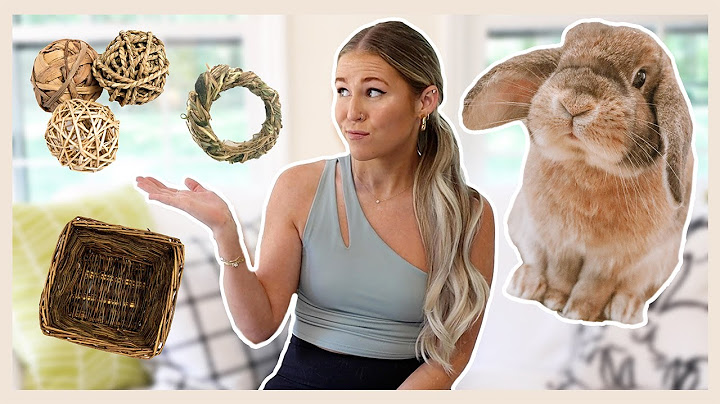
Common materials: useful options and limitations
Plain uncoated cardboard is widely used for rabbit enrichment. Empty paper-towel cores can be offered whole or filled loosely with hay, but remove adhesives, staples, plastic wrapping, and printed glossy layers. If a rabbit eats large amounts instead of shredding, remove the item and seek veterinary guidance; persistent ingestion may be a warning sign.
Untreated natural willow, seagrass, straw-based items, and rabbit-appropriate wood can also be useful. What matters is reliable identification and the absence of chemical preservatives, varnish, paint, mystery coatings, and sharp splinters. 'Natural' on a label does not prove a product has no glue or unsafe dye. Avoid foraged branches unless you can verify the plant species and that the material has not been sprayed.
Plastic components require particular caution if a rabbit gnaws off pieces. Fabric, rope, and plush materials may expose long fibers or elastic strands as they wear. These are not equivalent to chew-safe paper and plant-fiber items. Don't assume a toy sold for dogs, parrots, or children is suitable for a rabbit just because it looks sturdy.
A pre-purchase label and construction checklist
Start with a full ingredient or material description. If the package says only 'assorted natural materials,' ask for specifics or choose a clearer alternative. Inspect attachment points: metal clips, hot-glue beads, staples, bells, loose seeds, and decorative ribbons are common reasons to reject a toy. Check whether the size will allow the rabbit to manipulate the item without lodging its head, feet, or jaw in an opening.
Smell and appearance can also be warning signs. Strong perfume, glitter, a slick painted finish, sticky residue, or fraying synthetic mesh should trigger closer investigation. A price premium, a high star rating, or an impressive product photograph cannot replace a physical safety check. For online buying, confirm the exact model and its material details; listings sometimes combine several versions with different construction.
Fit, sharp edges and supervision
A toy can be made from an otherwise suitable material and still be unsafe because of its shape. Check for narrow loops that could trap a limb, small detachable caps, pointed sticks, and a ball whose damaged rim leaves sharp edges. The toy should not block the rabbit's passage through the enclosure or create a resource-guarding bottleneck for a bonded pair.
Supervise new items until you see how the rabbit uses them. Some rabbits quietly gnaw an edge; others aggressively tear and swallow material. Replace items when they unravel, shed fragments, or develop sharp edges. You do not need to hover over every safe minute indefinitely, but you do need an ongoing inspection routine because a toy's safety can change after chewing.
Rotate toys instead of constantly buying more
Offer two or three distinct activity types rather than a floor crowded with identical chew products. A hay-stuffed cardboard tube, a safe plant-fiber ball, and a loose-paper dig station satisfy different behaviors. After a few sessions, remove and clean or discard an item, then rotate in another familiar object. Keep the rest of the environment stable and give the rabbit a choice about whether to engage.
Use daily food thoughtfully in enrichment. A portion of the rabbit's usual pellets or greens can be hidden in a suitable forage activity, but repeated sugary treat dispensers may alter the diet. Make access easy enough that the rabbit is not forced into frustration or dangerous effort to get food. A toy can be interesting without being edible or containing treats.
Simple DIY ideas with controlled materials
For a basic forage roll, use a clean plain cardboard core with no plastic coating and loosely insert some hay. Ensure that the opening is not a snug fit around the rabbit's head. For a tear-and-search activity, put crumpled uncoated paper around a small portion of the usual food ration in an open, shallow box. For a tossing activity, offer a rabbit-appropriate willow ball under observation.
Avoid hot-gluing cardboard castles, stitching fabric bundles with long thread, or hiding food inside sealed hard containers. DIY enrichment is valuable because owners can inspect every component, but only when the materials really are known and the finished toy can be opened, cleaned, and discarded safely. A rabbit that prefers a tunnel or digging box is not failing a toy test; enrichment should accommodate individual preferences.
When to discard a toy—and when to call a veterinarian
Discard toys with exposed metal, chewed plastic fragments, wet moldy fiber, frayed string, sharp broken edges, or an opening that has become a trap. If an item has been soiled with urine, follow safe cleaning guidance for its material or replace it. Don't leave a damaged object in place because the rabbit seems fond of it.
Monitor eating, fecal output, activity, and normal chewing. If the rabbit appears to have swallowed a substantial amount of a nonfood material, stops eating, produces fewer droppings, or seems in pain, contact a rabbit-savvy veterinarian promptly. Do not attempt to treat possible obstruction with a home remedy or force food without veterinary advice.
Common chew toy categories compared
| Toy type | Potential benefit | Inspect closely for |
| Uncoated cardboard roll | Shredding and forage play | Glue, coatings, excess ingestion |
| Willow or seagrass item | Manipulation and chewing | Treatment, loose ties, unraveling |
| Rabbit-appropriate wood | Gnawing and texture variety | Verified species, paint, splinters |
| Hay-based activity | Foraging with familiar food | Mold, hidden wire or binding |
| Plastic or fabric novelty | May be intended for other play | Swallowed pieces, long fibers, loops |
Frequently asked questions
Are cardboard chew toys safe for rabbits?
Plain uncoated cardboard is often suitable for supervised enrichment. Remove tape and staples and stop offering it if the rabbit is eating large amounts rather than mainly shredding.
Can a chew toy replace hay for dental health?
No. Proper rabbit nutrition and access to good-quality hay remain essential. Toy marketing cannot diagnose or prevent dental disease, and suspected tooth problems require a veterinarian.
Is painted wood safe for rabbit chewing?
Avoid paint, varnish, preservatives, and unidentified finishes. Choose rabbit-appropriate untreated materials with a clearly described source.
How many toys should a rabbit have?
There is no magic number. Offer a variety of safe activities without cluttering the enclosure, then rotate options based on what the rabbit actually uses.
When should I throw out a rabbit chew toy?
Replace it when parts loosen, fibers fray, edges become sharp, it is badly soiled, or your rabbit begins swallowing significant pieces.
Key takeaway
The best rabbit chew toy is one whose materials you understand and whose condition you can reassess. Choose a few safe, varied options, keep hay and exercise central, and remove anything that begins to fall apart in a dangerous way.