Rabbit Digging Box: How to Make a Safe Dig Box
Learn how to make a rabbit digging box with safe fillers, easy entry, cleaning tips, and alternatives if your bunny chews the materials.
Rabbit Digging Box: How to Make a Safe Dig Box
A rabbit digging box is a dedicated place where a pet rabbit can paw, push, scatter, and rearrange loose material without pulling up carpet or excavating the edge of an enclosure. For many indoor rabbits, a cardboard box or low-sided tray filled with clean crumpled paper is a practical first version. The goal is not to make a miniature toilet or force a rabbit to play. It is to give a natural digging behavior a safe outlet that is easy to inspect and clean. Start simply, supervise the first sessions, and adjust the design to the rabbit rather than expecting every rabbit to enjoy the same filler.
What makes a useful rabbit digging box?
Choose a container that stays steady when your rabbit plants its front feet against one side. The rabbit should be able to enter independently, turn around, lower its head, and dig without being pressed against sharp corners. A wide, low-entry box often works better than a deep narrow tub, especially for an older rabbit or one with limited mobility. There is no single certified dig-box dimension that fits all breeds: judge usable floor space by observing a relaxed full turn and the rabbit's normal posture.
A play box is not a replacement for exercise space, a separate hide, or access to hay and water. It works as one activity station within an appropriately roomy rabbit-proofed area. Avoid placing a small box in the only passage between a rabbit's resting place and essential resources. For bonded rabbits, watch whether one rabbit guards the opening and consider providing another activity station if access becomes tense.
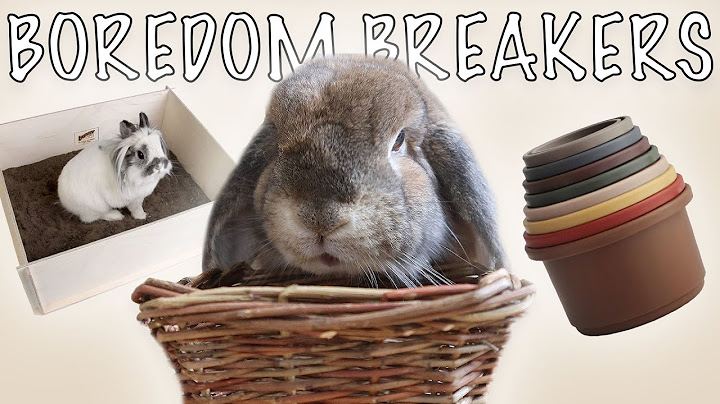
Choose the container before choosing filler
A plain corrugated cardboard box is inexpensive and easy to replace. Remove staples, packing tape, plastic labels, string handles, and loose adhesive patches. Fold or trim any cut edge that feels sharp; keep the sides high enough to contain some paper but low enough to step over without an awkward jump. A sturdy, smooth-sided plastic tray can be simpler to wipe down, provided its edges are not sharp and the rabbit does not gnaw pieces from it.
Avoid unstable stacking bins, wire-bottom baskets, or containers with tight openings. A box that slides around a smooth floor may make a rabbit reluctant to enter; put it on a stable nonslip surface. Do not trap a rabbit inside a lidded tub, and do not use a box with only a small entry if the rabbit might feel cornered. The best design allows the animal to leave whenever it chooses.
Safer fillers: begin with uncomplicated materials
Plain, clean, uncoated paper torn into loose strips or crumpled into lightweight balls is a sensible starting point. It moves easily under the paws and lets you notice soiled or wet patches. A little suitable hay can be incorporated as a forage element, but keep the rabbit's main fresh hay supply available outside the activity box. The digging box is not a place to store a wet, contaminated hay ration.
Some welfare guidance also describes soil or rabbit-appropriate sand as digging media. Those choices need more individual checking than paper: source, dust, moisture, contaminants, and a rabbit's tendency to ingest material matter. Never assume construction sand, scented play material, garden soil treated with chemicals, or clumping litter is safe simply because a label says 'natural.' If you cannot assess the source or your rabbit repeatedly swallows filler, use a paper-based option and ask a rabbit-savvy veterinarian about further choices.
Keep plastic bags, foam beads, craft glitter, ribbon, synthetic stuffing, elastic loops, and shredded documents containing plastic windows out of the box. Avoid heavy objects buried in filler that might fall when the rabbit excavates. The filler should be loose enough to move, not packed so tightly that the animal must force its feet into it.
DIY rabbit digging box: six practical steps
Step 1 — Choose a calm location. Pick a level, ventilated part of the rabbit's usual exercise area where the animal can see an exit and is not startled by frequent foot traffic.
Step 2 — Prepare a broad, low-entry container. Inspect every seam and edge. Remove staples, tape, exposed glue, labels, or other detachable packaging; discard damaged boxes.
Step 3 — Add a shallow loose layer. Begin with plain crumpled or shredded paper rather than several unfamiliar textures at once. You can add more depth gradually if the rabbit seems comfortable.
Step 4 — Make exploration optional. Place a familiar piece of hay or part of the rabbit's normal food ration near the surface, not a pile of sugary treats. Allow sniffing and investigation without lifting the rabbit into the box.
Step 5 — Observe the first session. Look for relaxed pawing and rearranging, but also chewing, swallowing, frantic attempts to escape, or a rabbit guarding the box from a companion. Stop and change the setup when needed.
Step 6 — Reset and clean. Remove soiled paper and replace filler as it becomes damp or dirty. Recheck the box walls and floor for chewed fragments before the next session. A box should remain an enrichment activity, not a permanent dirty storage area.
Where should a digging box go in a playpen?
A corner of an indoor exercise pen can work if the box does not narrow the route to water, hay, a hide, or the regular toilet area. Position it away from the litter tray to avoid teaching the rabbit to treat both boxes as the same station. A washable mat underneath may catch loose paper and protect the floor; check that the mat itself is not being eaten or developing loose fibers.
Keep the area cool and dry, with enough open space for the rabbit to hop away. If the rabbit uses a tunnel, leave a clear route from the tunnel to the box rather than creating a tight dead end. The tunnel should still have an available escape route. For outdoor play, the enclosure must remain escape-proof and predator-resistant; a digging opportunity is not permission to leave a rabbit with access to an unprotected perimeter.
Introduction, supervision and common problems
Some rabbits enthusiastically shovel material out in minutes. Others inspect a box once and ignore it. Offer it briefly during the times the rabbit is naturally active, and rotate the presentation rather than repeatedly pushing the animal inside. You might switch from strips to lightly crumpled sheets, move the box a short distance, or place a small amount of the rabbit's normal forage ration on top. Watching preferences is more useful than counting how many minutes a rabbit digs.
If your rabbit treats the digging station as a toilet, clean it promptly, restore the regular litter tray in its favored location, and avoid punishing the rabbit. If the animal only chews the box, try a sturdier container and different enrichment such as a supervised hay-stuffed cardboard roll; never ignore large-scale ingestion. A rabbit that suddenly stops interacting, hides, produces fewer droppings, or eats less should be evaluated promptly by a rabbit-savvy vet rather than encouraged to dig harder.
Digging box versus litter box
Both may look like a tray, but they serve different jobs. A toilet tray is meant to contain urine and droppings and needs appropriate absorbent litter and hygienic cleaning. A digging box is meant to offer loose movable material for play and foraging; it is monitored and reset when it becomes soiled. Combining the two into one frequently wet station makes it harder to keep filler clean and to understand a rabbit's toileting habits. For a separate toilet setup, use the established rabbit litter box guide rather than turning the play station into an improvised bathroom.
Digging box materials at a glance
| Option | Best use | Main safety check |
| Plain cardboard box | Low-cost starter container | Remove tape, staples, labels; replace when chewed |
| Smooth low-entry tray | Reusable station | No sharp lip, slipping, or gnawed plastic |
| Clean crumpled paper | Starter digging filler | Use plain paper and monitor swallowing |
| Loose hay as an accent | Foraging and texture | Keep main feeding hay fresh and separate |
| Soil or sand | Only with individual assessment | Check source, dust, ingestion, and vet guidance |
Frequently asked questions
Can I make a rabbit digging box from a cardboard delivery box?
Yes, if the box is plain, sturdy enough for the rabbit, and cleared of tape, labels, staples, and any detachable plastic. Replace it when damaged and watch whether the rabbit shreds rather than swallowing large amounts.
How deep should the paper be?
Start with a loose shallow layer that your rabbit can move without difficulty. Add depth based on the rabbit's size, comfort, and behavior; there is no universal safe depth that fits every rabbit.
Should I put sand in a rabbit digging box?
Some animal-welfare guides mention suitable sand, but its source and dust or ingestion risks need assessment. Plain paper is a simpler first option. Ask a rabbit-savvy veterinarian before trying an unfamiliar substrate.
What if my rabbit pees in the digging box?
Remove wet filler, clean or replace the container, and maintain a separate accessible litter tray. Do not punish the rabbit or let the play box stay soiled.
Does a digging box replace a rabbit's daily exercise?
No. It is one enrichment station. Rabbits still need adequate living space, opportunities to run and rest, constant hay and water, and appropriate social and veterinary care.
Key takeaway
A successful rabbit digging box is simple to inspect, easy to reset, and genuinely optional for the rabbit. Build with straightforward materials, supervise the first uses, and judge success by safe, relaxed behavior rather than a perfect-looking DIY project.