Rabbit vs Bunny: Meaning, Age and Usage
Rabbit vs bunny: learn whether the words mean different animals, what a baby rabbit is called and when to use each term.
Rabbit vs Bunny: Meaning, Age and Usage
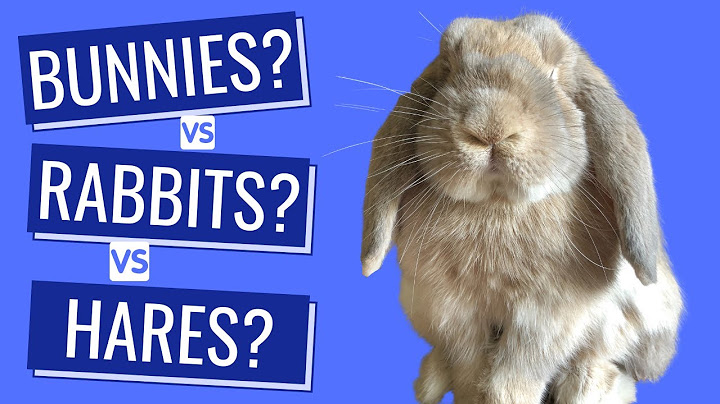
Rabbit and bunny usually describe the same animal. Rabbit is the standard everyday and scientific common name; bunny is an affectionate, informal term. Although people often use bunny for babies, a grown pet rabbit may be called a bunny too. The more precise word for a baby rabbit is kit, while hare refers to a different animal group.
What does “rabbit” mean?
Rabbit is the general English word used in wildlife guides, veterinary advice, and most formal writing. It describes members of particular lagomorph groups, including domestic rabbits and many wild species. A rabbit may be young or old, small or large. Using rabbit in an informational article is helpful when a reader needs accurate care or identification rather than a playful nickname. The word itself does not tell you whether the animal lives indoors, outside, or in the wild.
Why people say “bunny”
Bunny is widely used in conversation, children's books, product descriptions, and pet names. People may say 'my bunny' about a ten-year-old rabbit, so the word does not establish age. It can carry a warm or informal tone but is not a separate species. A search query such as 'what do bunnies eat?' typically refers to rabbit feeding, not a distinct diet. Good articles can acknowledge both words while using accurate terms when age or species matters.
Baby rabbits, kits, and kittens
A young rabbit is a kit; kitten is another word that can appear in reference material. A group of kits born together is a litter. A female rabbit is a doe and a male is a buck. These terms are helpful when reading about pregnancy or neonatal development. Calling a kit a bunny is not wrong in everyday speech, but in medical or wildlife contexts the more precise wording reduces confusion. Baby feeding and weaning decisions are different from adult rabbit care.
Rabbit, hare, and cottontail are not synonyms
Hares and rabbits are related lagomorphs but differ in biology and behavior. North American cottontails are wild rabbits, not domestic pet breeds that happen to live outdoors. Domestic rabbits descend from the European rabbit. A jackrabbit is actually a hare despite the word 'rabbit' in the name. These distinctions matter if you find an animal outside: treating a wild kit like a lost pet can lead to inappropriate feeding or handling.
Which term should you use?
Use rabbit when writing practical care instructions, discussing species, or labeling veterinary information. Bunny is fine in casual conversation and friendly headings when the intended meaning is clear. Use kit when age-specific safety details matter and hare when describing a hare. Neither rabbit nor bunny implies rodent classification: rabbits are lagomorphs. The important distinction is the animal's needs, not how cute the word sounds.
Key takeaway
Use the word that fits the conversation, then use more precise terms where animal welfare matters. Kit, hare, wild cottontail, and domestic rabbit do not mean the same thing.
Frequently asked questions
Is a bunny a baby rabbit?
It can refer to one, but people also use bunny for adult rabbits.
What is the proper word for a baby rabbit?
Kit is the precise term; kitten is also used in some contexts.
Are rabbit and bunny different breeds?
No. Bunny is an informal name, not a breed.
Is a jackrabbit a rabbit?
Despite its common name, a jackrabbit is a hare.
Should pet-care advice use rabbit or bunny?
Either can be understood, but rabbit is clearer in formal animal-care guidance.