Rabbit Water Bottle or Bowl: Which Is Better?
Compare rabbit water bottles and heavy bowls, clean them safely, check bottle flow and keep fresh drinking water available at all times.
Rabbit Water Bottle or Bowl: Which Is Better?
For most pet rabbits, a sturdy heavy ceramic water bowl is a practical first choice, while a well-maintained water bottle can serve as a backup or as an additional drinking option. Rabbits must have access to clean, fresh water at all times. The important question is not which container looks tidier; it is whether each rabbit can drink easily, whether the water stays available and whether the owner checks the supply every day.
The RSPCA notes that rabbits tend to prefer heavy ceramic bowls but can also use drip-feed bottles. Bottles require extra attention because the nozzle may clog or stop delivering water even when the reservoir still looks full. Some rabbits are used to only one method, so introduce an alternative gradually and watch to make sure they really drink from it.
Rabbit water bottle versus bowl: the key differences
A bowl provides open access: the rabbit can drink in a natural position without manipulating a ball-tip nozzle. The tradeoff is that it can collect hay and litter or be tipped over if too light. Heavy ceramic or securely mounted designs reduce some of those problems. A bottle takes up less floor area and may stay cleaner from kicked bedding, but it can leak, jam, be mounted too high or deliver too little water for a thirsty rabbit.
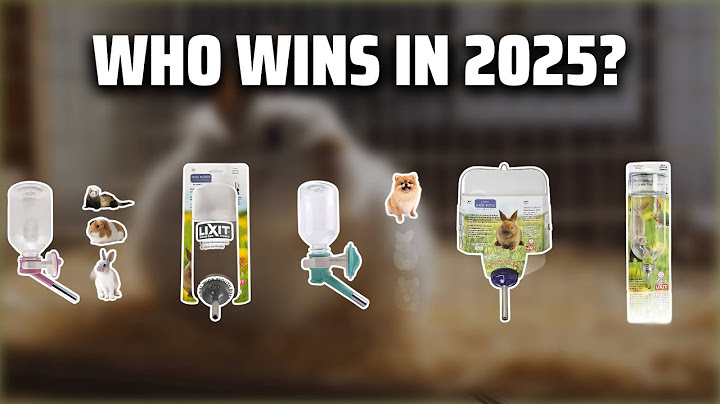
Neither container is maintenance-free. In practice, a reliable primary bowl plus a checked backup bottle or second bowl can offer some redundancy, especially in a multi-rabbit home. If the rabbit has a dental, neck or mobility problem, ask a rabbit-experienced veterinarian which placement is appropriate rather than assuming that either choice fits every animal.
Why many welfare groups favor a heavy bowl
Open bowls let rabbits lap water without reaching upward or repeatedly pushing a metal ball. A wide, stable bowl is easy to observe when refilling, and you can notice spilled water or debris before it becomes a bigger problem. Choose a heavy vessel with a smooth edge, stable base and enough capacity for the rabbits sharing it.
Place it where feet are steady and the surrounding floor can be wiped dry. Avoid a bowl directly under a hay rack that drops debris into the water or beside a litter tray where splashes may contaminate it. If a rabbit enjoys flipping lightweight dishes, try a heavier ceramic design rather than withholding a bowl. The goal is dependable access, not training the rabbit to drink less.
When a bottle can be useful
A bottle may be useful as a supplementary water source if it is mounted at a comfortable height, the nozzle is familiar and water flows freely. Some travel arrangements or veterinary recommendations may call for a specific container, but owners should confirm the rabbit is actually able and willing to use it. A full bottle tells you little if the drinking tip is blocked.
Test bottle flow every day. Touch or move the ball-tip so water emerges, check the bottle is seated tightly and look for drips that empty the reservoir unnoticed. Clean the spout as well as the reservoir according to the manufacturer, then recheck flow after reassembly. If a rabbit normally drinks from a bowl, don't switch to a bottle as its only source during a move or absence without observing successful drinking first.
Placement for a bonded pair or larger group
Two rabbits can share drinking stations, but one may block a bowl or prefer a different corner. Provide additional sources when there is competition, when one rabbit has limited movement or when the enclosure has several resting zones. The containers must be easy to find without crossing a frightening open area or climbing into a raised shelter.
Keep primary drinking areas away from wires and unstable furniture. A ceramic bowl should not be balanced on a shelf that can be knocked down. For the surrounding layout, the indoor rabbit habitat checklist explains where water belongs relative to hideouts, hay, litter and open space. A hutch can contain a resting area, but it should not trap the only drinker behind a narrow entrance; see our indoor rabbit hutch guide for shelter access.
A daily water routine that prevents surprises
Refreshing and inspecting water needs to become part of feeding and cleaning, not an occasional task. The RSPCA advises changing water twice a day and cleaning containers every day. With a bowl, remove debris, rinse or wash it appropriately and dry the surrounding floor. With a bottle, clean the drinking tip and look for green film, mineral deposits or a sticky ball mechanism.
On warm days, check the supply more frequently and keep containers away from direct sun. When traveling with a rabbit, make sure the carrier or temporary accommodation uses a water method the rabbit recognizes and can reach. Never presume that a larger reservoir eliminates the need for checking the actual level and delivery.
What drinking behavior can tell you
Know what is normal for your particular rabbit. Eating plenty of fresh greens, a change in hay intake, hot weather and individual preference can all influence how much water a rabbit appears to use. Keep an eye on appetite, droppings, activity and urination alongside drinking; the amount left in a bowl is not a complete diagnostic test.
If a rabbit suddenly drinks much more or far less than usual, cannot reach its container, looks weak or has markedly reduced appetite or droppings, seek advice promptly from a rabbit-experienced veterinarian. A rabbit that stops eating or stops producing droppings can develop a serious emergency. Do not try to diagnose dehydration or gastrointestinal disease from container choice or treat these signs by changing bottles alone.
Shopping checklist: prioritize function over branding
Before buying, ask practical questions:
Can each rabbit drink without stretching its neck or standing awkwardly?
Is the bowl heavy enough to resist tipping, with a smooth easy-to-clean rim?
If using a bottle, can you test water delivery in seconds and remove its spout for cleaning?
Are the materials sturdy, with no loose plastic pieces or sharp brackets accessible to chewing?
Is the container easy to refill and check without moving every piece of furniture?
Do you have a second clean water source in case the primary container leaks or gets dirty?
These checks are more informative than a generic "best rabbit water bottle" ranking when no product has been independently tested. Choose a straightforward design that your rabbits actually use, then verify the setup in everyday conditions.
Frequently asked questions
Do rabbits drink more from bowls than bottles?
Many rabbits find bowls easier, and welfare guidance often favors heavy ceramic bowls. Individual behavior varies, so observe actual drinking rather than assuming a bottle is adequate because water remains in it.
Can a rabbit use both a bowl and a water bottle?
Yes. An accessible bowl and a properly functioning bottle can provide two options, provided both stay clean and the rabbit knows how to use them. Neither should be neglected because the other is present.
How often should I clean a rabbit's water bottle?
Clean water containers every day and refresh water frequently. Check a bottle's spout and ball mechanism daily, including immediately after washing and refilling, to ensure it still releases water.
Is a plastic bowl safe for a rabbit?
Some designs may be usable, but lightweight plastic tips more easily and can become damaged by chewing. A smooth heavy ceramic bowl is a common practical choice, with regular inspection for chips and cleanliness.
Why does my rabbit suddenly drink less?
A blocked bottle, dirty bowl or change in routine can be involved, but reduced drinking may also accompany illness. Check that water flows and contact a rabbit-savvy veterinarian if the change is marked, especially with poor appetite or fewer droppings.